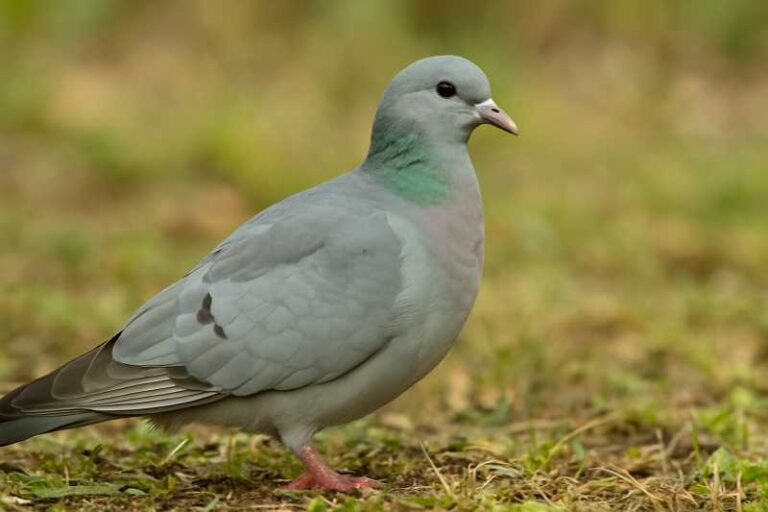
The Inaccessible Island Finch: A Jewel of the South Atlantic
The Inaccessible Island Finch (Nesospiza acunhae) is a remarkable bird species residing in the remote and largely untouched wilderness of Inaccessible Island, a small volcanic island in the South Atlantic Ocean. This bird is not only a symbol of the island’s pristine ecosystem but also an example of nature’s resilience and adaptability in isolated environments. The Inaccessible Island Finch is a member of the Thraupidae family, which is more commonly associated with tanagers. This article delves into the fascinating aspects of this rare bird, its habitat, behavior, and the conservation efforts aimed at preserving its existence.
The Unique Habitat of Inaccessible Island
Inaccessible Island forms part of the Tristan da Cunha archipelago, which lies approximately halfway between South America and Africa. The island is aptly named due to its steep, rugged terrain and the rough seas that surround it, making human access challenging. This isolation has allowed the island to maintain a unique and diverse ecosystem, free from the disturbances that often accompany human habitation.
The island’s environment is characterized by steep cliffs, rocky shores, and lush vegetation, providing an ideal habitat for the Inaccessible Island Finch. The finch thrives in the island’s dense fern-bush and grassland areas, where it can find ample food and nesting sites. The island’s remote location and harsh conditions have helped preserve its natural state, making it a crucial sanctuary for many endemic species, including the Inaccessible Island Finch.
Physical Characteristics and Behavior
The Inaccessible Island Finch is a small bird, measuring approximately 14 centimeters in length, with a wingspan of about 22 centimeters. It exhibits sexual dimorphism, with males typically displaying a dull olive-green color, while females are more brownish with streaks. This coloration provides excellent camouflage against the island’s vegetation, helping the finches avoid predators.
In terms of behavior, the Inaccessible Island Finch is known for its adaptability and resourcefulness. It primarily feeds on seeds, berries, and insects, which are abundant in its habitat. Its strong, conical beak is well-suited for cracking open seeds, a crucial adaptation for survival in an environment where food sources can be scarce.
The finches are social birds, often seen foraging in small groups. During the breeding season, which occurs between November and February, they become more territorial. Males are known to sing complex songs to attract females and establish their territory. Nesting typically occurs in dense vegetation, where the female builds a cup-shaped nest and lays a clutch of two to three eggs.
Evolutionary Significance
The Inaccessible Island Finch provides a fascinating case study in evolution and adaptation. Its existence on a remote island, isolated from other populations, has allowed it to evolve unique traits suited to its environment. This phenomenon is a prime example of allopatric speciation, where species diverge due to geographical barriers.
The finch’s evolutionary journey is also a testament to the theories of natural selection proposed by Charles Darwin. Similar to the more famous Darwin’s finches of the Galápagos Islands, the Inaccessible Island Finch has adapted its beak size and shape to exploit the available food resources. These adaptations highlight the incredible ways in which life can evolve in response to environmental pressures.
Conservation Efforts
As with many island species, the Inaccessible Island Finch faces challenges that threaten its continued survival. The primary threat comes from the potential introduction of invasive species, which could disrupt the delicate balance of the island’s ecosystem. Additionally, climate change poses a significant risk, as it can alter the island’s habitat and food availability.
Conservation efforts are crucial to ensuring the survival of the Inaccessible Island Finch. The island is part of the Tristan da Cunha UNESCO World Heritage site, providing it with some level of protection. However, ongoing monitoring and research are essential to understand the finch’s population dynamics and habitat requirements.
Organizations such as the Royal Society for the Protection of Birds (RSPB) are actively involved in conservation projects on the island. These efforts focus on preventing the introduction of invasive species, promoting sustainable tourism, and conducting scientific research to inform conservation strategies.
The Future of the Inaccessible Island Finch
The future of the Inaccessible Island Finch depends on continued conservation efforts and a global commitment to preserving biodiversity. The finch serves as a reminder of the delicate balance that exists in isolated ecosystems and the impact humans can have on these fragile environments. By protecting the Inaccessible Island and its unique inhabitants, we not only preserve a piece of natural history but also contribute to the broader goal of maintaining biodiversity on our planet.
In conclusion, the Inaccessible Island Finch is a symbol of resilience and adaptation in the face of environmental challenges. Its survival is a testament to the importance of conservation and the need to protect our planet’s most vulnerable species.
Related posts