Introduction
The Reunion Olive White-eye, scientifically known as Zosterops olivaceus, is a captivating bird species endemic to Réunion Island, a French overseas territory located in the Indian Ocean. This small passerine bird is a member of the Zosteropidae family, commonly referred to as white-eyes, which are renowned for their distinctive eye-ring markings. The Reunion Olive White-eye is a significant part of Réunion’s unique biodiversity and plays a crucial role in the island’s ecological dynamics. This article delves into the characteristics, habitat, behavior, and conservation status of this remarkable bird.
Physical Characteristics
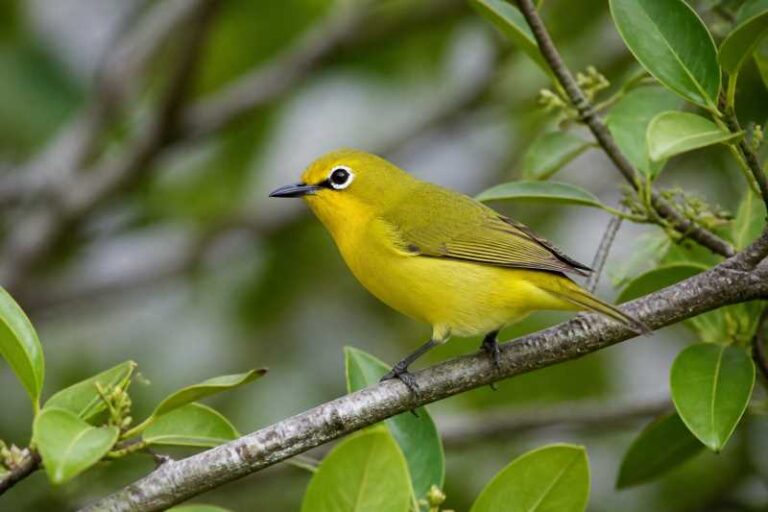
The Reunion Olive White-eye is a small bird, typically measuring around 10-12 cm in length. Its plumage is predominantly olive-green, which provides excellent camouflage against the lush foliage of its habitat. The species is named for the conspicuous white ring around its eyes, a common trait among white-eyes that gives them their name. The underparts are usually of a lighter olive tone, and the bird possesses a short, slightly curved bill adapted for its feeding habits.
Male and female Reunion Olive White-eyes are similar in appearance, making it challenging to differentiate between genders visually. Juveniles are also similar but may have slightly duller plumage compared to adults. The bird’s vocalizations are characterized by a series of high-pitched, melodious calls, which play a role in communication and territory defense.
Habitat and Distribution
The Reunion Olive White-eye is exclusive to Réunion Island, where it inhabits a variety of forested environments ranging from lowland to montane forests. It is particularly associated with the island’s lush, subtropical and tropical moist broadleaf forests. These birds are highly adaptable and can be found at varying elevations, from sea level up to 2,000 meters in the mountains.
The species’ adaptability to different forest types is crucial for its survival, especially in the face of habitat modification. However, its dependency on forested areas makes it vulnerable to deforestation and habitat degradation, which are significant threats on the island.
Behavior and Diet
Reunion Olive White-eyes are social birds that are often observed in small flocks. They exhibit a range of foraging behaviors, primarily feeding on insects, fruits, and nectar. This diet not only provides essential nutrients but also plays an important role in seed dispersal and pollination within their ecosystem.
Their foraging strategy involves gleaning insects from foliage and probing flowers for nectar. They are known to be active feeders, moving quickly through the forest canopy. This behavior is both a survival mechanism and a way to maintain their energetic lifestyle.
Reproduction and Life Cycle
The breeding season for Reunion Olive White-eyes typically occurs during the austral summer, from October to March. During this time, pairs engage in courtship displays and build small, cup-shaped nests in trees or shrubs. The nests are constructed using a variety of materials, including plant fibers, moss, and lichens, which are bound together with spider silk.
Females lay a clutch of two to four eggs, which are incubated for about two weeks. Both parents are involved in feeding and caring for the chicks, which fledge approximately two weeks after hatching. The parental investment is high, as the survival of the offspring is crucial for the continuation of the species.
Conservation Status
The Reunion Olive White-eye is currently classified as “Least Concern” by the International Union for Conservation of Nature (IUCN). However, this status belies the challenges faced by the species. Habitat loss due to agricultural expansion, urban development, and invasive species poses a continuous threat to their population.
Conservation efforts are focused on preserving the natural habitats of Réunion Island through the establishment of protected areas and the implementation of habitat restoration projects. Public awareness campaigns and research initiatives are also vital in ensuring the long-term survival of this species.
Role in the Ecosystem
As both insectivores and frugivores, Reunion Olive White-eyes play a significant role in controlling insect populations and facilitating seed dispersal. Their feeding habits contribute to the health and regeneration of forest ecosystems. Additionally, their role as pollinators helps maintain the diversity and resilience of plant communities on the island.
Conclusion
The Reunion Olive White-eye is a small yet vital component of Réunion Island’s rich biodiversity. Its adaptability and ecological roles underscore the importance of conserving its habitat for future generations. While currently not at immediate risk of extinction, ongoing conservation efforts are essential to mitigate the threats posed by human activities and environmental changes. By understanding and protecting this species, we contribute to the preservation of Réunion’s natural heritage and ecological balance.
Related posts