Discovering the Iquitos Gnatcatcher: A Rare Avian Marvel
In the heart of the Peruvian Amazon, where the lush tropical rainforest thrives with an astonishing array of biodiversity, resides one of the world’s most elusive bird species: the Iquitos Gnatcatcher (Polioptila clementsi). This small, yet captivating bird is a symbol of both the beauty and fragility of the natural world, embodying the urgent need for conservation efforts in some of the planet’s most biodiverse areas.
A Glimpse into the Iquitos Gnatcatcher’s World
First described in 2005, the Iquitos Gnatcatcher is a relatively recent addition to ornithological records. It was named after its initial discovery near the city of Iquitos, the largest city in the world that is inaccessible by road. The bird is a member of the Polioptilidae family, which includes small insectivorous birds commonly referred to as gnatcatchers due to their diet primarily consisting of insects and small arthropods.
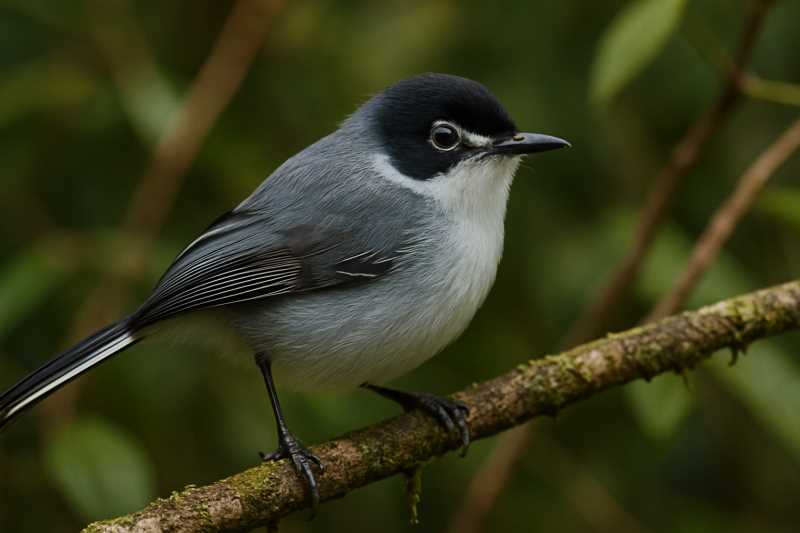
The Iquitos Gnatcatcher is characterized by its delicate appearance. Measuring approximately 11 centimeters in length, it possesses a slender build, with a long tail and a narrow, pointed beak adapted for picking insects off foliage. Its plumage is a subtle blend of gray and white, with a distinctive black cap that makes identification possible for those lucky enough to spot it.
Habitat and Distribution
The Iquitos Gnatcatcher is endemic to the white-sand forests of the Allpahuayo-Mishana National Reserve, a unique ecosystem within the Amazon Basin. These forests, characterized by sandy soils and a distinct composition of flora, are home to a number of rare and specialized species. The bird’s limited distribution is a major factor contributing to its vulnerability.
The white-sand forests are not only rare but also highly threatened by human activities such as deforestation, agricultural expansion, and infrastructure development. As these ecosystems are destroyed or degraded, the habitat available for the Iquitos Gnatcatcher and many other species becomes increasingly fragmented and reduced, putting their survival at risk.
Conservation Status and Challenges
The Iquitos Gnatcatcher is currently classified as Critically Endangered on the IUCN Red List of Threatened Species. This designation is due to its extremely limited range, small population size, and ongoing threats to its habitat. It is estimated that fewer than 250 mature individuals remain in the wild, making its conservation a high priority for researchers and environmentalists.
One of the primary challenges in conserving the Iquitos Gnatcatcher is the lack of comprehensive data on its population dynamics and ecological requirements. Because of its elusive nature and the dense habitat it occupies, conducting thorough field studies is both logistically challenging and resource-intensive.
Efforts and Strategies for Conservation
Conservation efforts for the Iquitos Gnatcatcher are centered around habitat protection and management. Organizations such as the Peruvian conservation group CEDIA (Centro para el Desarrollo del Indígena Amazónico) have been actively working to secure the legal protection of the bird’s habitat within the Allpahuayo-Mishana National Reserve. Establishing protected areas and promoting sustainable land-use practices are crucial strategies to prevent further habitat loss.
Furthermore, raising awareness about the Iquitos Gnatcatcher and its plight is essential in garnering support from both local communities and the international community. Environmental education programs, community engagement, and ecotourism initiatives are being implemented to highlight the importance of preserving the unique white-sand forests and their inhabitants.
The Role of Research and Collaboration
Ongoing research efforts are vital for the conservation of the Iquitos Gnatcatcher. Scientists are working to gather more detailed information on the species’ breeding habits, feeding ecology, and population trends. Such data is crucial in formulating effective conservation strategies and monitoring the success of implemented measures.
Collaboration between governmental agencies, non-governmental organizations, and local communities is also key to the bird’s survival. By working together, these stakeholders can create and enforce policies that balance human development with the preservation of critical habitats.
A Call to Action
The Iquitos Gnatcatcher serves as a poignant reminder of the urgent need to protect our planet’s biodiversity. As we face global environmental challenges such as climate change and habitat destruction, the conservation of species like the Iquitos Gnatcatcher becomes an ethical imperative.
To ensure the survival of this remarkable bird, concerted efforts must be made to safeguard its habitat, advance scientific research, and foster a culture of conservation among local and global communities. By doing so, we not only preserve the Iquitos Gnatcatcher but also contribute to the broader goal of maintaining the rich tapestry of life that sustains us all.
In conclusion, the Iquitos Gnatcatcher is more than just a bird; it is a symbol of hope, resilience, and the profound interconnectedness of nature. Protecting it is a testament to our commitment to safeguarding the natural world for future generations.
Related posts