Introduction
The Mount Gargues Pipistrelle (Pipistrellus aero) is a small, elusive bat species that captivates researchers and nature enthusiasts alike. Known for its agile flight and distinct echolocation abilities, this species plays a crucial role in maintaining the ecological balance of its habitat. As one of the lesser-known members of the Pipistrellus genus, the Mount Gargues Pipistrelle is a fascinating subject of study due to its unique adaptations and behaviors.
Physical Description
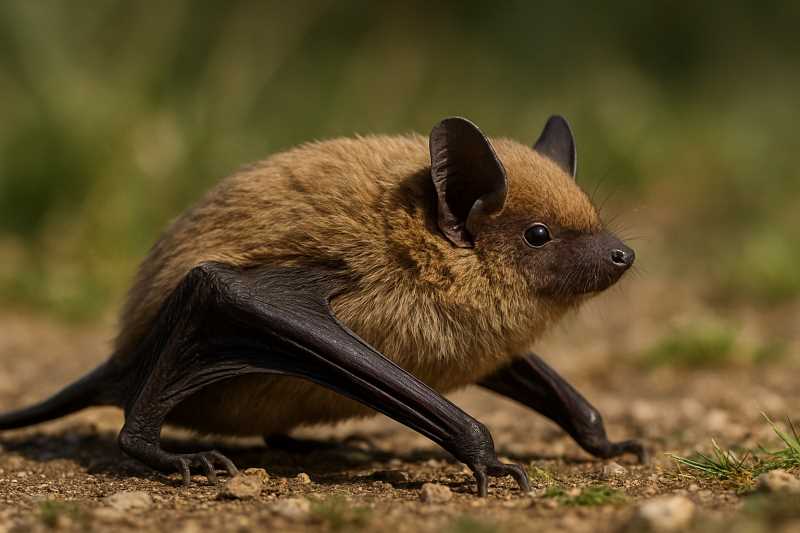
The Mount Gargues Pipistrelle is a small bat, typically measuring between 35 to 45 millimeters in body length, with a wingspan ranging from 220 to 250 millimeters. Its fur is typically a dark brown to black, providing excellent camouflage against the bark of trees and rocky crevices where it resides. The bat’s face is characterized by a short, broad snout and rounded ears, setting it apart from other pipistrelles. Its wings are narrow and pointed, allowing for swift, agile movements in the air.
The species displays sexual dimorphism, with females generally being slightly larger than males. The dental formula of the Mount Gargues Pipistrelle is typical of the Pipistrellus genus, equipped with sharp canine teeth essential for capturing insect prey.
Range and Habitat
The Mount Gargues Pipistrelle is endemic to the Mount Gargues region, a mountainous area characterized by dense forests and numerous caves. This bat prefers habitats that offer ample roosting sites, such as old-growth forests with abundant tree cavities and rocky outcrops. The elevation range for this species extends from 500 to 1,500 meters above sea level.
Seasonal changes influence the habitat preferences of the Mount Gargues Pipistrelle. During the warmer months, it is often found near water bodies where insect activity is high, while in colder months, it retreats to more sheltered areas to conserve energy.
Behavior and Diet
Primarily nocturnal, the Mount Gargues Pipistrelle emerges at dusk to embark on foraging flights. It relies heavily on echolocation to navigate and hunt in the dark. The bat emits high-frequency calls that bounce off objects, enabling it to detect and capture insects with remarkable precision.
Its diet consists predominantly of small flying insects, including moths, beetles, and mosquitoes. This dietary preference makes the Mount Gargues Pipistrelle an essential component of pest control in its ecosystem, as it helps regulate insect populations. During peak feeding periods, a single bat can consume up to 3,000 insects in one night.
Socially, the Mount Gargues Pipistrelle is known to form small colonies, especially during the breeding season. Mating typically occurs in late summer, with females giving birth to one or two pups in early spring.
Identification Tips (Field Recognition Cues)
Identifying the Mount Gargues Pipistrelle in the field requires keen observation and an understanding of its distinct characteristics:
- Size and Shape: Look for a small bat with a compact body and narrow wings, which are indicative of the Pipistrellus genus.
- Coloration: Dark brown to black fur is a key trait, providing camouflage among tree barks and rocky surfaces.
- Flight Pattern: Note the bat’s rapid, agile flight, often characterized by sudden turns and dives as it hunts for insects.
- Echolocation Calls: Using a bat detector can help identify this species by its specific echolocation frequency, which is typically in the range of 45 to 55 kHz.
- Habitat: Focus on areas near water bodies or forest edges during dusk and early night hours, where these bats are most active.
Conservation Status (With Threats and Protections)
The conservation status of the Mount Gargues Pipistrelle is currently classified as Near Threatened according to the IUCN Red List. Several factors contribute to this status, including habitat loss due to deforestation, disturbance from human activities, and climate change, which alters the availability of prey.
Conservation efforts are underway to protect this species, including habitat restoration projects and the establishment of protected areas within the Mount Gargues region. There is also ongoing research aimed at understanding the species’ ecology and population dynamics to inform conservation strategies.
Public awareness campaigns highlight the ecological importance of bats and promote practices that minimize human impact on their habitats. Bat-friendly initiatives, such as installing bat boxes and reducing pesticide use, are encouraged to support the survival of the Mount Gargues Pipistrelle.
Frequently Asked Questions
1. What is the primary diet of the Mount Gargues Pipistrelle?
The Mount Gargues Pipistrelle primarily feeds on small flying insects, such as moths, beetles, and mosquitoes. This diet makes it an important natural pest control agent in its ecosystem.
2. How does the Mount Gargues Pipistrelle use echolocation?
This bat species uses echolocation by emitting high-frequency calls that bounce off objects in its environment. These echoes help the bat navigate and locate prey in the dark.
3. What are the threats facing the Mount Gargues Pipistrelle?
Major threats include habitat loss due to deforestation, disturbance from human activities, and climate change. These factors impact the availability of roosting sites and prey.
4. How can one identify the Mount Gargues Pipistrelle in the wild?
Key identification tips include observing its small size, dark fur coloration, agile flight patterns, and specific echolocation frequency.
5. What conservation efforts are in place for the Mount Gargues Pipistrelle?
Conservation efforts include habitat restoration, protected area establishment, and public awareness campaigns to promote bat-friendly practices and reduce human impact.
Related posts