Introduction
The Southern Hairy-legged Myotis (Myotis keaysi) is a fascinating species of bat belonging to the family Vespertilionidae. Known for its unique adaptations and charming appearance, this bat species plays a crucial role in its ecosystem, primarily through insect control. Despite its ecological significance, the Southern Hairy-legged Myotis remains relatively understudied, with much of its behavior and ecological impact still shrouded in mystery. This article delves into the various aspects of the Southern Hairy-legged Myotis, from its physical characteristics to its habitat, behavior, and conservation status.
Physical Description
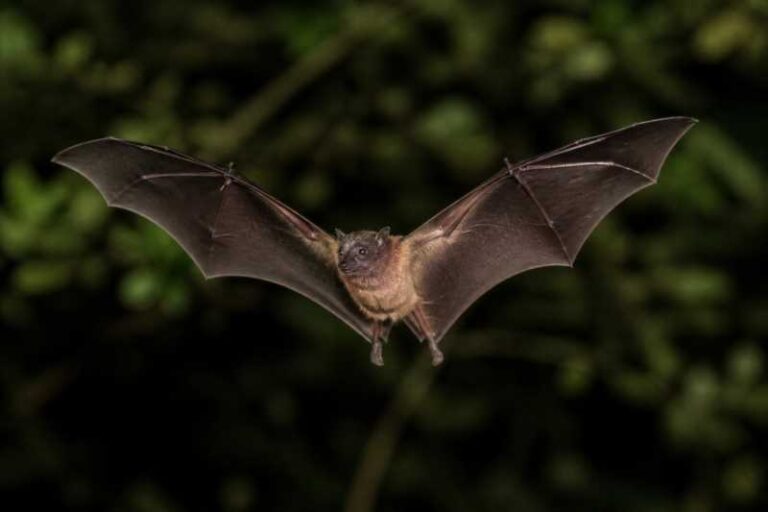
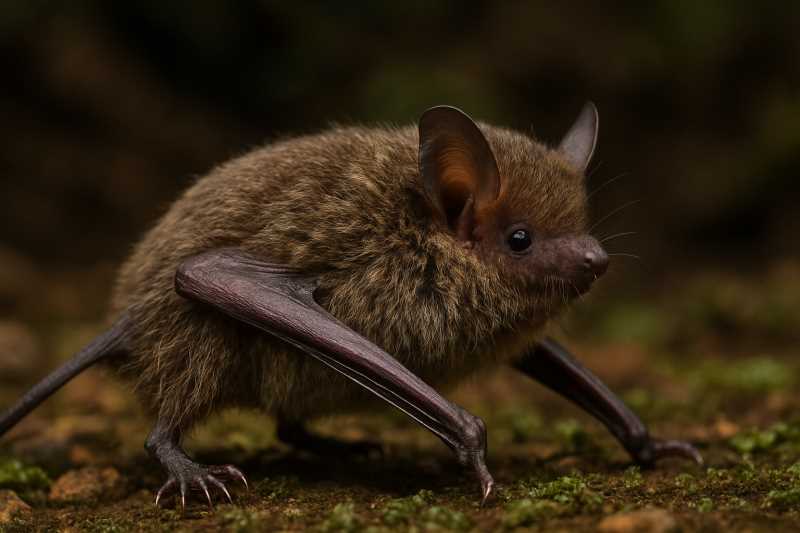
The Southern Hairy-legged Myotis is a small bat species, with an average body length ranging from 40 to 50 millimeters and a wingspan stretching between 30 to 35 centimeters. Weighing in at approximately 5 to 8 grams, this bat is characterized by its delicate frame and agile flight capabilities. As the name suggests, the Southern Hairy-legged Myotis is distinguished by the presence of fine hairs on its legs, a feature which sets it apart from other Myotis species.
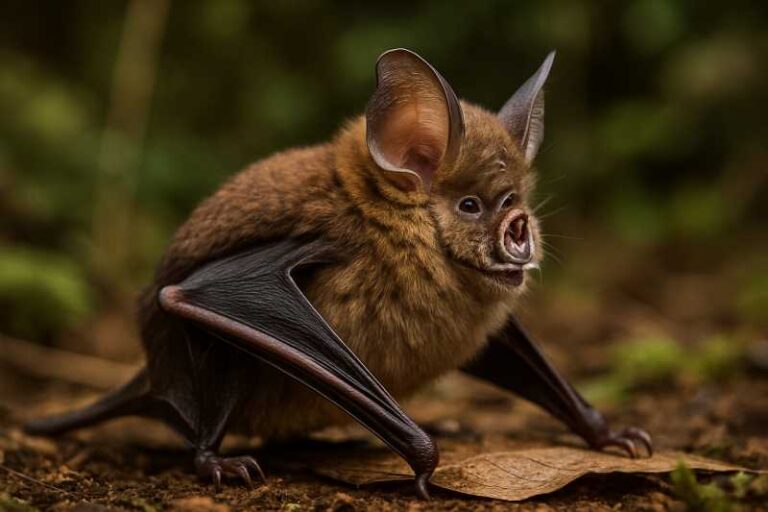
The fur of the Southern Hairy-legged Myotis is typically a shade of brown or gray, providing excellent camouflage against tree bark and cave walls. Its ears are relatively large, aiding in echolocation, which is crucial for navigation and hunting in the dark. The facial features of this bat are typical of the Myotis genus, with a short muzzle and a somewhat flattened face, giving it an endearing appearance.
Range and Habitat
The Southern Hairy-legged Myotis is predominantly found in Central and South America, with its range extending from southern Mexico through to parts of Peru, Brazil, and Bolivia. This species thrives in a variety of habitats, including tropical and subtropical forests, savannas, and even agricultural landscapes.
Roosting sites for the Southern Hairy-legged Myotis are diverse, ranging from tree cavities and under bark to human-made structures like buildings and bridges. This adaptability in roosting preferences allows the species to occupy a wide range of ecological niches, though it predominantly favors areas with abundant water sources as these regions tend to support higher insect populations.
Behavior and Diet
The Southern Hairy-legged Myotis is primarily nocturnal, emerging at dusk to begin its nightly foraging activities. Its diet consists mainly of insects, which it captures in flight using its highly developed echolocation abilities. This bat species plays a significant role in controlling insect populations, including agricultural pests, thereby contributing to ecological balance and benefiting human agriculture.
Socially, the Southern Hairy-legged Myotis is known to roost in small colonies. These colonies can be mixed in terms of sex during certain times of the year, particularly during mating season. Communication within these colonies is facilitated through a series of vocalizations, which also play a role in mating and coordination during group foraging.
Identification Tips
Field recognition of the Southern Hairy-legged Myotis can be challenging due to its small size and nocturnal habits. However, several features can assist in accurate identification:
- Hairy Legs: Look for the distinctive hairy legs, a feature that distinguishes it from other Myotis species.
- Echolocation Calls: Utilize bat detectors to recognize its specific echolocation frequency, which typically ranges between 35 to 45 kHz.
- Flight Pattern: Observe its flight, which is agile and maneuverable, often close to water surfaces or tree canopies.
- Roosting Sites: Check potential roosting sites like tree cavities or buildings where they might be found during the day.
Conservation Status
The Southern Hairy-legged Myotis is currently listed as Least Concern by the International Union for Conservation of Nature (IUCN). However, like many bat species, it faces several threats, including habitat destruction, pesticide use, and climate change.
Habitat loss due to deforestation and agricultural expansion is a significant threat, as it reduces the availability of suitable roosting and foraging sites. Pesticide use further compounds this problem by reducing insect populations, the primary food source for these bats. Climate change also poses a long-term threat, potentially altering the distribution of suitable habitats and impacting the availability of resources.
Conservation efforts focus on habitat protection and management, alongside research initiatives aimed at better understanding the species’ ecology and behavior. Public education campaigns are also crucial in changing perceptions about bats and promoting coexistence.
Frequently Asked Questions
1. What does the Southern Hairy-legged Myotis eat? The Southern Hairy-legged Myotis primarily feeds on insects, which it captures using echolocation. Its diet includes a variety of flying insects, contributing to pest control in its habitat.
2. Where can I find the Southern Hairy-legged Myotis? This bat species is found in Central and South America, particularly in tropical and subtropical regions. It inhabits forests, savannas, and areas near water sources.
3. How does the Southern Hairy-legged Myotis communicate? The Southern Hairy-legged Myotis communicates using vocalizations that serve various purposes, including echolocation for foraging and social interactions within colonies.
4. Why are bats important to the ecosystem? Bats like the Southern Hairy-legged Myotis are crucial for controlling insect populations, pollinating plants, and dispersing seeds, thus maintaining ecological balance.
5. How can I help in the conservation of bats? Conservation efforts can be supported by protecting natural habitats, reducing pesticide use, and participating in or donating to research and education initiatives focused on bat conservation.
Related posts