Introduction
The Bronze Tube-nosed Bat, scientifically known as Murina aenea, is a fascinating yet lesser-known species of bat that captivates enthusiasts and researchers alike. This species belongs to the Vespertilionidae family, which is characterized by its diverse members and wide distribution. The Bronze Tube-nosed Bat is notable for its unique physical traits and behaviors that play a crucial role in its ecosystem. As the name suggests, the bat is distinguished by its bronze hue and tubular nostrils, adaptations that aid in its ecological niche. In this comprehensive article, we delve into the various aspects of this intriguing mammal species, exploring its physical description, habitat, behavior, and conservation status.
Physical Description
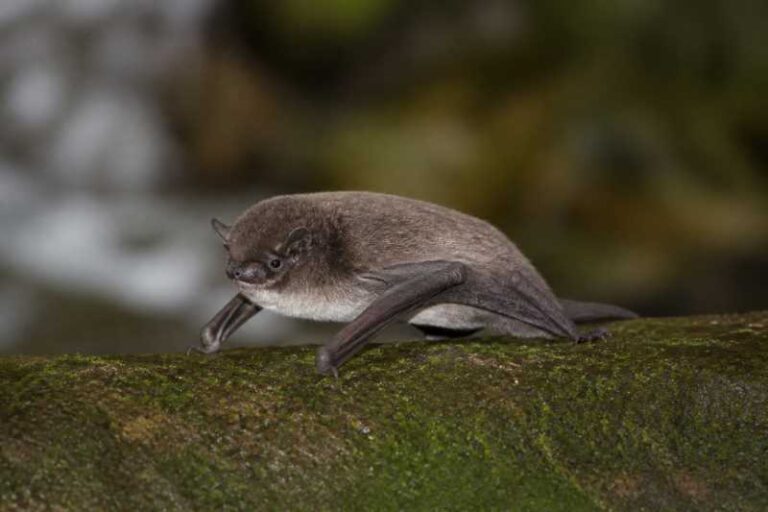
The Bronze Tube-nosed Bat is a small to medium-sized bat, with a distinctive appearance that makes it easily identifiable. The species derives its name from the bronze coloration of its fur, which provides excellent camouflage against the forest canopy and tree bark. The fur is dense and silky, providing insulation against varying temperatures.
One of the most striking features of the Bronze Tube-nosed Bat is its tubular nostrils, which are elongated and project outward. These nostrils are believed to play a role in the bat’s echolocation abilities, aiding in the detection of insects and navigation through dense foliage. The nostrils are also a defining trait that sets Murina aenea apart from other bat species.
The bat’s ears are relatively large and rounded, enhancing its ability to detect sound waves. The wings are adapted for agile flight, allowing the bat to maneuver swiftly through its forest habitat. The wingspan typically ranges from 25 to 30 centimeters, supporting its insectivorous lifestyle.
Range and Habitat
The Bronze Tube-nosed Bat is predominantly found in Southeast Asia, with its range extending across several countries, including Thailand, Malaysia, Indonesia, and the Philippines. It inhabits tropical and subtropical forests, where it thrives in the dense canopy layer. The preference for forested habitats is largely due to the abundance of insects, which form the primary component of its diet.
These bats are often found roosting in hollow trees, caves, and sometimes man-made structures that provide shelter and protection from predators. The selection of roosting sites is critical for maintaining the bat’s body temperature and facilitating successful reproduction.
Behavior and Diet
The Bronze Tube-nosed Bat is primarily nocturnal, engaging in foraging activities during the night. Its diet mainly consists of insects, including moths, beetles, and other small arthropods. The bat employs echolocation, emitting high-frequency sound waves that bounce off objects and prey, allowing it to navigate and hunt with precision.
Socially, these bats are known to form small colonies, although solitary roosting is also common. The social structure within colonies is not well-documented but is thought to involve complex communication through vocalizations and pheromones.
During the day, the bat rests in its roost, conserving energy for the night’s activities. The Bronze Tube-nosed Bat is adapted to its ecological niche, playing a vital role in controlling insect populations and contributing to the balance of its forest ecosystem.
Identification Tips (Field Recognition Cues)
Identifying the Bronze Tube-nosed Bat in the field requires keen observation of its unique characteristics. Key identification tips include:
- Bronze Fur: Look for the distinct bronze coloration of the fur, which is a signature trait of the species.
- Tubular Nostrils: The elongated nostrils are a clear indicator, setting it apart from other bats in its range.
- Echolocation Patterns: Listening to the bat’s echolocation calls can help identify it, as the frequency and pattern are unique.
- Roosting Behavior: Observing roosting sites, such as hollow trees or caves, can provide clues to the presence of the species.
Conservation Status (with Threats and Protections)
The Bronze Tube-nosed Bat is currently listed as a species of Least Concern on the IUCN Red List. However, like many forest-dependent species, it faces significant threats from habitat loss due to deforestation and land-use change. Agricultural expansion, logging, and urban development pose major risks to its habitat, leading to fragmentation and decreased roosting sites.
Protection for the Bronze Tube-nosed Bat includes establishing protected areas that conserve critical forest habitats. Conservation efforts also involve promoting sustainable land-use practices and raising awareness about the ecological importance of bats.
Research and monitoring are essential for understanding population trends and implementing effective conservation strategies. Collaborative efforts between governments, NGOs, and local communities are crucial in safeguarding the future of this remarkable species.
Frequently Asked Questions
What is the diet of the Bronze Tube-nosed Bat?
The Bronze Tube-nosed Bat primarily feeds on insects, including moths and beetles. It uses echolocation to detect and capture its prey.
How can I identify a Bronze Tube-nosed Bat in the wild?
Look for the bat’s bronze-colored fur and tubular nostrils. Its echolocation calls and roosting behavior are also key identification cues.
Where can the Bronze Tube-nosed Bat be found?
This bat species is found in Southeast Asia, including countries like Thailand, Malaysia, Indonesia, and the Philippines, inhabiting tropical and subtropical forests.
What are the threats facing the Bronze Tube-nosed Bat?
The main threats include habitat loss due to deforestation, agricultural expansion, and urban development, leading to habitat fragmentation.
Is the Bronze Tube-nosed Bat a protected species?
While it is not currently endangered, the Bronze Tube-nosed Bat benefits from conservation efforts focused on habitat protection and sustainable land-use practices.
Related posts