Introduction
The Sulawesi Slender Root Rat, scientifically known as Gracilimus radix, represents a fascinating species of rodent found on the Indonesian island of Sulawesi. This unique mammal, first described in 2016, has intrigued researchers due to its distinctive physical and behavioral characteristics. As a member of the family Muridae, the Sulawesi Slender Root Rat contributes to the biodiversity of the island’s complex ecosystems. Understanding this species is crucial for conservation efforts, as it provides insights into the evolutionary processes that take place on isolated islands like Sulawesi.
Physical Description
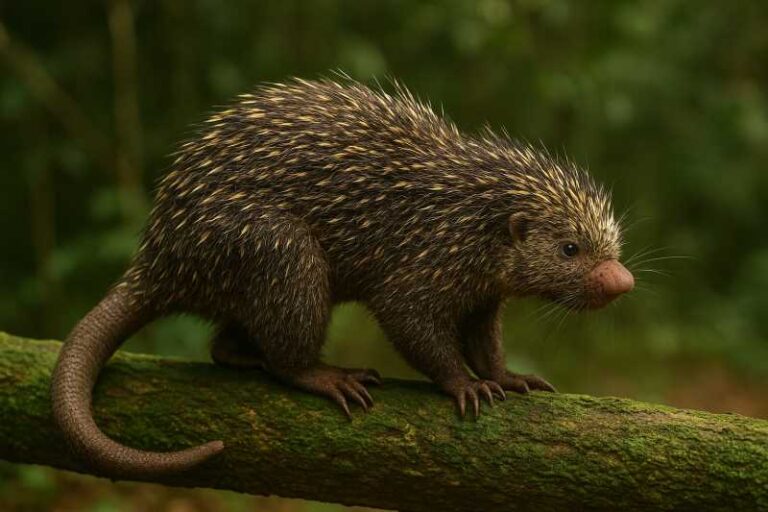
The Sulawesi Slender Root Rat exhibits a range of physical traits that distinguish it from other rodent species. It is relatively small, with a body size ranging from 12 to 15 cm, excluding the tail, which adds an additional 9 to 12 cm. Its slender build and elongated limbs facilitate agile movement through its forested habitat.
The fur of Gracilimus radix is soft and dense, featuring a grayish-brown coloration on the dorsal side, which provides effective camouflage against the forest floor. The ventral side is lighter, often appearing white or cream, which aids in deflecting heat from the sun. One of the most distinctive features of this rat is its elongated snout, which is well-adapted for foraging among roots and leaf litter.
The eyes of the Sulawesi Slender Root Rat are relatively large, suggesting a nocturnal lifestyle, while its ears are small and rounded. The tail, covered in sparse fur, serves as a balance aid when navigating through the complex undergrowth of its habitat.
Range and Habitat
The Sulawesi Slender Root Rat is endemic to Sulawesi, an island known for its unique and diverse wildlife. Within Sulawesi, this species inhabits tropical and subtropical forests, which are characterized by dense vegetation and a rich layer of leaf litter. These forests provide the necessary cover and food resources for the rat.
The rat’s range is largely confined to the central and northern regions of the island, where primary and secondary forests remain relatively undisturbed. These areas offer a stable climate and abundant food sources, crucial for the survival of this species. The preference for undisturbed habitats makes the Sulawesi Slender Root Rat particularly vulnerable to deforestation and habitat fragmentation.
Behavior and Diet
The Sulawesi Slender Root Rat is primarily nocturnal, spending the majority of its active hours under the cover of darkness. This behavior reduces predation risks and allows the rat to take advantage of cooler nighttime temperatures. During the day, it seeks shelter in burrows or dense undergrowth to avoid predators and extreme weather conditions.
The diet of the Sulawesi Slender Root Rat is omnivorous, consisting mainly of roots, tubers, fruits, and small invertebrates. The elongated snout and sensitive whiskers are vital tools for foraging, allowing the rat to detect food sources buried beneath the soil or hidden under leaf litter. This diet not only sustains the rat but also plays a role in the dispersal of seeds, contributing to the maintenance of its forest ecosystem.
Identification Tips
Field recognition of the Sulawesi Slender Root Rat can be challenging due to its elusive nature and the dense habitats it occupies. However, several key features can aid in identification:
- Slender Build: Look for a small, slender rodent with an elongated body, which differentiates it from other bulkier rat species.
- Coloration: Note the grayish-brown dorsal fur and the lighter ventral side, which help it blend into the forest floor.
- Tail Length: The tail is nearly as long as the body, aiding in balance and agility.
- Snout Shape: The elongated snout is a distinctive feature, ideal for foraging among roots.
- Behavior Patterns: Activity during nighttime and presence in forested areas can also be indicators of this species.
Conservation Status
As of now, the Sulawesi Slender Root Rat has not been evaluated by the International Union for Conservation of Nature (IUCN), which means its conservation status remains uncertain. However, given its restricted range and dependence on forest habitats, it is potentially vulnerable to several threats.
Threats:
- Deforestation: The primary threat is habitat loss due to logging and agricultural expansion, which reduces suitable living areas.
- Habitat Fragmentation: Fragmentation of forests can isolate populations, limiting genetic diversity and access to resources.
- Climate Change: Changes in weather patterns can alter the forest ecosystems, affecting food availability and habitat conditions.
Protections:
Efforts to conserve the Sulawesi Slender Root Rat are inherently tied to broader conservation strategies aimed at preserving Sulawesi’s forests. Protected areas and national parks offer some refuge, but effective enforcement and expansion of these areas are necessary.
Frequently Asked Questions
What is the Sulawesi Slender Root Rat?
The Sulawesi Slender Root Rat (Gracilimus radix) is a small rodent species native to the island of Sulawesi, Indonesia. It is known for its slender build and nocturnal habits.
Where can the Sulawesi Slender Root Rat be found?
This species is found in the tropical and subtropical forests of central and northern Sulawesi. It prefers undisturbed primary and secondary forests.
What does the Sulawesi Slender Root Rat eat?
The diet of the Sulawesi Slender Root Rat is omnivorous, mainly consisting of roots, tubers, fruits, and small invertebrates.
Why is the Sulawesi Slender Root Rat important?
As a seed disperser and part of the forest ecosystem, the Sulawesi Slender Root Rat plays a role in maintaining biodiversity and forest health.
How can we protect the Sulawesi Slender Root Rat?
Protecting this species involves conserving its forest habitat through the enforcement of protected areas and sustainable land use practices.
Related posts