Cazuza’s Saki: A Comprehensive Guide
Introduction
Cazuza’s Saki (Pithecia cazuzai) is a fascinating species of primate belonging to the Pitheciidae family. Discovered relatively recently, this species has garnered interest from researchers and wildlife enthusiasts alike due to its unique characteristics and the vital role it plays in its ecosystem. Named after the Brazilian biologist Cazuza, who made significant contributions to the study of Amazonian wildlife, Cazuza’s Saki is a testament to the rich biodiversity of the Amazon rainforest.
The discovery of Pithecia cazuzai underscores the vast unknown that still exists within our planet’s most biodiverse regions. In this article, we delve into the key aspects of this remarkable species, including its physical characteristics, habitat, behavior, and the challenges it faces in the wild.
Physical Description
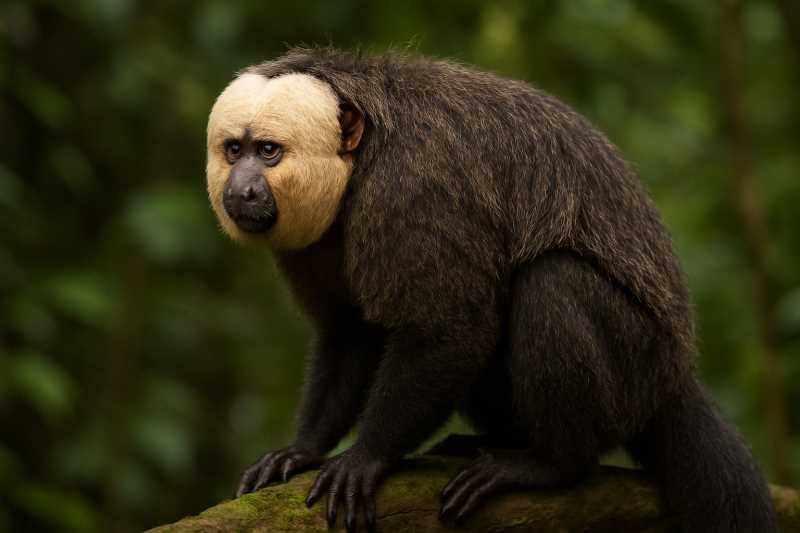
Cazuza’s Saki is a medium-sized primate, with males typically larger than females. Adult males can weigh up to 2.5 kg, while females generally weigh slightly less. The species is characterized by its dense and fluffy fur, which provides insulation and protection against the elements. The fur is predominantly black, with a distinctive white or pale face that gives the species a striking appearance.
One of the most notable features of Cazuza’s Saki is its bushy tail, which is not prehensile but serves as a crucial balancing tool when navigating the treetops. Their limbs are adapted for an arboreal lifestyle, with strong, grasping hands and feet that facilitate movement among branches.
The face of Cazuza’s Saki is relatively flat, with a wide mouth and expressive eyes that convey a range of emotions. Their dentition is specialized for their diet, featuring large incisors and robust molars that aid in the consumption of fruits and seeds.
Range and Habitat
Cazuza’s Saki is endemic to the Amazon rainforest, with its range primarily confined to the northern regions of Brazil. This species thrives in the dense, humid forests that characterize the Amazon Basin, particularly favoring areas with abundant fruiting trees.
Their habitat is typically characterized by a complex canopy structure that offers ample opportunities for foraging and shelter. These primates are predominantly arboreal, spending most of their lives in the trees and rarely descending to the forest floor. The rich biodiversity of their habitat supports a varied diet, which is crucial for their survival.
The Amazon rainforest’s shifting mosaic of ecosystems provides Cazuza’s Saki with the necessary resources to thrive, although habitat fragmentation poses significant challenges to their long-term survival.
Behavior and Diet
Cazuza’s Saki is a diurnal primate, meaning it is most active during the day. They are social animals, typically found in small family groups consisting of a dominant male, one or more females, and their offspring. These groups are territorial, often defending their home range from other saki groups through vocalizations and displays.
Their diet is primarily frugivorous, with a strong preference for ripe fruits. However, they are also known to consume seeds, leaves, and occasionally insects. The specialized dentition of Cazuza’s Saki allows them to crack open hard seeds and nuts, which are a crucial component of their diet, especially when fruit is scarce.
Foraging typically occurs in the morning and late afternoon, with rest periods during the hottest parts of the day. Social grooming is an essential activity within groups, strengthening bonds and helping to maintain the health of their fur.
Identification Tips (field recognition cues)
Identifying Cazuza’s Saki in the wild can be challenging due to their arboreal nature and the dense forest canopy. However, several key characteristics can aid in their identification:
- Fur Coloration: Look for their distinctive black fur with a contrasting white or pale face.
- Tail: Note the bushy, non-prehensile tail that aids in balance.
- Size and Shape: Cazuza’s Saki is medium-sized with a robust, muscular build.
- Vocalizations: Listen for their unique calls, which are often used for communication within groups.
- Behavior: Observe their social interactions and foraging behavior, typically in the upper canopy.
Conservation Status (with threats and protections)
Cazuza’s Saki is currently classified as a species of Least Concern by the International Union for Conservation of Nature (IUCN). However, like many species in the Amazon, they face several threats that could impact their long-term survival.
Threats
- Habitat Destruction: Deforestation for agriculture, logging, and infrastructure development is the primary threat to their habitat.
- Fragmentation: The division of continuous forest into isolated patches hampers their ability to find food and mates.
- Climate Change: Altered weather patterns may affect the availability of their food resources.
- Hunting: Although not a primary target, they can be affected by hunting pressures in some regions.
Protections
Efforts to conserve Cazuza’s Saki focus on habitat preservation and sustainable land use practices. Protected areas within their range, such as national parks and reserves, play a critical role in safeguarding their habitat. Additionally, community-based conservation initiatives that involve local populations in sustainable practices are vital.
Continued research and monitoring are essential to understand the ecological needs of Cazuza’s Saki and to develop effective conservation strategies.
Frequently Asked Questions
What is the primary diet of Cazuza’s Saki?
Cazuza’s Saki primarily feeds on fruits, but their diet also includes seeds, leaves, and insects. Their specialized teeth allow them to crack open hard seeds and nuts.
How do Cazuza’s Saki communicate?
Cazuza’s Saki uses a variety of vocalizations for communication within their social groups. These calls are used for territory defense, locating group members, and signaling alarm.
What threats do Cazuza’s Saki face?
The main threats include habitat destruction due to deforestation, forest fragmentation, climate change, and, to a lesser extent, hunting. Conservation efforts focus on habitat preservation.
How can I identify Cazuza’s Saki in the wild?
Look for their distinctive black fur with a pale face, bushy tail, and listen for their unique vocalizations. They are typically found in the upper canopy of dense Amazonian forests.
Related posts