Indonesian Tomb Bat (Taphozous achates): A Comprehensive Guide
Introduction
The Indonesian Tomb Bat (Taphozous achates) is a fascinating species of bat belonging to the family Emballonuridae. Found predominantly in the tropical regions of Indonesia, this unique mammal is part of a broader group known as "sheathtail bats" due to their distinctive tail structure. While not as widely recognized as some of their bat relatives, the Indonesian Tomb Bat plays a crucial role in its ecosystem, primarily through insect control. Understanding this species provides insight into the rich biodiversity of Indonesia and highlights the importance of conservation efforts in maintaining ecological balance.
Physical Description
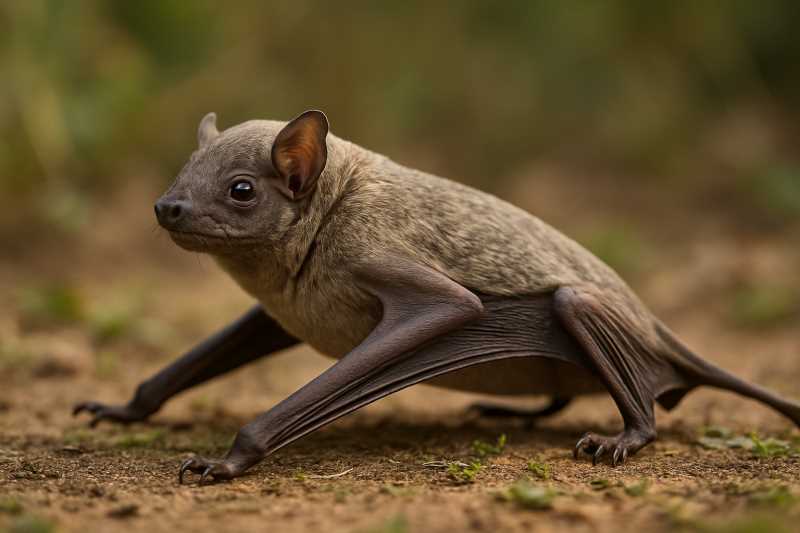
The Indonesian Tomb Bat is a medium-sized bat with a wingspan ranging between 30 to 35 centimeters. Its body length typically measures between 7 to 9 centimeters, and it weighs approximately 15 to 20 grams. The bat’s fur is generally a dark brown or grayish color, providing excellent camouflage against the rocky environments it often inhabits.
One of the most distinctive features of the Indonesian Tomb Bat is its tail, which protrudes slightly from the tail membrane, giving it the "sheathtail" appearance. The bat’s face is somewhat flattened, with large eyes and small, rounded ears that are well-adapted for echolocation.
The wings of the Indonesian Tomb Bat are long and narrow, designed for swift, agile flight. This wing structure allows the bat to navigate through dense forests and open spaces efficiently, making it an adept hunter of airborne insects.
Range and Habitat
The Indonesian Tomb Bat is primarily found in Indonesia, with its range extending across several islands, including Java, Sumatra, and Borneo. This species thrives in tropical and subtropical environments, often residing in caves, rock crevices, and abandoned buildings that offer protection from predators and harsh weather conditions.
Forested areas and open grasslands provide ideal hunting grounds for the Indonesian Tomb Bat, as these habitats support a diverse array of insect prey. The presence of water bodies like rivers and lakes also attracts the bats, as these areas are typically rich in insect life.
Behavior and Diet
The Indonesian Tomb Bat is primarily nocturnal, emerging from its roosts at dusk to begin its nightly hunt. These bats are highly social creatures, often forming colonies that can number in the hundreds. Within these colonies, bats communicate using a series of vocalizations and body movements to establish social hierarchies and coordinate hunting activities.
The diet of the Indonesian Tomb Bat consists mainly of insects, with a particular preference for moths, beetles, and mosquitoes. Utilizing echolocation, the bat emits high-frequency sounds that bounce off objects, allowing it to detect and capture prey with remarkable precision.
Additionally, Indonesian Tomb Bats play a vital role in controlling insect populations, making them integral to maintaining ecological balance in their habitats.
Identification Tips (Field Recognition Cues)
Identifying the Indonesian Tomb Bat in the field can be challenging due to its nocturnal habits and elusive nature. However, several key characteristics can aid in recognition:
- Tail Structure: Look for the distinctive tail that protrudes from the tail membrane, a hallmark of the "sheathtail" bats.
- Flight Pattern: Observe the bat’s swift, agile flight, which is characterized by rapid, erratic movements as it hunts for insects.
- Roosting Sites: Search for potential roosting sites such as caves, rock crevices, and abandoned structures where these bats are likely to congregate.
- Vocalizations: Listen for high-pitched echolocation calls, which can sometimes be heard by the human ear as faint clicks or chirps.
- Colony Behavior: Note the presence of large colonies, as Indonesian Tomb Bats are often found in groups rather than alone.
Conservation Status (with Threats and Protections)
The conservation status of the Indonesian Tomb Bat is currently listed as "Data Deficient" by the International Union for Conservation of Nature (IUCN). This designation highlights the need for more comprehensive research to determine the population size and trends for this species.
Threats
- Habitat Loss: Deforestation and land conversion for agriculture and urban development pose significant threats to the natural habitats of the Indonesian Tomb Bat.
- Pesticide Use: The widespread use of pesticides in agriculture can lead to a decline in insect populations, reducing the available food supply for these bats.
- Disturbance of Roosting Sites: Human activities, such as tourism and cave exploration, can disrupt roosting sites, causing stress and displacement of bat colonies.
Protections
Efforts to protect the Indonesian Tomb Bat include:
- Habitat Conservation: Initiatives to preserve forested areas and important roosting sites are crucial for maintaining healthy bat populations.
- Research and Monitoring: Conducting studies to gather data on population size, distribution, and ecology can help inform conservation strategies.
- Environmental Education: Raising awareness about the ecological role of bats and the importance of biodiversity conservation can foster public support for protection measures.
Frequently Asked Questions
1. What is the primary diet of the Indonesian Tomb Bat?
The Indonesian Tomb Bat primarily feeds on insects, including moths, beetles, and mosquitoes. Its agile flight and echolocation abilities make it an efficient predator of airborne insects.
2. Where can Indonesian Tomb Bats be found?
Indonesian Tomb Bats are found in Indonesia, particularly on the islands of Java, Sumatra, and Borneo. They inhabit tropical and subtropical environments, often roosting in caves, rock crevices, and abandoned buildings.
3. How do Indonesian Tomb Bats contribute to the ecosystem?
Indonesian Tomb Bats play a crucial role in controlling insect populations, which helps maintain ecological balance. Their feeding habits reduce the number of insects that can be pests to crops and spread diseases.
4. What are the main threats to the Indonesian Tomb Bat?
The main threats to the Indonesian Tomb Bat include habitat loss due to deforestation, pesticide use that reduces insect prey, and disturbances to their roosting sites.
5. How can we help conserve the Indonesian Tomb Bat?
Conservation efforts can include protecting their natural habitats, reducing pesticide use, and raising public awareness about the importance of bats in the ecosystem.
Related posts