Introduction
The Sierra Madre Forest Mouse (Apomys sierrae) is a fascinating species that dwells in the lush forests of the Sierra Madre mountain range in the Philippines. This small rodent, part of the diverse murid family, plays a crucial role in the ecosystem of its native habitat. Unfortunately, like many species endemic to this region, the Sierra Madre Forest Mouse faces numerous environmental challenges that threaten its survival. This comprehensive article explores the various aspects of this unique mammal, including its physical characteristics, habitat preferences, behavior, diet, identification tips, and conservation status.
Physical Description
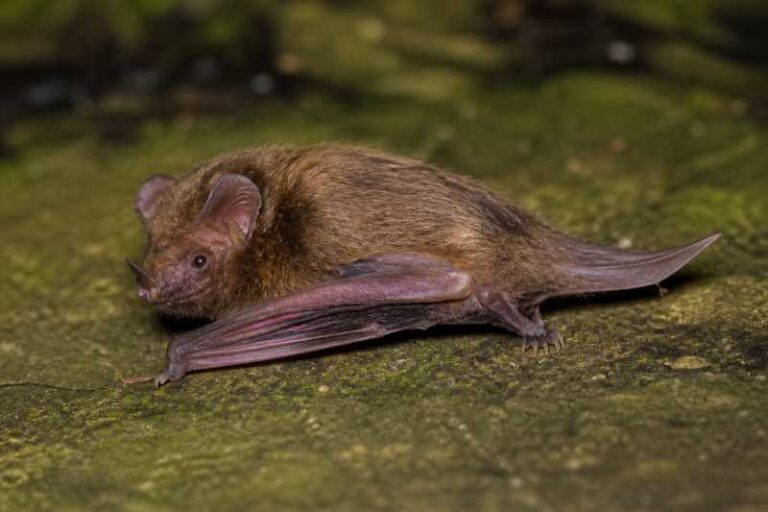
The Sierra Madre Forest Mouse is a small, nocturnal rodent characterized by its soft, dense fur, which provides insulation in the cooler mountainous climates. Adult mice typically measure between 10 to 12 centimeters in body length, with a tail that is slightly shorter than the body. The fur is predominantly a dark brown or grayish color, which helps it blend seamlessly into the forest floor. Its underbelly is lighter, often a pale gray or off-white. The ears are relatively large and rounded, an adaptation that enhances its hearing capabilities—crucial for detecting predators in the dense forest.
The mouse’s eyes are large and prominent, a feature that is advantageous for its nocturnal lifestyle. The whiskers are long and sensitive, aiding in navigation through the underbrush. Its paws are equipped with sharp claws, suitable for both digging and climbing, making it a versatile forager.
Range and Habitat
The Sierra Madre Forest Mouse is endemic to the Sierra Madre mountain range, which stretches across the northeastern part of Luzon Island in the Philippines. This region is known for its rich biodiversity and complex ecosystems, including montane and mossy forests. The mouse primarily inhabits elevations ranging from 400 meters to over 1,500 meters above sea level, where the environment is cooler and more humid.
These forests are characterized by thick vegetation, dense canopy cover, and a rich layer of leaf litter on the forest floor, providing ample cover and food sources for the Sierra Madre Forest Mouse. The diversity of plant and insect life in these areas supports a complex food web, in which the forest mouse plays a vital role.
Behavior and Diet
The Sierra Madre Forest Mouse is a nocturnal creature, most active during the night when it forages for food. Its diet is omnivorous, consisting of seeds, fruits, insects, and small invertebrates. This varied diet helps the mouse adapt to the seasonal availability of food in its habitat.
Socially, the Sierra Madre Forest Mouse is relatively solitary, although it may occasionally be found in small family groups. It communicates with conspecifics through a series of vocalizations and scent markings, which help establish territories and mating readiness. The mouse constructs simple burrows or nests made from leaves and other plant materials, which serve as protection from predators and harsh weather.
Identification Tips (Field Recognition Cues)
Identifying the Sierra Madre Forest Mouse in its natural habitat can be challenging due to its nocturnal habits and the dense forest environment. However, there are several field recognition cues that can aid in its identification:
- Size and Shape: Look for a small rodent with a body length of 10 to 12 centimeters and a slightly shorter tail.
- Fur Color: Its dark brown or grayish fur with a lighter underbelly is a key distinguishing feature.
- Behavior: Sightings are more likely at night, and the mouse may be observed foraging on the forest floor.
- Habitat: Focus searches in the montane and mossy forests of the Sierra Madre range at elevations above 400 meters.
Conservation Status (with Threats and Protections)
The Sierra Madre Forest Mouse is classified as vulnerable due to habitat loss and degradation. The primary threat to its survival is deforestation, driven by illegal logging, agricultural expansion, and mining activities. These practices lead to the fragmentation of its habitat, making it difficult for mouse populations to thrive and reproduce.
In response to these threats, several conservation measures have been implemented. Protected areas have been established within the Sierra Madre range to preserve critical habitats. Additionally, efforts to combat illegal logging and promote sustainable land-use practices are ongoing. Conservationists also emphasize the importance of community engagement and education to foster local stewardship of natural resources.
Frequently Asked Questions
What is the typical diet of the Sierra Madre Forest Mouse?
The Sierra Madre Forest Mouse has an omnivorous diet, consuming seeds, fruits, insects, and small invertebrates. This dietary flexibility allows it to adapt to the seasonal availability of different food sources.
How can I identify a Sierra Madre Forest Mouse in the wild?
Look for a small rodent with dark brown or grayish fur and a lighter underbelly, typically found in montane and mossy forests at elevations above 400 meters. It is most active at night.
What are the main threats to the Sierra Madre Forest Mouse?
The primary threats include habitat loss due to deforestation, illegal logging, agricultural expansion, and mining activities. These lead to habitat fragmentation and population decline.
Are there any conservation efforts in place for the Sierra Madre Forest Mouse?
Yes, protected areas have been established, and efforts to combat illegal logging and promote sustainable land-use practices are ongoing. Community engagement is also a key focus of conservation strategies.
Why is the Sierra Madre Forest Mouse important to the ecosystem?
As a forager, the mouse helps in seed dispersal and insect population control, contributing to the health and balance of its forest ecosystem.
Related posts