Introduction
The Canyon Deermouse (Peromyscus crinitus) is a small rodent species belonging to the family Cricetidae, commonly found in the arid regions of the United States. Known for its adaptability, the Canyon Deermouse thrives in a variety of habitats, from rocky canyons to semi-arid deserts. This species is an integral part of the ecosystem, contributing to seed dispersal and serving as prey for numerous predators. Despite its significance, the Canyon Deermouse is often overlooked, overshadowed by its more famous relatives like the White-footed Deermouse (Peromyscus leucopus). This article delves into the various aspects of the Canyon Deermouse, from its physical characteristics to its role in the environment.
Physical Description
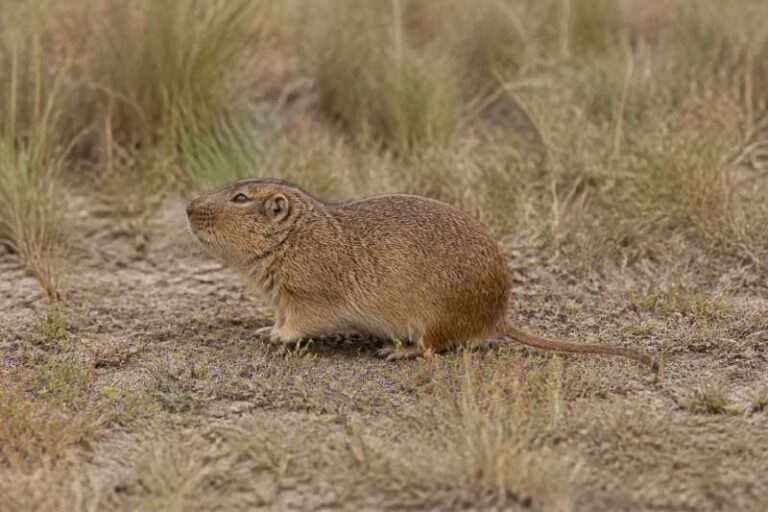
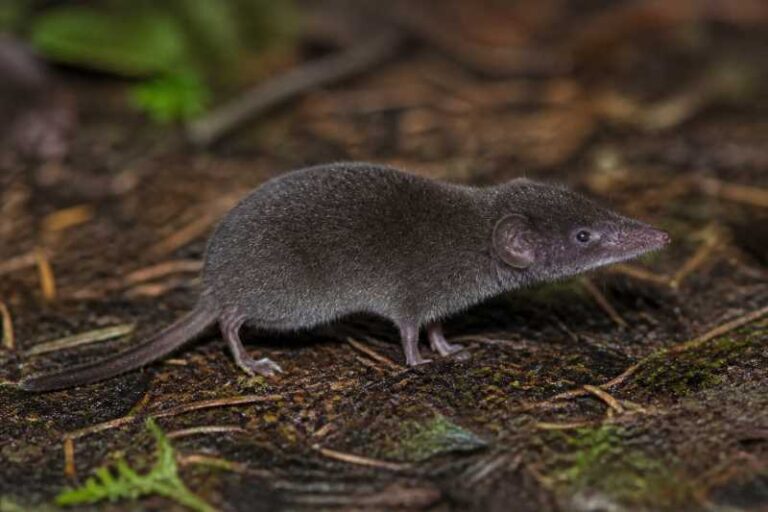
The Canyon Deermouse is a small mammal, typically measuring between 17 to 20 centimeters in total length, including its tail, which makes up almost half of its body length. It weighs approximately 15 to 30 grams, with males generally being slightly larger than females. The species is characterized by its grayish-brown fur, which provides excellent camouflage against the rocky and sandy terrains it inhabits. The fur is soft and dense, with a paler underside that aids in temperature regulation.
One of the distinguishing features of the Canyon Deermouse is its large, prominent eyes and ears, adaptations that enhance its nocturnal lifestyle. Its tail is sparsely haired and scaly, offering balance and agility when navigating through its rugged environment. The limbs are well-developed, with sharp claws that facilitate climbing and burrowing.
Range and Habitat
The Canyon Deermouse is primarily found in the southwestern United States, with a range extending through Arizona, Nevada, Utah, California, and parts of New Mexico. It prefers arid and semi-arid regions, including deserts, canyons, and rocky hillsides. This species is highly adaptable and can also be found in juniper woodlands and sagebrush areas.
The habitat of the Canyon Deermouse is characterized by sparse vegetation, dominated by shrubs and small trees. The species is known to occupy crevices and burrows in rocky areas, which provide protection from predators and harsh weather conditions. Its ability to thrive in such diverse habitats is a testament to its adaptability and resilience.
Behavior and Diet
The Canyon Deermouse is primarily nocturnal, with peak activity occurring during the night. This behavior helps it avoid the scorching daytime temperatures of its desert habitat. The species is solitary and territorial, with individuals marking their territory using scent glands.
The diet of the Canyon Deermouse is omnivorous, consisting mainly of seeds, insects, fruits, and plants. It plays a crucial role in seed dispersal, contributing to the growth and regeneration of vegetation in its habitat. The deermouse uses its keen sense of smell to locate food, and its dexterous forelimbs to gather and handle it.
Identification Tips
Identifying the Canyon Deermouse in the field can be challenging due to its similarity to other Peromyscus species. However, there are several cues that can aid in recognition:
- Size and Body Proportions: Look for a small rodent with a relatively long tail, making up about half of its total length.
- Fur Coloration: Note the grayish-brown color with a paler underside, which provides camouflage in rocky environments.
- Large Eyes and Ears: These features are prominent and aid in distinguishing it from other species.
- Habitat: Consider the location and environment, as the Canyon Deermouse is typically found in arid and semi-arid regions.
Conservation Status
The Canyon Deermouse is currently listed as a species of Least Concern by the International Union for Conservation of Nature (IUCN). This classification indicates that the species is widespread and abundant, with no immediate threats to its population.
However, like many wildlife species, the Canyon Deermouse faces potential threats from habitat destruction, climate change, and human activities. Urbanization and agricultural expansion can lead to habitat fragmentation, reducing the available space and resources for the species. Climate change poses a further threat by altering the availability of food and water resources.
Conservation efforts for the Canyon Deermouse focus on habitat preservation and monitoring population trends. Protected areas and national parks play a vital role in safeguarding the natural habitats of this species, ensuring its continued survival.
Frequently Asked Questions
What are the primary predators of the Canyon Deermouse?
The Canyon Deermouse is preyed upon by a variety of predators, including owls, snakes, foxes, and coyotes. Its nocturnal behavior and camouflage offer some protection from these threats.
How does the Canyon Deermouse contribute to its ecosystem?
The Canyon Deermouse plays a crucial role in seed dispersal, aiding in plant regeneration and maintaining the health of its habitat. It also serves as prey for numerous predators, forming an essential part of the food web.
Can the Canyon Deermouse be found in urban areas?
While the Canyon Deermouse primarily inhabits natural, arid regions, it can sometimes be found in rural and suburban areas, particularly where its natural habitat has been fragmented by human activities.
What adaptations help the Canyon Deermouse survive in its environment?
The Canyon Deermouse has several adaptations, including nocturnal behavior, large eyes and ears for enhanced night vision and hearing, and a diet that allows it to exploit a wide range of food resources.
Is the Canyon Deermouse affected by climate change?
Yes, climate change can impact the Canyon Deermouse by altering the availability of food and water resources in its habitat, potentially leading to shifts in population dynamics and distribution.
Related posts