Introduction
The Panamanian Dwarf Squirrel, scientifically known as Microsciurus boquetensis, is an intriguing and lesser-known species of squirrel that inhabits the lush ecosystems of Panama. This diminutive mammal is a member of the Sciuridae family, which encompasses a diverse array of squirrel species. Despite its small size, the Panamanian Dwarf Squirrel plays a significant role in its habitat, contributing to the ecological balance of its environment. This article delves into the physical characteristics, habitat, behavior, and conservation status of this fascinating species, offering insights into how to identify it in the wild.
Physical Description
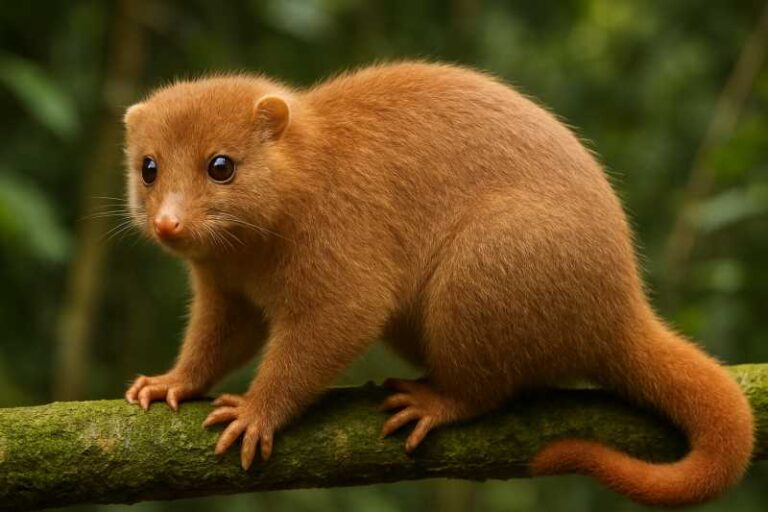
The Panamanian Dwarf Squirrel is aptly named for its petite stature. Adult individuals typically measure between 15 to 20 centimeters in length, including the tail, which is bushy and almost the same length as the body. The species exhibits a distinctive coloration, with its fur primarily a mix of brown and gray, providing excellent camouflage among the forest foliage. The underbelly is usually lighter, ranging from whitish to light gray. The squirrel’s ears are small and rounded, often with a slight tuft of hair. This species possesses sharp, curved claws and strong hind limbs, adaptations that facilitate its arboreal lifestyle.
Range and Habitat
Microsciurus boquetensis is endemic to Panama, with its range predominantly confined to the western highlands of the country. It thrives in montane forests, particularly favoring cloud forests and tropical rainforests with dense canopy cover. These environments offer an abundance of food resources and ample tree cover, which provide protection from predators and harsh weather conditions. The squirrel is most commonly found at elevations ranging from 1,200 to 2,500 meters above sea level, where the climate is cooler and more humid compared to the lowland regions.
Behavior and Diet
The Panamanian Dwarf Squirrel is diurnal, meaning it is active during the day. Its behavior is characterized by agility and speed, as it moves swiftly through the trees in search of food. Primarily arboreal, this squirrel rarely descends to the ground, preferring the safety and abundance of the forest canopy.
In terms of diet, the Panamanian Dwarf Squirrel is omnivorous. Its diet consists mainly of fruits, nuts, seeds, and insects. The squirrel plays a vital role in seed dispersal, as it often carries seeds away from the parent tree and either eats them or caches them for later consumption. This behavior contributes to forest regeneration and plant diversity. During the dry season, when food is scarcer, it may rely more heavily on stored food reserves.
Identification Tips (Field Recognition Cues)
Identifying the Panamanian Dwarf Squirrel in the wild requires attention to a few key characteristics:
- Size and Shape: Look for a small squirrel, typically under 20 centimeters in total length with a proportionately long tail.
- Coloration: Note the brown and gray fur with a lighter underbelly, which helps distinguish it from other squirrel species in the region.
- Habitat: Focus on montane and cloud forests at elevations above 1,200 meters, as these are the preferred habitats of this species.
- Behavior: Observe the canopy for rapid movements and listen for the rustling of leaves, as this squirrel is highly active during the day.
Conservation Status (with Threats and Protections)
The conservation status of the Panamanian Dwarf Squirrel is currently listed as Near Threatened by the International Union for Conservation of Nature (IUCN). The primary threats to this species include habitat loss due to deforestation, agricultural expansion, and climate change, which alter its montane forest habitats.
Conservation efforts are crucial to protect the remaining populations of this squirrel. Several protected areas within Panama, such as national parks and reserves, provide refuge for these mammals. Additionally, initiatives focusing on reforestation and sustainable land management practices are vital for preserving the habitats on which the Panamanian Dwarf Squirrel depends.
Frequently Asked Questions
What is the typical lifespan of a Panamanian Dwarf Squirrel?
The lifespan of a Panamanian Dwarf Squirrel in the wild is not well-documented, but similar small squirrel species typically live for about 5 to 7 years. Factors such as predation and environmental conditions can influence their longevity.
How does the Panamanian Dwarf Squirrel contribute to its ecosystem?
The Panamanian Dwarf Squirrel plays a key role in seed dispersal, aiding in forest regeneration and plant diversity. By carrying seeds away from parent trees, it promotes the growth of new plants, which is essential for maintaining healthy forest ecosystems.
Are there any specific predators of the Panamanian Dwarf Squirrel?
Common predators include birds of prey, such as hawks and owls, as well as arboreal snakes. The squirrel’s agility and tree-dwelling habits help it evade many of these threats.
What are the best times to observe the Panamanian Dwarf Squirrel in its natural habitat?
The best times to observe this squirrel are during the early morning and late afternoon when it is most active. These periods coincide with its foraging activities, providing a higher chance of sightings.
How are conservation efforts being implemented to protect the Panamanian Dwarf Squirrel?
Conservation efforts include the establishment of protected areas, reforestation projects, and promoting sustainable land-use practices. These measures aim to preserve the natural habitats and biodiversity crucial for the survival of the Panamanian Dwarf Squirrel.
Related posts