The Plain-colored Seedeater: A Comprehensive Overview
Introduction
The Plain-colored Seedeater (Catamenia inornata) is a small passerine bird belonging to the family Thraupidae. Despite its relatively muted appearance compared to other New World finches, the Plain-colored Seedeater plays a significant role in the ecosystems it inhabits. This article delves into various aspects of this species, including its taxonomy, distribution, habitat, behavior, diet, and conservation status.
Taxonomy and Nomenclature
The scientific name of the Plain-colored Seedeater, Catamenia inornata, reflects both its understated plumage and its distinguishing features. The genus name ‘Catamenia’ is derived from Greek, while the species name ‘inornata’ is Latin and means ‘unadorned’ or ‘plain’, aptly describing its appearance. The Plain-colored Seedeater was first described by Philip Lutley Sclater, a prominent British ornithologist, in the mid-19th century.
Distribution and Habitat
The Plain-colored Seedeater is found predominantly in the Andean regions of South America. Its range extends through countries such as Colombia, Ecuador, Peru, Bolivia, and northern Chile. The bird is typically found at altitudes ranging from 2,500 to 4,500 meters above sea level. It favors open montane grasslands and shrublands, often in areas with scattered bushes and rocky outcrops.
This species is highly adapted to high-altitude environments, where it benefits from less competition and predation compared to lower elevations. Seasonal movements have been observed, although these are often altitudinal rather than latitudinal, with populations moving to slightly lower elevations during harsher weather conditions.
Physical Description
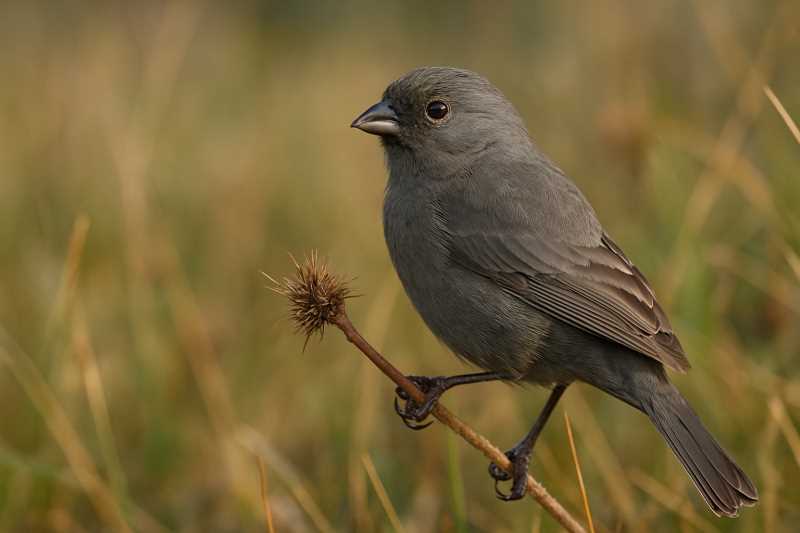
True to its name, the Plain-colored Seedeater is characterized by its relatively unremarkable plumage. Both males and females exhibit a similar coloration, primarily grayish-brown with subtle streaks, which provides effective camouflage against the rocky and grassy landscapes they inhabit. The bird’s size is modest, with an average length of 12 to 14 centimeters and a weight of approximately 15 to 20 grams.
The beak is short and conical, a typical feature among seedeaters, optimized for cracking seeds. The eyes are dark and the legs are slender, aiding in movement across varied terrain. Juvenile birds resemble adults but may exhibit slightly more pronounced streaking.
Behavior and Social Structure
Plain-colored Seedeaters are generally social birds, often observed in small flocks, particularly outside the breeding season. This social behavior aids in foraging efficiency and predator vigilance. In terms of communication, the species is known for its soft, melodious calls that play a role in mate attraction and territory defense.
During the breeding season, which varies depending on the geographical location and climate conditions, males engage in displays to attract females. These displays may involve song and physical posturing. Once a pair has formed, they work together to build a nest, typically a cup-shaped structure constructed from grass and lined with softer materials such as feathers.
Diet and Foraging
As its name suggests, the Plain-colored Seedeater primarily feeds on seeds, a diet well-suited to its robust, conical beak. It shows a preference for grass seeds but will also consume seeds from other low-lying plants. The bird’s foraging strategy is adapted to its environment, often involving hopping on the ground or perching on grass stalks to access seed heads.
In addition to seeds, the Plain-colored Seedeater occasionally supplements its diet with small insects, particularly during the breeding season when the demand for protein is higher to support chick development.
Reproduction and Lifespan
The breeding behavior of the Plain-colored Seedeater involves careful nest site selection and construction. Nests are usually well-concealed within grass tussocks or low shrubs to protect against predation. The female typically lays 2 to 3 eggs per clutch, and both parents share incubation duties, which last approximately 12 to 14 days.
Once hatched, the chicks are altricial, meaning they are born relatively helpless and require significant parental care. The parents provide food and protection until the juveniles fledge, roughly 15 to 20 days post-hatching. The lifespan of the Plain-colored Seedeater in the wild is not extensively documented, but it is estimated to be around 3 to 5 years, similar to other small passerines.
Conservation Status and Threats
The Plain-colored Seedeater is currently classified as Least Concern by the International Union for Conservation of Nature (IUCN). This status reflects its stable population trend and wide distribution. However, like many species, it faces potential threats from habitat loss due to agricultural expansion and climate change, which could alter its montane habitats.
Conservation efforts for this species are not as pronounced as for more threatened birds, but maintaining healthy ecosystems in the Andean regions is crucial. Protected areas and sustainable land management practices can help ensure the continued survival of the Plain-colored Seedeater and countless other species that share its habitat.
Conclusion
The Plain-colored Seedeater, while not the most visually striking bird, is an important component of its ecosystem. Its specialized adaptations to high-altitude environments, social behavior, and dietary preferences highlight the intricate balance of nature. Understanding and protecting such species contributes to the broader goal of biodiversity conservation in some of the world’s most unique and fragile landscapes.
By fostering awareness and promoting conservation actions, we can help preserve the diverse avian life of the Andean regions, ensuring that the Plain-colored Seedeater and its habitat continue to thrive for generations to come.
Related posts