Schaub’s Myotis (Myotis schaubi): A Comprehensive Guide
Introduction
Schaub’s Myotis (Myotis schaubi) is a fascinating species of bat belonging to the family Vespertilionidae, commonly known as vesper bats or evening bats. This diminutive mammal is one of the many intriguing members of the genus Myotis, which is renowned for its wide distribution and diverse adaptations. Schaub’s Myotis is particularly noteworthy due to its unique habitat preferences and behaviors, which set it apart from other bat species. This article delves into the physical characteristics, habitat, behavior, and conservation status of Schaub’s Myotis, providing a comprehensive overview for researchers, enthusiasts, and conservationists alike.
Physical Description
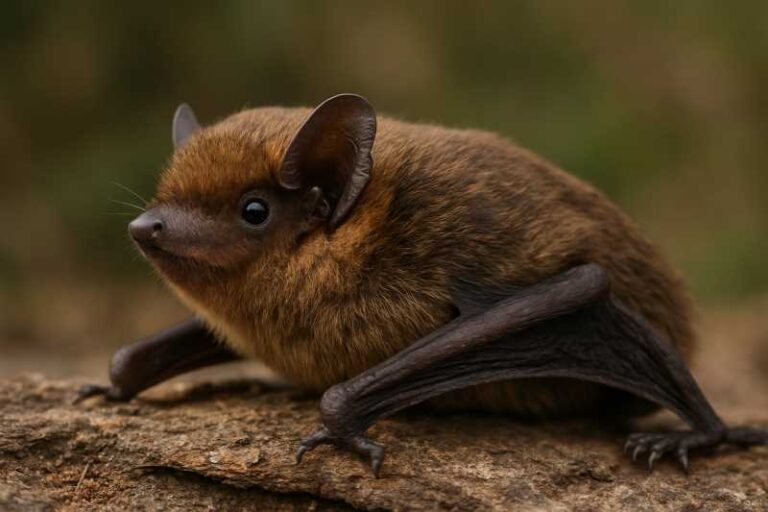
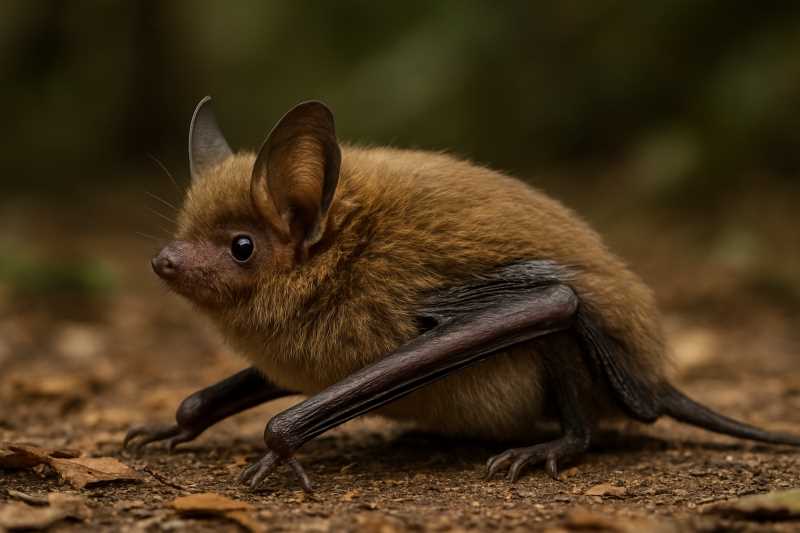
Schaub’s Myotis is a small bat, characterized by its delicate and slender build, typical of the Myotis genus. Adult individuals have a forearm length ranging between 30-40 millimeters and weigh approximately 5-9 grams, with females generally being slightly larger than males. The fur of Schaub’s Myotis is soft and dense, varying in color from light brown to grayish-brown on the dorsal side, while the ventral side exhibits a lighter, almost whitish hue. The ears are moderately long and rounded, equipped with a prominent tragus that aids in echolocation.
One of the distinguishing features of Schaub’s Myotis is its wing structure, which is adapted for agile and maneuverable flight. The wings are relatively long and narrow, allowing the bat to navigate through cluttered environments with ease. The tail is enclosed within the uropatagium, a membrane that extends between the hind legs, providing additional control during flight.
Range and Habitat
Schaub’s Myotis is primarily found in the Palearctic region, with its range extending across parts of Eastern Europe, the Middle East, and into Central Asia. Countries where this species has been documented include Turkey, Iran, Armenia, and Azerbaijan, among others. The bat favors a variety of habitats, including deciduous and mixed forests, as well as shrublands and rocky areas. It is often found in proximity to water bodies, such as rivers and lakes, which provide abundant foraging opportunities.
This species is known to roost in a variety of structures, both natural and artificial. Natural roosts include caves, rock crevices, and hollow trees, while artificial roosts may involve abandoned buildings and bridges. Schaub’s Myotis is a highly adaptable species, capable of exploiting a range of environments to meet its ecological needs.
Behavior and Diet
Schaub’s Myotis is a nocturnal species, emerging at dusk to forage for food. It employs echolocation to navigate and hunt, emitting high-frequency sound waves that bounce off objects and return as echoes. This sophisticated system allows the bat to detect and capture prey with remarkable precision.
The diet of Schaub’s Myotis primarily consists of insects, with a preference for small moths, beetles, and flies. The bat is an opportunistic feeder, adapting its diet based on the availability of prey in its environment. During the colder months, when insect activity is reduced, Schaub’s Myotis may enter a state of torpor or hibernation to conserve energy.
Identification Tips (Field Recognition Cues)
Identifying Schaub’s Myotis in the field requires attention to several key characteristics:
- Size and Shape: Look for a small bat with a slender build and a forearm length of 30-40 millimeters.
- Fur Coloration: Note the light brown to grayish-brown coloration on the dorsal side, with a lighter ventral side.
- Ear Structure: Identify the moderately long, rounded ears with a prominent tragus, a feature common in Myotis species.
- Flight Pattern: Observe the agile and maneuverable flight pattern, indicative of a bat adapted to cluttered environments.
- Roosting Habits: Check for roosts in caves, hollow trees, and abandoned buildings, common locations for Schaub’s Myotis.
Conservation Status (With Threats and Protections)
Schaub’s Myotis is currently classified as a species of Least Concern by the International Union for Conservation of Nature (IUCN). However, like many bat species, it faces several threats that could impact its populations in the future. Habitat destruction, particularly the loss of roosting sites due to deforestation and urbanization, poses a significant threat. Additionally, the use of pesticides can reduce insect prey availability and potentially harm the bats directly.
Conservation efforts for Schaub’s Myotis focus on habitat protection and management. Protecting natural roosting sites and ensuring the availability of foraging habitats are crucial steps in maintaining healthy populations. Public education and awareness campaigns can also play a vital role in reducing human-induced threats and promoting coexistence with these beneficial mammals.
Frequently Asked Questions
1. What is the primary diet of Schaub’s Myotis?
Schaub’s Myotis primarily feeds on insects, including small moths, beetles, and flies. It is an opportunistic feeder, adapting its diet based on prey availability.
2. Where can Schaub’s Myotis be found?
This bat species is found in the Palearctic region, with a range extending across Eastern Europe, the Middle East, and Central Asia. It inhabits deciduous and mixed forests, shrublands, and rocky areas.
3. How does Schaub’s Myotis use echolocation?
Schaub’s Myotis uses echolocation to navigate and hunt, emitting high-frequency sound waves that bounce off objects and return as echoes. This system allows it to detect and capture prey with precision.
4. What threats do Schaub’s Myotis face?
The main threats include habitat destruction, loss of roosting sites, and pesticide use, which can reduce prey availability and harm the bats.
5. How can we help conserve Schaub’s Myotis?
Conservation efforts focus on protecting roosting sites, ensuring foraging habitat availability, and raising public awareness to reduce human-induced threats.
Related posts