Introduction
The Nilgiri Highland Shrew, scientifically known as Suncus niger, is a lesser-known mammal species that captivates the attention of biologists and wildlife enthusiasts. This small, enigmatic creature is part of the Soricidae family, which encompasses shrews found across the globe. The Nilgiri Highland Shrew is endemic to the Western Ghats, a biodiversity hotspot in southern India. Due to its limited range and elusive nature, much about this species remains shrouded in mystery. This article delves into the physical characteristics, habitat, behavior, and conservation status of the Nilgiri Highland Shrew, providing insights into this intriguing mammal.
Physical Description
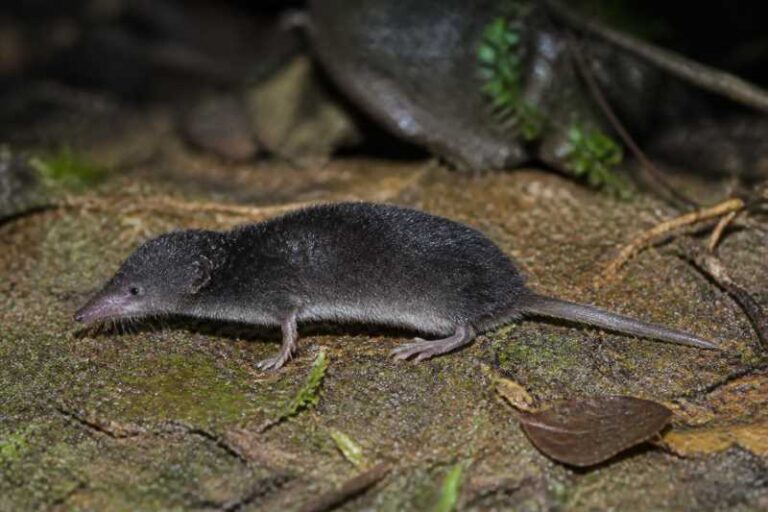
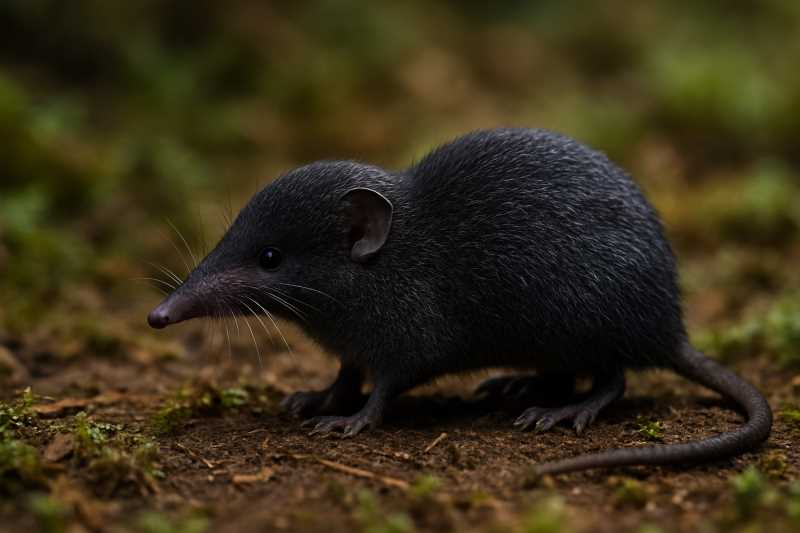
The Nilgiri Highland Shrew is a small-sized mammal distinguished by its sleek, dark fur and elongated snout. Adults typically measure between 60 to 80 millimeters in body length, with a tail that can add an additional 40 to 60 millimeters to their overall size. Weighing approximately 5 to 10 grams, these shrews are lightweight and agile.
Their dense, blackish-brown fur provides excellent camouflage against the forest floor, helping them remain inconspicuous to predators. The eyes of the Nilgiri Highland Shrew are small, reflecting their reliance on other senses such as touch and smell for navigation and hunting. Their pointed snout is highly sensitive, equipped with vibrissae (whisker-like hairs) that aid in detecting prey and navigating their complex environment.
Range and Habitat
The Nilgiri Highland Shrew is endemic to the Western Ghats, a mountain range that runs parallel to the western coast of India. This region is renowned for its rich biodiversity and complex ecosystems. The shrew’s distribution is primarily concentrated in the Nilgiri Hills, which is part of the larger Western Ghats range.
The preferred habitat of the Nilgiri Highland Shrew includes montane forests and grasslands, where they can find ample cover and food resources. These shrews are often found in areas with dense undergrowth, fallen leaves, and abundant insect populations. The cool, moist climate of the highlands provides an ideal environment for these shrews to thrive.
Behavior and Diet
Nilgiri Highland Shrews are primarily nocturnal creatures, with most of their activity occurring during the night. This nocturnal lifestyle helps them avoid many daytime predators and exploit the abundance of nocturnal insects.
Their diet predominantly consists of insects and other small invertebrates. They are known for their voracious appetite, consuming food equal to their body weight each day. This high metabolic rate is typical of shrews, necessitating constant foraging to sustain their energy needs. They use their keen sense of smell and touch to locate prey, often scurrying through leaf litter and undergrowth in search of food.
Behaviorally, Nilgiri Highland Shrews are solitary animals, with individuals maintaining and defending their own territories. Communication is mainly through high-pitched squeaks and scent markings. Despite their solitary nature, they are crucial components of the ecosystem, playing significant roles in pest control and soil aeration.
Identification Tips (Field Recognition Cues)
Identifying the Nilgiri Highland Shrew in the field requires attention to specific features:
- Size and Shape: Look for a small, compact creature with a body length of 60-80 mm and a tail length of 40-60 mm.
- Fur Color: Their distinctive dark brown to black fur can help distinguish them from other shrew species in the area.
- Behavior: Observe their nocturnal activity; these shrews are most active after dusk.
- Habitat: Spot them in high-altitude montane forests and grasslands.
- Sound: Listen for high-pitched squeaks, especially during night-time field surveys.
Conservation Status (With Threats and Protections)
The conservation status of the Nilgiri Highland Shrew is currently classified as "Data Deficient" by the International Union for Conservation of Nature (IUCN). This classification highlights the need for more comprehensive studies to evaluate their population size and trends.
Threats: The primary threats facing the Nilgiri Highland Shrew include habitat loss and fragmentation due to deforestation, agricultural expansion, and urbanization. Climate change also poses a significant threat by altering the delicate montane ecosystems that these shrews depend on.
Protections: Several protected areas within the Western Ghats, such as national parks and wildlife sanctuaries, provide some level of habitat protection for the Nilgiri Highland Shrew. Conservation efforts aimed at preserving the Western Ghats’ biodiversity indirectly benefit this species. However, targeted conservation measures and research are essential for ensuring the long-term survival of the Nilgiri Highland Shrew.
Frequently Asked Questions
What is the Nilgiri Highland Shrew’s primary diet?
The Nilgiri Highland Shrew primarily feeds on insects and other small invertebrates. Their diet includes beetles, larvae, and worms, which they hunt using their acute senses of smell and touch.
Where can I find the Nilgiri Highland Shrew in its natural habitat?
The Nilgiri Highland Shrew is found in the Western Ghats of southern India, specifically in the Nilgiri Hills. They inhabit montane forests and grasslands with dense undergrowth.
How does the Nilgiri Highland Shrew contribute to its ecosystem?
Nilgiri Highland Shrews play a crucial role in their ecosystem by controlling insect populations and aiding in soil aeration through their burrowing activities. Their presence contributes to the overall health of their habitat.
What are the main threats to the Nilgiri Highland Shrew?
The main threats to the Nilgiri Highland Shrew include habitat loss due to deforestation and climate change, which can alter their montane ecosystem. Conservation efforts are needed to mitigate these threats.
Are there any conservation efforts specifically targeting the Nilgiri Highland Shrew?
While there are no conservation efforts specifically targeting the Nilgiri Highland Shrew, general conservation initiatives in the Western Ghats help protect their habitat. More research and targeted actions are essential for their preservation.
Related posts