Blazed Luzon Striped Shrew Rat: Chrotomys silaceus
Introduction
The Blazed Luzon Striped Shrew Rat, scientifically known as Chrotomys silaceus, is a fascinating but lesser-known mammal species endemic to Luzon Island in the Philippines. This rodent is part of the Muridae family and is notable for its distinct physical features and specialized habitat preferences. Despite its intriguing characteristics, the Blazed Luzon Striped Shrew Rat remains under-researched, making it a subject of interest for conservationists and biologists alike.
Physical Description
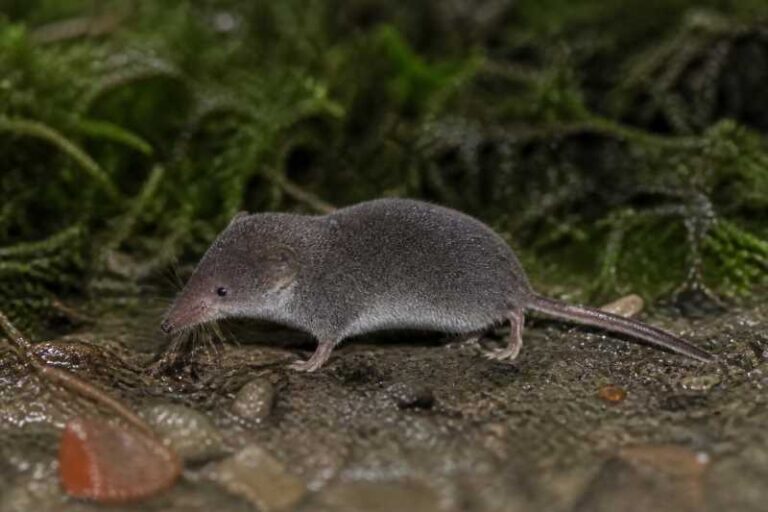
The Blazed Luzon Striped Shrew Rat is characterized by its unique physical appearance, which sets it apart from other rodents. It has a medium-sized body, typically measuring between 18 to 22 centimeters in body length, excluding its tail, which adds an additional 10 to 15 centimeters. Its most striking feature is the blaze-like stripe that runs along its back, from the neck to the base of the tail, which is often a distinguishing reddish or orange color.
The fur of the Blazed Luzon Striped Shrew Rat is generally dense and soft, providing insulation against the cooler temperatures of its montane habitat. The coloration of the fur varies from dark brown to gray, with the distinct dorsal stripe providing a stark contrast. The rat’s whiskers are long and sensitive, aiding in navigation and foraging in its environment.
Range and Habitat
The Blazed Luzon Striped Shrew Rat is endemic to Luzon, the largest island in the Philippines. Within Luzon, its range is primarily confined to the mountain ranges, where it inhabits montane and mossy forests. These environments, typically found at elevations of 1,000 meters and above, offer the cool, moist conditions that the species prefers.
The habitat of Chrotomys silaceus is characterized by dense vegetation, a thick layer of leaf litter, and a rich diversity of flora and fauna. These forests provide ample cover and food resources, allowing the Blazed Luzon Striped Shrew Rat to thrive. However, its specialized habitat requirements also make it vulnerable to environmental changes and habitat destruction.
Behavior and Diet
The Blazed Luzon Striped Shrew Rat is predominantly nocturnal, with most of its activity occurring during the night. This nocturnal lifestyle helps it avoid predators and take advantage of cooler temperatures. It is a solitary animal, with individuals maintaining territories that they vigorously defend from intruders.
In terms of diet, Chrotomys silaceus is omnivorous, feeding on a variety of food sources. Its diet primarily consists of insects, worms, and other invertebrates, which it forages for in the leaf litter and soil. Additionally, it consumes plant matter, such as seeds and fruits, when available. This varied diet helps the species adapt to changes in food availability throughout the year.
Identification Tips
Identifying the Blazed Luzon Striped Shrew Rat in the field requires attention to several key characteristics:
- Distinct Dorsal Stripe: Look for the characteristic reddish or orange blaze-like stripe running along its back.
- Size and Proportions: Note the medium body size of 18 to 22 centimeters, excluding the tail.
- Fur Color: Observe the dark brown to gray fur, which contrasts with the dorsal stripe.
- Habitat: Check if the location is within its known range of montane and mossy forests on Luzon Island.
- Behavior: Watch for nocturnal activity patterns, as this species is primarily active at night.
Conservation Status
The conservation status of the Blazed Luzon Striped Shrew Rat is a matter of concern due to its restricted range and specialized habitat requirements. It is currently categorized as Near Threatened on the IUCN Red List.
Threats
- Habitat Destruction: Deforestation for agriculture, logging, and urban development is the primary threat to its habitat.
- Climate Change: Alterations in temperature and precipitation patterns can impact its montane habitat.
- Invasive Species: The introduction of non-native species can disrupt the ecosystem balance and compete for resources.
Protections
Efforts to conserve the Blazed Luzon Striped Shrew Rat include:
- Protected Areas: Establishment of protected areas within its range to preserve its natural habitat.
- Environmental Policies: Implementation of sustainable land-use practices and forestry regulations.
- Research and Monitoring: Increased research efforts to better understand the species’ ecology and population dynamics.
Frequently Asked Questions
What is the habitat of the Blazed Luzon Striped Shrew Rat?
The Blazed Luzon Striped Shrew Rat inhabits montane and mossy forests on Luzon Island, typically at elevations above 1,000 meters where the environment is cool and moist.
How can I identify a Blazed Luzon Striped Shrew Rat?
Look for a medium-sized rodent with a distinctive reddish or orange dorsal stripe, dark brown to gray fur, and nocturnal behavior in montane forest habitats on Luzon.
Is the Blazed Luzon Striped Shrew Rat endangered?
Currently, the Blazed Luzon Striped Shrew Rat is classified as Near Threatened due to habitat destruction and other environmental pressures.
What does the Blazed Luzon Striped Shrew Rat eat?
It is an omnivore, feeding primarily on insects, worms, and other invertebrates, as well as seeds and fruits when available.
What are the main threats to the Blazed Luzon Striped Shrew Rat?
The primary threats include habitat destruction due to deforestation, climate change, and competition from invasive species.
Related posts