Angolan Groove-toothed Swamp Rat (Pelomys campanae)
Introduction
The Angolan Groove-toothed Swamp Rat, scientifically known as Pelomys campanae, is a fascinating and elusive rodent species endemic to the wetlands of Angola. This lesser-known mammal belongs to the family Muridae, which is characterized by a diverse range of species including rats, mice, and other small rodents. Despite its somewhat obscure status, the Angolan Groove-toothed Swamp Rat plays an important role in its ecosystem, contributing to the biodiversity of its native habitat.
Researchers have been intrigued by this unique species due to its specialized adaptations and behavior patterns. This article delves into the details of the Angolan Groove-toothed Swamp Rat’s physical characteristics, habitat preferences, behavioral tendencies, and conservation status, providing a comprehensive look at this intriguing mammal.
Physical Description
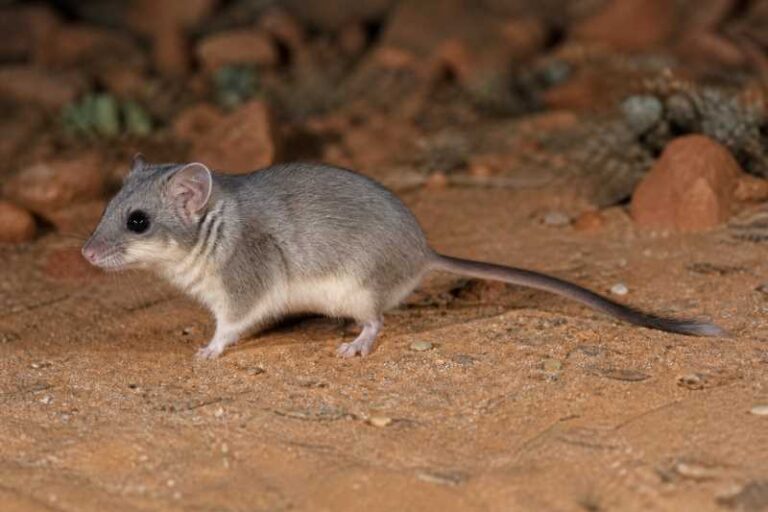
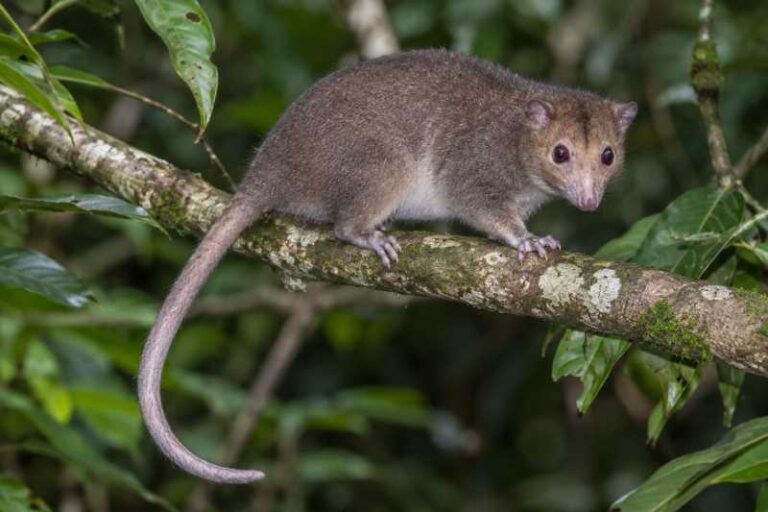
The Angolan Groove-toothed Swamp Rat is a medium-sized rodent, typically measuring between 15 to 20 centimeters in body length, with a tail that extends approximately 10 to 15 centimeters. This species is distinguished by its dense, coarse fur, which is generally a mottled brown or gray in color, providing excellent camouflage within its swampy habitat.
One of the most distinctive features of Pelomys campanae is its grooved incisors, which are adapted for feeding on tough vegetation and roots commonly found in swamp environments. These grooves increase the surface area and effectiveness of the teeth, allowing the rat to process fibrous plant material efficiently. Additionally, the species possesses robust hind limbs, aiding in its movement across uneven and wet terrain.
Range and Habitat
The natural range of the Angolan Groove-toothed Swamp Rat is limited to the marshy regions and wetlands of Angola. These areas are characterized by dense vegetation, abundant water sources, and a rich diversity of plant and animal life. The species thrives in environments where water levels fluctuate seasonally, creating a dynamic habitat that supports its dietary and shelter needs.
Within these wetlands, the Angolan Groove-toothed Swamp Rat occupies burrows or nests constructed from grasses and other plant materials. These structures are often situated near water, providing both a convenient food source and protection from predators. The rat’s range is closely linked to the availability of suitable swampy habitats, making it vulnerable to environmental changes and habitat destruction.
Behavior and Diet
The Angolan Groove-toothed Swamp Rat is primarily nocturnal, becoming most active during the cooler, darker hours of the night. This behavior helps it avoid predators and the harsh daytime temperatures common in its native habitat. The species is known for its solitary tendencies, although it may occasionally form small groups during foraging or mating.
In terms of diet, Pelomys campanae is predominantly herbivorous, feeding on a variety of swamp vegetation, including grasses, sedges, and aquatic plants. Its grooved teeth are particularly well-suited for grinding down tough plant fibers, allowing it to extract essential nutrients from its food. Occasionally, the Angolan Groove-toothed Swamp Rat may also consume insects or other small invertebrates, supplementing its diet with additional protein.
Identification Tips
Recognizing the Angolan Groove-toothed Swamp Rat in the field involves paying attention to several key characteristics:
- Size and Shape: Look for a medium-sized rodent with a relatively long tail. The body is robust, and the fur is thick and coarse.
- Fur Coloration: The species typically exhibits a mottled brown or gray coat, blending well with its swampy surroundings.
- Dental Features: If observed closely, the grooved incisors are a distinctive trait, though this may be difficult to see without capturing the animal.
- Behavior: Active primarily at night, the rat’s movements are often quick and furtive, making it challenging to spot during the day.
- Habitat: Presence in swampy or marshy areas of Angola is a strong indicator of the species.
Conservation Status
The conservation status of the Angolan Groove-toothed Swamp Rat remains somewhat ambiguous due to a lack of comprehensive studies. However, it is suspected that the species faces several threats, primarily stemming from habitat destruction and environmental changes.
Threats
- Habitat Loss: Expansion of agriculture, urban development, and infrastructure projects have encroached upon the wetlands that form the natural habitat of Pelomys campanae.
- Climate Change: Altered rainfall patterns and increased temperatures could disrupt the delicate balance of the swamp ecosystems, affecting water availability and vegetation growth.
- Pollution: Contamination from agricultural runoff and industrial waste poses a risk to the health of the wetlands and the species that depend on them.
Protections
Currently, there are limited specific protections in place for the Angolan Groove-toothed Swamp Rat. However, broader conservation initiatives aimed at preserving Angola’s wetlands and biodiversity indirectly benefit this species. Efforts to establish protected areas and promote sustainable land-use practices are crucial for safeguarding its habitat.
Frequently Asked Questions
- What is the diet of the Angolan Groove-toothed Swamp Rat?
The Angolan Groove-toothed Swamp Rat primarily feeds on swamp vegetation, including grasses, sedges, and aquatic plants. Occasionally, it may also consume insects or small invertebrates.
- Where can the Angolan Groove-toothed Swamp Rat be found?
This species is endemic to the wetlands of Angola, specifically inhabiting marshy regions characterized by dense vegetation and abundant water sources.
- What are the main threats to the Angolan Groove-toothed Swamp Rat?
The primary threats include habitat loss due to agriculture and development, climate change affecting swamp ecosystems, and pollution from agricultural runoff and industrial waste.
- How can one identify the Angolan Groove-toothed Swamp Rat?
Key identifiers include its medium size, mottled brown or gray fur, grooved incisors, nocturnal behavior, and presence in swampy habitats in Angola.
- Is the Angolan Groove-toothed Swamp Rat endangered?
While specific conservation status is unclear, the species is vulnerable to environmental changes and habitat destruction, necessitating conservation efforts to ensure its survival.
Related posts