Ibicui Tuco-tuco (Ctenomys ibicuiensis): A Comprehensive Guide
Introduction
The Ibicui Tuco-tuco (Ctenomys ibicuiensis) is an intriguing mammal species belonging to the family Ctenomyidae. Known for its elusive nature and subterranean lifestyle, this small rodent captivates researchers and wildlife enthusiasts alike. The Ibicui tuco-tuco, native to South America, plays a vital role in the ecosystem, contributing to soil aeration and seed dispersion. Despite its ecological significance, much about this species remains shrouded in mystery, making it a subject of scientific fascination.
Physical Description
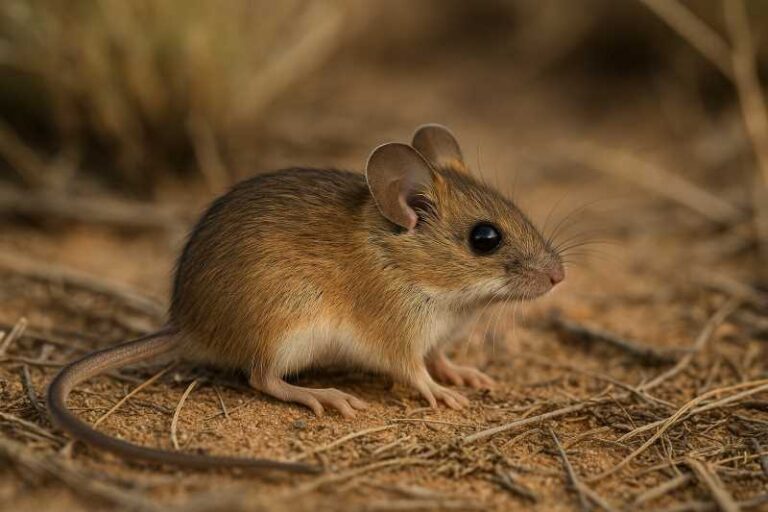
Ctenomys ibicuiensis is characterized by its robust build and specialized adaptations for a burrowing lifestyle. Typically measuring between 20 to 25 centimeters in length, including its short tail, the Ibicui Tuco-tuco is covered with dense, soft fur that ranges from grayish-brown to sandy tones, providing camouflage against the soil.
The head is broad with small, rounded ears and a pair of prominent, ever-growing incisors designed for gnawing through roots and underground vegetation. Its eyes are small and adapted to low-light conditions, while its limbs are strong and equipped with long claws, perfect for digging intricate tunnel systems.
Range and Habitat
The Ibicui Tuco-tuco is endemic to regions of southern Brazil, predominantly found in the grasslands and open fields of Rio Grande do Sul. This species thrives in sandy and loamy soils, which facilitate easier burrowing and offer abundant food sources.
These rodents are typically found in areas with sparse vegetation, where they can construct extensive underground networks. Their burrows serve as protection against predators and harsh weather conditions, and as a means to access roots and tubers that make up their diet.
Behavior and Diet
Ibicui Tuco-tucos are solitary and territorial creatures, known for their resilience and adaptability. They are primarily fossorial, spending most of their time underground to avoid predators. Their tunnel systems are complex, often comprising multiple chambers used for nesting, food storage, and waste disposal.
The diet of the Ibicui Tuco-tuco is predominantly herbivorous, consisting mainly of plant roots, tubers, and grasses. They have been observed to engage in foraging activities at night or during dusk and dawn to minimize exposure to predators.
Identification Tips (Field Recognition Cues)
Identifying the Ibicui Tuco-tuco in the wild can be challenging due to its subterranean habits. However, there are several field recognition cues that can aid in its identification:
- Burrow Entrances: Look for round, smooth-edged holes in the ground, often surrounded by mounds of freshly dug soil.
- Vocalizations: Listen for their distinctive "tuco-tuco" sounds, which are used for communication, especially during the breeding season.
- Footprints and Tracks: Observe small, clawed footprints around burrow sites, particularly after rain.
- Vegetation Damage: Notice signs of gnawing on roots and grasses near burrow entrances.
Conservation Status (with Threats and Protections)
The conservation status of the Ibicui Tuco-tuco is currently classified as "Data Deficient" by the International Union for Conservation of Nature (IUCN). This classification reflects the limited information available on their population trends and distribution.
Threats
- Habitat Destruction: Agricultural expansion and urban development pose significant threats by reducing available habitat.
- Predation: Natural predators include birds of prey, snakes, and carnivorous mammals.
- Climate Change: Alterations in climate patterns may impact the availability of food and suitable burrowing conditions.
Protections
Conservation efforts are focused on habitat preservation and the implementation of sustainable land management practices. Increasing research and monitoring efforts are essential to understanding the ecological needs of the Ibicui Tuco-tuco and devising effective conservation strategies.
Frequently Asked Questions
What is the primary habitat of the Ibicui Tuco-tuco?
The Ibicui Tuco-tuco primarily inhabits grasslands and open fields with sandy or loamy soils in southern Brazil, particularly in Rio Grande do Sul.
How does the Ibicui Tuco-tuco communicate?
Ibicui Tuco-tucos communicate through vocalizations, producing distinctive "tuco-tuco" sounds that serve as territorial calls and mating signals.
Are Ibicui Tuco-tucos endangered?
The Ibicui Tuco-tuco is not currently classified as endangered, but its status is "Data Deficient" due to a lack of comprehensive population and distribution data.
What threats do Ibicui Tuco-tucos face?
Major threats include habitat destruction due to agriculture and urbanization, predation by natural predators, and the effects of climate change.
How can we help conserve the Ibicui Tuco-tuco?
Conservation can be supported through habitat preservation, research initiatives, and sustainable land management practices to ensure the survival of this species.
Related posts