Nicobar Treeshrew: An In-Depth Look at Tupaia nicobarica
Introduction
The Nicobar Treeshrew, scientifically known as Tupaia nicobarica, is a fascinating small mammal endemic to the Nicobar Islands of India. Despite its name, the treeshrew is not a true shrew but belongs to the family Tupaiidae, which is more closely related to primates. The Nicobar Treeshrew is a vital part of the island’s ecosystem, playing a significant role in seed dispersal and insect population control. This article will delve into various aspects of this unique species, including its physical characteristics, habitat, behavior, and conservation status.
Physical Description
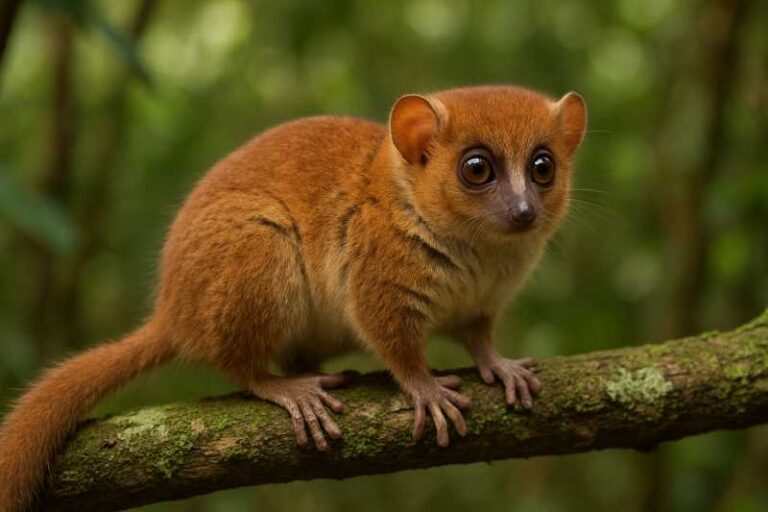
The Nicobar Treeshrew is a small mammal characterized by its slender body and elongated snout. Adults typically measure between 16 and 20 centimeters in body length, with a tail that can add another 15 to 19 centimeters. This species weighs approximately 100 to 150 grams. The fur is generally a dark brown or olive color, providing excellent camouflage against the forest floor and tree bark. The fur is dense and soft, with lighter underparts and a distinct line of demarcation along the sides. Its large eyes and short, rounded ears are well-adapted for its arboreal lifestyle, allowing for acute vision and hearing.
Range and Habitat
The Nicobar Treeshrew is endemic to the Nicobar Islands, a group of islands located in the eastern Indian Ocean. Specifically, it inhabits the Great Nicobar and Little Nicobar islands. The species thrives in tropical rainforests, which provide ample cover and food resources. It is most commonly found in lowland and montane forests, where it occupies various strata from the forest floor to the canopy. The dense vegetation and high humidity of these forests create an ideal environment for the Nicobar Treeshrew to flourish.
Behavior and Diet
The Nicobar Treeshrew is a diurnal creature, meaning it is most active during the day. It spends a significant portion of its time foraging for food, which consists mainly of insects, small invertebrates, fruits, and seeds. This diversified diet helps maintain the ecological balance of the forest by controlling insect populations and aiding in seed dispersal. The treeshrew is known for its solitary nature, although it may sometimes be observed in pairs during the breeding season. Communication among individuals is primarily through vocalizations and scent markings, which help establish and maintain territories.
Identification Tips (Field Recognition Cues)
Identifying the Nicobar Treeshrew in the field requires attention to several key features:
- Size and Shape: Look for a small, squirrel-like mammal with a long tail and an elongated snout.
- Coloration: Notice the dark brown or olive fur with lighter underparts and a clear demarcation line along the flanks.
- Behavior: Observe its movement; it is agile and quick, often seen darting through the underbrush or climbing trees.
- Habitat Preference: Focus on lowland and montane rainforests, particularly areas with dense vegetation.
Conservation Status (with Threats and Protections)
The Nicobar Treeshrew is currently classified as "Near Threatened" by the International Union for Conservation of Nature (IUCN). This status is due to its limited range and the ongoing threats to its habitat. Deforestation, land development, and the impact of natural disasters, such as tsunamis, pose significant threats to the species’ survival. Conservation efforts are underway to protect the remaining habitats on the Nicobar Islands. These include legal protections under Indian wildlife laws and international conservation agreements. Continued research and habitat preservation are crucial for the survival of the Nicobar Treeshrew.
Frequently Asked Questions
What do Nicobar Treeshrews eat?
Nicobar Treeshrews have an omnivorous diet that includes insects, small invertebrates, fruits, and seeds. This varied diet helps maintain ecological balance in their rainforest habitats.
Are Nicobar Treeshrews endangered?
While not currently endangered, the Nicobar Treeshrew is classified as "Near Threatened" due to habitat loss and other environmental pressures.
How can I identify a Nicobar Treeshrew?
Look for a small, squirrel-like mammal with a long tail, dark brown or olive fur, and lighter underparts. It is often seen in the dense vegetation of Nicobar Islands’ rainforests.
Where do Nicobar Treeshrews live?
These treeshrews are endemic to the Nicobar Islands in India, specifically inhabiting the tropical rainforests of Great Nicobar and Little Nicobar.
Why is the Nicobar Treeshrew important?
The Nicobar Treeshrew plays a crucial role in seed dispersal and insect population control, contributing to the ecological health of its rainforest habitat.
Related posts