Introduction
Carraway’s Gray Shrew (Notiosorex carrawayae) is a lesser-known yet fascinating small mammal species that inhabits specific regions in North America. As a member of the Soricidae family, it shares its lineage with other shrew species, which are often characterized by their small size and high metabolism. This article delves into the unique aspects of Carraway’s Gray Shrew, exploring its physical characteristics, habitats, behaviors, and conservation needs.
Physical Description
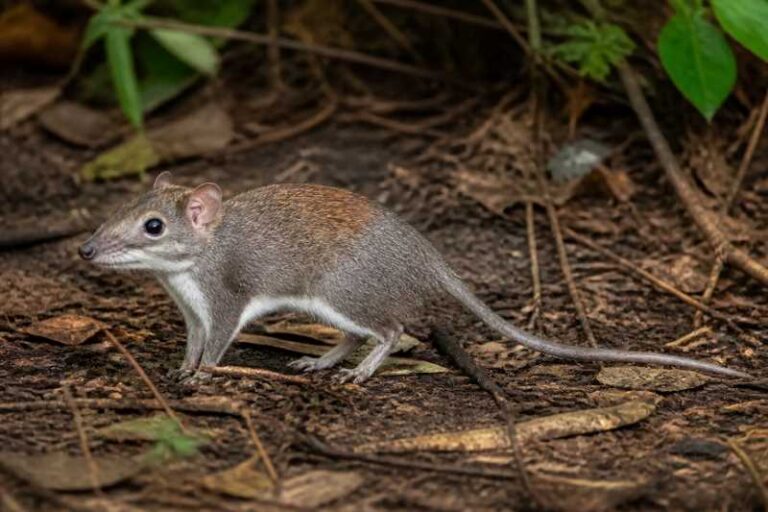
Carraway’s Gray Shrew is a diminutive creature, typically measuring between 3 to 4 inches in total length, including its tail. Its fur is predominantly gray, providing excellent camouflage within its natural habitat. The shrew’s pointed snout is a notable feature, equipped with sensitive whiskers that aid in detecting prey and navigating its environment. Its teeth, unlike those of many mammals, are adapted for an insectivorous diet, featuring sharp cusps ideal for piercing and grinding small invertebrates.
Another remarkable feature of Carraway’s Gray Shrew is its tiny eyes and ears, which are often concealed by its dense fur. While its eyesight is relatively poor, the shrew compensates with an acute sense of hearing and smell, essential for survival in its subterranean and nocturnal lifestyle.
Range and Habitat
Carraway’s Gray Shrew is primarily found in arid and semi-arid regions of southwestern North America, including parts of the United States and Mexico. The species thrives in desert scrub and grassland environments, where it can burrow into sandy soils and find shelter under rocks or vegetation.
The shrew’s habitat preference for loose, well-drained soils allows it to create extensive underground burrow systems. These burrows provide protection from predators and extreme temperatures, as well as a strategic advantage for hunting prey. The species’ distribution is closely linked to the availability of these suitable habitats, making it vulnerable to habitat destruction and fragmentation.
Behavior and Diet
Carraway’s Gray Shrew is primarily nocturnal, with peak activity occurring during the cooler hours of the night. Its behavior is highly influenced by its need to maintain a high metabolic rate, which demands frequent feeding. The shrew’s diet consists mainly of insects and other small invertebrates, such as spiders and centipedes. It employs a combination of keen senses and rapid movements to locate and capture prey.
In addition to hunting, the shrew is known for its territorial behavior. Males, in particular, can be aggressive when defending their territory from intruders. Communication among shrews is facilitated by a variety of vocalizations and scent markings, which also play a role in mating and social interactions.
Identification Tips (Field Recognition Cues)
Identifying Carraway’s Gray Shrew in the field can be challenging due to its small size and elusive nature. However, there are several key characteristics to look for:
- Coloration: Look for the distinct gray fur that blends seamlessly with the desert surroundings.
- Size: Note the small size, typically ranging from 3 to 4 inches including the tail.
- Head Shape: Observe the pointed snout, which is a defining feature of shrews.
- Activity: Check for signs of nocturnal activity, such as small tracks or burrows.
Field researchers often rely on traps and motion-sensitive cameras to study these elusive creatures in their natural habitats.
Conservation Status (with Threats and Protections)
The conservation status of Carraway’s Gray Shrew is currently not well-documented, primarily due to its elusive nature and the challenges in studying its populations. However, like many species dependent on specific habitats, it faces threats from habitat loss and environmental changes.
Urbanization, agriculture, and climate change contribute to the degradation of the natural habitats that Carraway’s Gray Shrew relies on. Conservation efforts aimed at preserving desert and grassland ecosystems are crucial for the survival of this species. Protective measures include habitat restoration and legal protections for critical habitats.
Frequently Asked Questions
What is the typical diet of Carraway’s Gray Shrew? Carraway’s Gray Shrew primarily feeds on insects and small invertebrates, such as spiders and centipedes. Its diet supports its high metabolic rate, requiring frequent feeding.
Where can Carraway’s Gray Shrew be found? The shrew inhabits arid and semi-arid regions in southwestern North America, particularly in desert scrub and grassland environments.
How does Carraway’s Gray Shrew communicate? Communication among these shrews involves vocalizations and scent markings, which are used for social interactions and territorial defense.
What are the main threats to Carraway’s Gray Shrew? The primary threats include habitat loss due to urbanization, agriculture, and climate change, which lead to habitat degradation and fragmentation.
How can researchers study Carraway’s Gray Shrew in the wild? Researchers often use traps and motion-sensitive cameras to observe and study these elusive creatures in their natural habitats.
Related posts