########################################################################################################################################################## The Chinese Nuthatch: A Detailed Exploration of Sitta villosa
The Chinese Nuthatch, scientifically known as _Sitta villosa_, is a captivating avian species that inhabits the temperate forests of East Asia. This bird is a member of the family Sittidae, which is renowned for its agile and acrobatic feeding habits. The Chinese Nuthatch, in particular, is a symbol of the rich biodiversity found in China and Mongolia, and its presence in these regions underscores the importance of habitat conservation.
Physical Characteristics
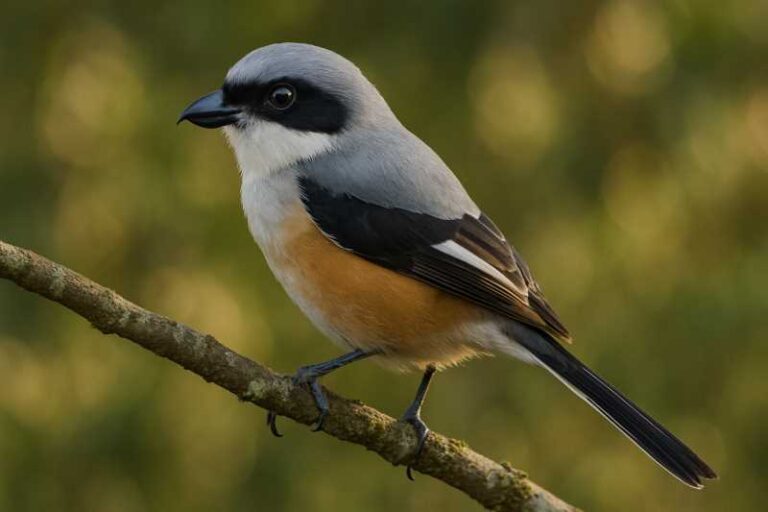
The Chinese Nuthatch is a small bird, measuring approximately 12.5 cm in length. It is characterized by its striking plumage, which consists of a bluish-gray upper body and a white underbody. The bird’s most distinctive feature is its black eye stripe, which runs from the beak through the eye to the nape, contrasting sharply with its white face. Its wings and tail have a subtle blue tint, and its beak is short but stout, adapted perfectly for foraging.
Habitat and Distribution
The species is predominantly found in the temperate forests of China and Mongolia, where it prefers deciduous and mixed woodlands. These forests provide the ideal environment with abundant food sources and nesting sites. The Chinese Nuthatch is non-migratory, which means it remains within its habitat throughout the year, adapting to seasonal changes in climate and food availability.
Behavior and Diet
Nuthatches, including the Chinese species, are known for their unique foraging behavior. They are often seen creeping along tree trunks and branches in search of insects and seeds. The Chinese Nuthatch has a particular affinity for pine seeds, which are abundant in its natural habitat. During the breeding season, its diet shifts more towards insects, providing the necessary protein for raising young chicks.
The Chinese Nuthatch is a solitary bird outside the breeding season but forms monogamous pairs during the breeding period. These pairs work together to excavate nesting holes in decaying trees, where the female lays between 4 to 6 eggs. Both parents are involved in feeding and caring for the chicks until they fledge.
Vocalization
The Chinese Nuthatch is not only beautiful but also vocal. Its calls are a series of sharp, repetitive notes that serve various functions, from marking territory to signaling alarm. These vocalizations are particularly important in dense forests where visibility is limited.
Conservation Status
The Chinese Nuthatch is currently classified as a species of Least Concern on the IUCN Red List. This classification reflects its relatively stable population across its native range. However, the species faces threats from habitat destruction due to logging and deforestation in China and Mongolia. Conservation efforts are crucial to maintaining the health of its population by protecting its natural habitat.
Cultural Significance
Birds hold significant cultural value in many Asian societies, and the Chinese Nuthatch is no exception. It is often featured in traditional Chinese art and literature, symbolizing agility and resourcefulness. This cultural appreciation further highlights the importance of preserving this species for future generations.
Conclusion
The Chinese Nuthatch is a remarkable example of avian adaptation and survival in East Asia’s temperate forests. Its presence is a testament to the ecological richness of these regions. While currently not under immediate threat, proactive conservation measures are essential to ensure the long-term survival of the Chinese Nuthatch and the ecosystems it supports. By understanding and appreciating this species, we can better appreciate the intricate connections within our natural world and the importance of preserving it.
Related posts