The Rufous-fronted Babbler: A Glimpse into Its World
The Rufous-fronted Babbler (Cyanoderma rufifrons) is a small, enchanting bird that belongs to the family Timaliidae. Found primarily in the dense forests of Southeast Asia, this bird is known for its vibrant appearance and distinctive vocalizations. Despite its often elusive nature, the Rufous-fronted Babbler has captured the interest of ornithologists and birdwatchers alike, offering a unique insight into the complex ecosystems it inhabits.
Habitat and Distribution
The Rufous-fronted Babbler is predominantly found in the subtropical and tropical moist lowland forests, as well as montane forests, across countries such as India, Myanmar, China, Thailand, Laos, and Vietnam. These regions provide the dense undergrowth and canopy cover that the babbler prefers, allowing it to forage effectively while staying relatively hidden from predators.
These birds are most commonly spotted in the understory layer of the forest, where they flit between shrubs and low-lying branches. Their preference for dense vegetation means they are often heard before they are seen, with their calls echoing through the forest as they communicate with their group.
Physical Characteristics
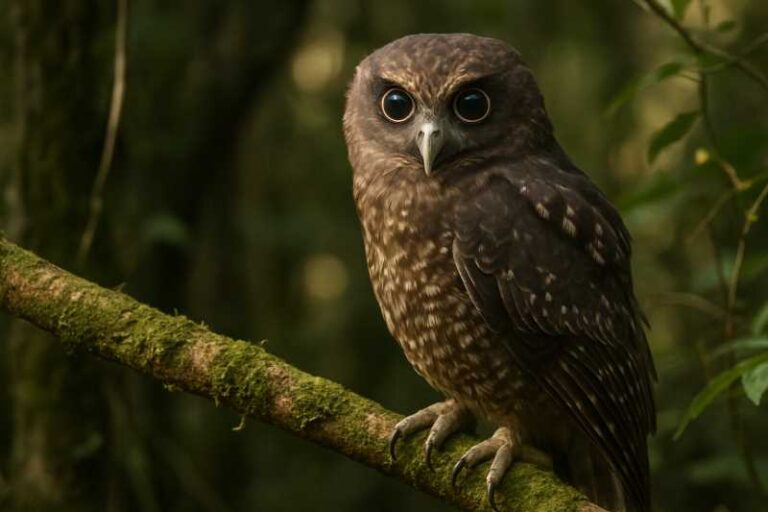
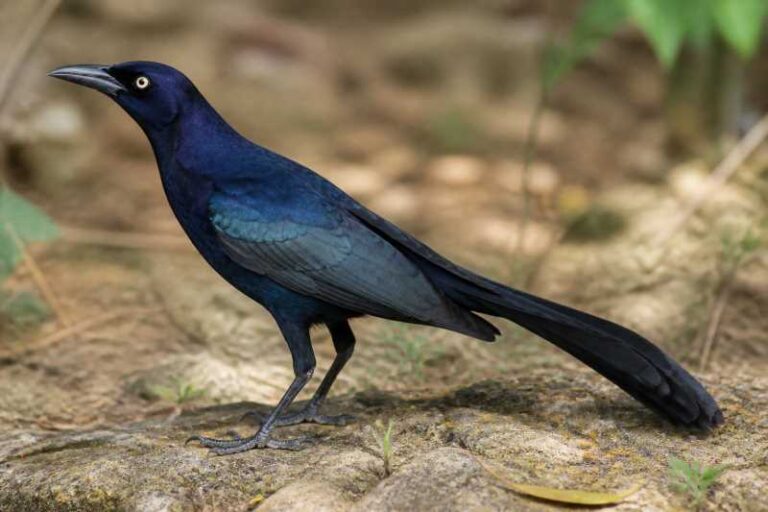
The Rufous-fronted Babbler is a diminutive bird, measuring approximately 12 to 14 centimeters in length. Its most striking feature is its rufous or reddish-brown forehead and crown, which contrasts sharply with its olive-brown body and pale underparts. The bird’s eyes are a deep brown, often giving it an inquisitive expression.
The plumage of the Rufous-fronted Babbler is soft and fluffy, providing essential insulation against the variable temperatures of its mountainous habitat. Its wings are short and rounded, adapted more for maneuverability within dense foliage than for long-distance flight.
Behavior and Diet
Rufous-fronted Babblers are social birds, often seen in small, cohesive groups as they scour the forest for food. Their diet is primarily insectivorous, consisting of a variety of insects and small invertebrates. They use their slender bills to probe into crevices in the bark or among leaves, extracting hidden prey with deft precision.
These birds are also known to forage in mixed-species flocks, a behavior that offers several advantages, including increased protection from predators and enhanced foraging efficiency. By joining forces with other bird species, the Rufous-fronted Babbler can access a wider range of food resources and benefit from the vigilance of the entire flock.
Vocalizations
The vocalizations of the Rufous-fronted Babbler are a key aspect of its identity, with a repertoire of calls that include melodious whistles and sharp chirps. These vocalizations serve various purposes, from marking territory and attracting mates to maintaining group cohesion and alerting others to the presence of predators.
The babbler’s calls are often described as musical and can be a delightful addition to the soundscape of the forest. Birdwatchers and researchers alike rely on these vocal cues to locate the birds, as their cryptic plumage often makes them difficult to spot among the foliage.
Reproduction and Lifespan
The breeding season for the Rufous-fronted Babbler generally coincides with the onset of the wet season, when food resources are abundant. Nesting often takes place in dense shrubbery, with the birds constructing cup-shaped nests using leaves, twigs, and other plant materials.
Both male and female babblers participate in the incubation of eggs and the feeding of chicks, showcasing a high degree of parental cooperation. The typical clutch consists of two to three eggs, which are incubated for about two weeks before hatching. Fledglings are cared for by the group, with older birds playing a role in the protection and feeding of the young.
The lifespan of Rufous-fronted Babblers in the wild is not well-documented, but like many small passerines, they likely have a relatively short lifespan, potentially ranging from 3 to 5 years.
Conservation Status
Currently, the Rufous-fronted Babbler is classified as Least Concern by the International Union for Conservation of Nature (IUCN). However, the bird’s habitat is increasingly threatened by deforestation and habitat fragmentation, driven by logging, agricultural expansion, and infrastructure development.
Conservation efforts are critical to ensuring the long-term survival of the Rufous-fronted Babbler and the rich biodiversity of the forests it inhabits. Protecting large tracts of undisturbed habitat and promoting sustainable forestry practices are essential steps in preserving these ecosystems.
Conclusion
The Rufous-fronted Babbler is a testament to the wonders of avian biodiversity, captivating those fortunate enough to encounter it with its vibrant plumage and enchanting calls. As we continue to study and protect this species, we gain not only insights into its life and behavior but also into the broader ecological dynamics of Southeast Asia’s forests.
Through concerted conservation efforts and increased awareness, we can help ensure that the Rufous-fronted Babbler continues to thrive, enriching the natural world with its presence and reminding us of the intricate beauty of our planet’s avian life.
Related posts