Introduction
The masked shrew, scientifically known as Sorex cinereus, is a fascinating and widely distributed small mammal native to North America. As a member of the Soricidae family, this diminutive insectivore plays a crucial role in the ecosystem by controlling insect populations. Despite its small size, the masked shrew has captured the interest of biologists and nature enthusiasts alike, owing to its adaptability and widespread presence across diverse habitats. This article delves into the life and characteristics of the masked shrew, offering insights into its physical description, habitat preferences, behavior, and conservation status.
Physical Description
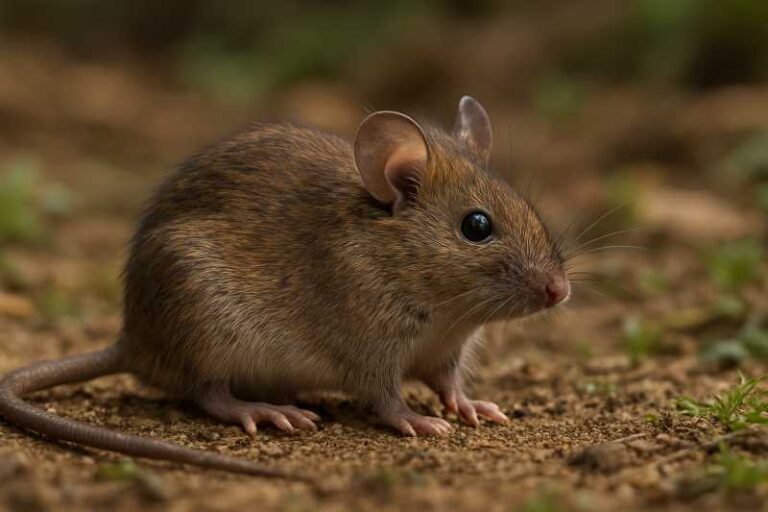
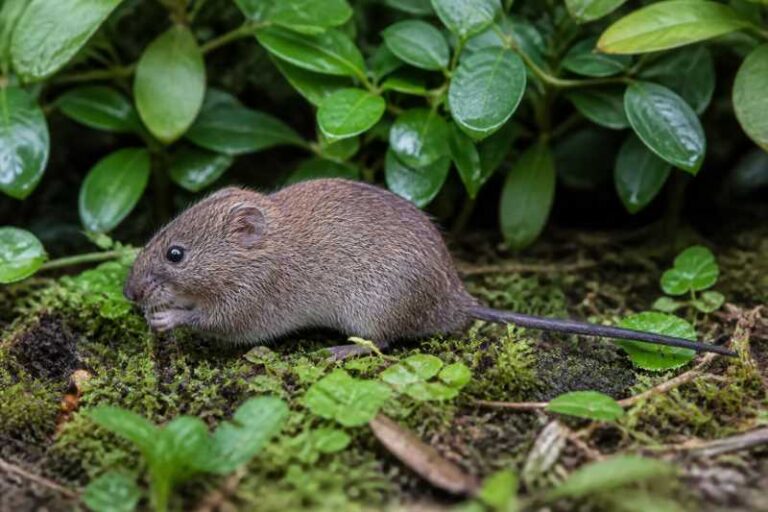
The masked shrew is a small mammal characterized by its slender body and pointed snout, typical of the shrew family. Measuring between 3 to 4 inches in total length, including its tail, this tiny mammal typically weighs between 2.5 to 5 grams. The fur of the masked shrew is a muted brownish-gray on its dorsal side, with a lighter, often whitish belly, providing it with effective camouflage in its natural environment. One of the distinguishing features of the masked shrew is its tiny, beady eyes and relatively large ears compared to other shrew species, which aid in its acute sense of hearing.
The tail of the masked shrew is long and bicolored, with a darker top and lighter underside, often comprising about 40-45% of the total body length. This adaptation is particularly useful for balance and mobility in its varied habitats. The masked shrew’s teeth are another distinctive feature, with its reddish pigmentation due to iron deposits, a characteristic common among shrews that aids in gnawing through tough insect exoskeletons.
Range and Habitat
- Sorex cinereus* is one of the most widely distributed shrew species in North America, with its range extending from the northern reaches of Alaska and Canada down through the United States, even reaching parts of the northern Appalachian Mountains. This extensive range is a testament to the masked shrew’s adaptability to various climatic and environmental conditions.
The habitats preferred by the masked shrew are diverse, encompassing moist forests, grasslands, marshes, and even alpine zones. They thrive in areas with dense ground cover, which provides protection from predators and supports a rich abundance of invertebrate prey. Typically, masked shrews are found in environments where the soil remains moist, as this supports their primary food sources and offers suitable conditions for burrowing and nesting.
Behavior and Diet
Masked shrews are primarily nocturnal, although they can be active during the day, particularly when food is scarce. These solitary creatures are known for their high metabolic rate, which necessitates almost constant foraging to meet their energy needs. It is not uncommon for a masked shrew to consume more than its body weight in food daily.
The diet of the masked shrew consists predominantly of insects and other small invertebrates, including beetles, caterpillars, spiders, and earthworms. Their long, sensitive snouts and whiskers are highly adapted for detecting prey in the leaf litter and soil. Occasionally, they may consume small quantities of plant matter or fungi, but this forms a minor part of their diet.
In terms of behavior, masked shrews are territorial and often engage in aggressive encounters with other shrews. They communicate through high-pitched squeaks and scent markings, which help establish dominance and deter intruders.
Identification Tips (Field Recognition Cues)
Recognizing a masked shrew in the field can be challenging due to its small size and elusive nature. However, there are several key identification tips that can aid in distinguishing Sorex cinereus from other small mammals:
- Size and Shape: Look for a small mammal measuring approximately 3 to 4 inches in length, with a slender, pointed snout.
- Fur Color: Note the grayish-brown fur on the back, transitioning to a lighter belly.
- Tail: Observe the long, bicolored tail, which is characteristic of the species.
- Ears and Eyes: Larger ears and small, beady eyes are distinctive features of the masked shrew.
- Behavior: High activity levels, especially during nighttime, and a propensity to scurry through leaf litter are indicative of shrew activity.
Conservation Status (With Threats and Protections)
The masked shrew is currently classified as a species of Least Concern by the International Union for Conservation of Nature (IUCN), owing to its wide distribution and stable population trends. However, despite this relatively secure status, masked shrews face several threats that could impact their populations if left unaddressed.
Threats:
- Habitat Destruction: Urbanization and agricultural expansion can lead to the loss of suitable habitats.
- Pollution: Pesticides and other chemicals can reduce prey availability and directly harm shrews.
- Climate Change: Altered weather patterns can affect the distribution of the shrew’s habitat and prey.
Protections:
- Protected Areas: Many populations of masked shrews reside in national parks and wildlife reserves, which offer protection from human encroachment.
- Conservation Programs: Initiatives aimed at preserving wetland and forest habitats indirectly benefit masked shrews by maintaining their natural environments.
Frequently Asked Questions
What is the lifespan of a masked shrew?
Masked shrews typically have a short lifespan, averaging around 1 to 2 years in the wild. This is due to their high metabolic rate and the predation pressures they face.
How do masked shrews contribute to the ecosystem?
Masked shrews play a critical role in controlling insect populations, which helps maintain ecological balance. Their foraging activity also aids in soil aeration.
Can masked shrews be kept as pets?
Masked shrews are not suitable as pets due to their specific dietary and environmental needs, as well as their high activity levels and short lifespan.
How do masked shrews communicate?
Masked shrews communicate using high-pitched vocalizations and scent markings to establish territory and deter intruders.
Are masked shrews dangerous to humans?
Masked shrews are not dangerous to humans. They are small, elusive creatures that pose no threat and are beneficial for pest control.
Related posts