Introduction
The Western Rift Brush-furred Rat (Lophuromys medicaudatus) is a small, elusive rodent that inhabits the dense forests of the Albertine Rift region in Central Africa. Known for its unique fur texture and adaptive behaviors, this species plays a vital role in the ecosystem. Despite its importance, relatively little is known about its biology and ecology, making it a subject of interest for researchers and conservationists alike. This article delves into the various aspects of the Western Rift Brush-furred Rat, providing a comprehensive overview of its physical characteristics, habitat, behavior, and conservation status.
Physical Description
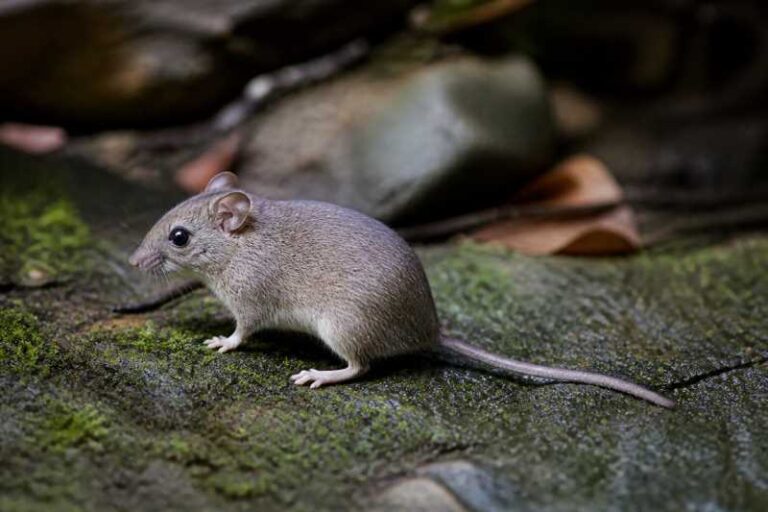
The Western Rift Brush-furred Rat is characterized by its distinct fur, which is dense and brush-like, providing the species with its common name. This fur is typically a mix of brown and gray, allowing the rat to blend seamlessly into the forest floor. Adult rats measure approximately 12 to 15 centimeters in body length, with a tail that adds another 8 to 10 centimeters. The tail is sparsely furred and usually lighter in color.
The species exhibits sexual dimorphism, with males generally larger than females. Their ears are small and rounded, and their eyes are adapted for low-light conditions, reflecting their nocturnal lifestyle. The dental structure of Lophuromys medicaudatus is specifically adapted to a diet consisting of both vegetation and insects, featuring sharp incisors and flat molars.
Range and Habitat
The Western Rift Brush-furred Rat is endemic to the Albertine Rift, a region that spans parts of Uganda, Rwanda, Burundi, and the Democratic Republic of the Congo. This area is part of the larger East African Rift system and is characterized by its mountainous terrain and rich biodiversity.
These rats prefer montane and submontane forests, thriving in altitudes ranging from 1,200 to 2,500 meters. They are often found in dense underbrush, where they can easily hide from predators. The forests in this region are known for their rich, loamy soil, which supports a wide variety of plant and insect life, providing ample food resources for the species.
Behavior and Diet
The Western Rift Brush-furred Rat is primarily nocturnal, foraging for food during the nighttime hours to avoid predators. It is a solitary animal, with individuals only coming together during the breeding season. These rats are adept climbers and often use their agile climbing skills to search for food or escape threats.
Their diet is omnivorous, consisting of fruits, seeds, leaves, and insects. The availability of food in their habitat influences their dietary habits, with some seasonal variation observed. Insects provide a crucial protein source, especially during the breeding season when nutritional needs are higher.
Identification Tips
Field recognition of the Western Rift Brush-furred Rat can prove challenging due to its elusive nature and the dense habitat it occupies. However, certain characteristics can aid in identification:
- Fur Texture and Color: Note the brush-like texture of the fur, which is a mix of brown and gray.
- Size and Proportions: Look for a small rodent with a body length of 12 to 15 cm and a lighter, sparsely furred tail.
- Behavior: Observe nocturnal activity patterns and solitary behavior, except during breeding.
- Habitat: Locate them in dense underbrush within montane and submontane forests.
Conservation Status
The Western Rift Brush-furred Rat is currently listed as "Data Deficient" by the International Union for Conservation of Nature (IUCN), indicating that more research is needed to determine its population trends and threats. Despite this classification, there are several known threats impacting its survival:
- Habitat Loss: Deforestation for agriculture and logging is a significant threat, reducing available habitat.
- Climate Change: Alterations in climate patterns can affect food availability and habitat conditions.
- Predation: Natural predators include birds of prey and carnivorous mammals.
Conservation efforts focus on habitat preservation and research initiatives to better understand the species’ ecology. Protected areas within the Albertine Rift offer some refuge, yet ongoing monitoring and habitat restoration are crucial for its survival.
Frequently Asked Questions
What does the Western Rift Brush-furred Rat eat?
The Western Rift Brush-furred Rat has an omnivorous diet, consuming fruits, seeds, leaves, and insects. Its diet can vary seasonally based on food availability.
Where can the Western Rift Brush-furred Rat be found?
This species is found in the Albertine Rift region of Central Africa, specifically in montane and submontane forests at altitudes of 1,200 to 2,500 meters.
How can you identify a Western Rift Brush-furred Rat?
Key identification features include its brush-like fur texture, a mix of brown and gray coloring, small size, and nocturnal activity patterns.
What are the main threats to the Western Rift Brush-furred Rat?
The primary threats include habitat loss due to deforestation, climate change affecting habitat conditions, and predation by natural predators.
Why is the Western Rift Brush-furred Rat important?
As a part of the forest ecosystem, this species plays a crucial role in seed dispersal and as a prey item for other animals, contributing to biodiversity.
Related posts