Introduction
Albuja’s Climbing Rat, scientifically known as Rhipidomys albujai, is a fascinating species of rodent that belongs to the family Cricetidae. This elusive mammal is named after Ecuadorian mammalogist Luis Albuja, a tribute to his extensive work in the field of mammalogy. Native to the cloud forests of Ecuador, Albuja’s Climbing Rat is a subject of interest for both scientists and conservationists due to its limited range and the ecological pressures it faces. Understanding the biology and ecology of this species is crucial for its conservation and the preservation of its natural habitat.
Physical Description
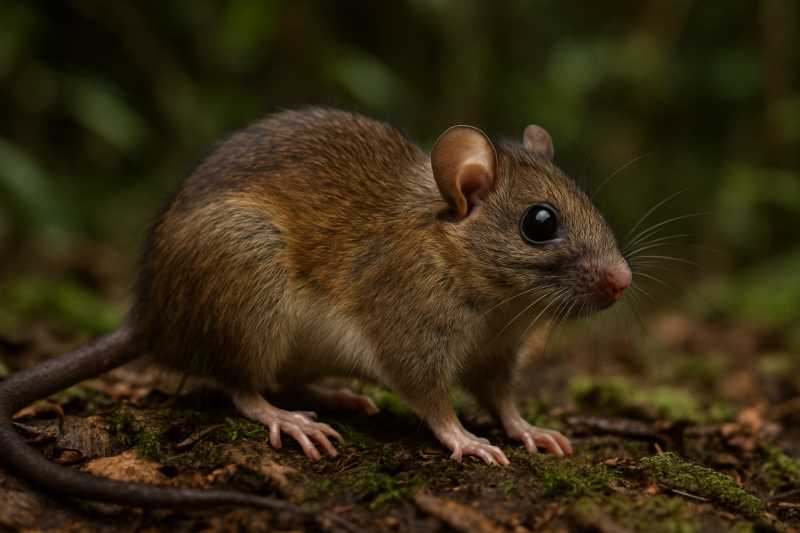
Albuja’s Climbing Rat is a medium-sized rodent, characterized by its agile climbing abilities. It has a robust body with a total length ranging from 25 to 35 centimeters, including the tail. The fur is soft and dense, providing insulation against the cool climatic conditions of its montane forest habitat. The dorsal side features a grayish-brown coloration, while the ventral side is typically white or light gray. This color pattern provides camouflage among the forest canopy. One of the distinguishing features of this species is its long, prehensile tail, which is covered in scales and fur, aiding in balance and grasping branches during climbing.
The face of Albuja’s Climbing Rat is adorned with large, round eyes adapted for nocturnal activity, allowing it to navigate and forage efficiently in low-light conditions. The ears are relatively large and rounded, enhancing its auditory acuity. The incisors are sharp and constantly growing, a characteristic feature of rodents, enabling them to gnaw on a variety of plant materials.
Range and Habitat
Albuja’s Climbing Rat is endemic to Ecuador, specifically found in the Andean cloud forests. These forests are characterized by high humidity, frequent mist, and a diverse array of flora and fauna. The species predominantly inhabits elevations ranging from 1,500 to 3,000 meters above sea level. The cloud forests provide a rich tapestry of vegetation, including epiphytes, mosses, and lianas, which serve as both habitat and food sources for the climbing rat.
The precise distribution of Rhipidomys albujai is not extensively documented, but it is believed to have a restricted range, confined to specific forested areas that remain relatively undisturbed. These forests are critical not only for this species but also for numerous other endemic species that rely on the unique ecological conditions.
Behavior and Diet
Albuja’s Climbing Rat is primarily nocturnal, exhibiting peak activity during the night. This behavior is advantageous in avoiding diurnal predators and taking advantage of the cooler temperatures of the night. It is an arboreal species, spending most of its life in the trees. It is an adept climber, using its prehensile tail and sharp claws to navigate the complex forest canopy.
The diet of Rhipidomys albujai is omnivorous, consisting of fruits, seeds, leaves, and occasionally small invertebrates. This varied diet allows it to exploit different food resources available within its habitat. The consumption of seeds also plays a role in seed dispersal, contributing to forest regeneration and plant diversity.
Identification Tips (Field Recognition Cues)
Identifying Albuja’s Climbing Rat in the field requires attention to several key characteristics:
- Tail: Look for the distinctive long, prehensile tail that is often used for balance and climbing.
- Fur Coloration: Note the contrast between the grayish-brown dorsal fur and the lighter ventral side.
- Size and Shape: Observe the medium size and robust body structure typical of this species.
- Nocturnal Activity: Spotting this species is more likely during nighttime when it is active.
- Habitat Preference: Focus on cloud forests within the elevation range of 1,500 to 3,000 meters.
Conservation Status (With Threats and Protections)
Currently, Albuja’s Climbing Rat is listed as a species of concern due to its limited distribution and the increasing threats to its habitat. The primary threat to the species is habitat destruction resulting from agricultural expansion, logging, and infrastructure development. These activities lead to fragmentation and degradation of the cloud forests, severely impacting the ecological balance and availability of resources.
Conservation efforts are crucial to protect this species and its habitat. Protected areas and ecological reserves within Ecuador provide some refuge for the species, yet enforcement of conservation laws and sustainable land-use practices are essential. Further research is needed to better understand the population dynamics, habitat requirements, and ecological role of Rhipidomys albujai to develop effective conservation strategies.
Frequently Asked Questions
1. What is the scientific name of Albuja’s Climbing Rat?
The scientific name of Albuja’s Climbing Rat is Rhipidomys albujai. It is a member of the family Cricetidae, which includes various species of climbing rats.
2. Where can Albuja’s Climbing Rat be found?
Albuja’s Climbing Rat is endemic to Ecuador, specifically inhabiting the Andean cloud forests at elevations between 1,500 and 3,000 meters.
3. What does Albuja’s Climbing Rat eat?
The diet of Albuja’s Climbing Rat is omnivorous, consisting of fruits, seeds, leaves, and occasionally small invertebrates. This varied diet supports its nutritional needs and plays a role in seed dispersal.
4. Why is Albuja’s Climbing Rat considered a species of concern?
Albuja’s Climbing Rat is considered a species of concern due to its limited range and the threats posed by habitat destruction from agricultural expansion, logging, and infrastructure development.
5. How do conservation efforts protect Albuja’s Climbing Rat?
Conservation efforts focus on protecting and restoring the cloud forest habitats, establishing protected areas, and promoting sustainable land-use practices to mitigate the threats to Albuja’s Climbing Rat.
Related posts