Introduction
The Boquete Rice Rat, scientifically known as Nephelomys devius, is a fascinating rodent species native to Central America. This small mammal is part of the Cricetidae family and is closely associated with the lush, mountainous regions of Panama. Despite its name, the Boquete Rice Rat is not a pest in agricultural settings but rather plays a unique role in its natural ecosystem. Understanding more about this elusive species can provide insights into the biodiversity and ecological balance of its habitat.
Physical Description
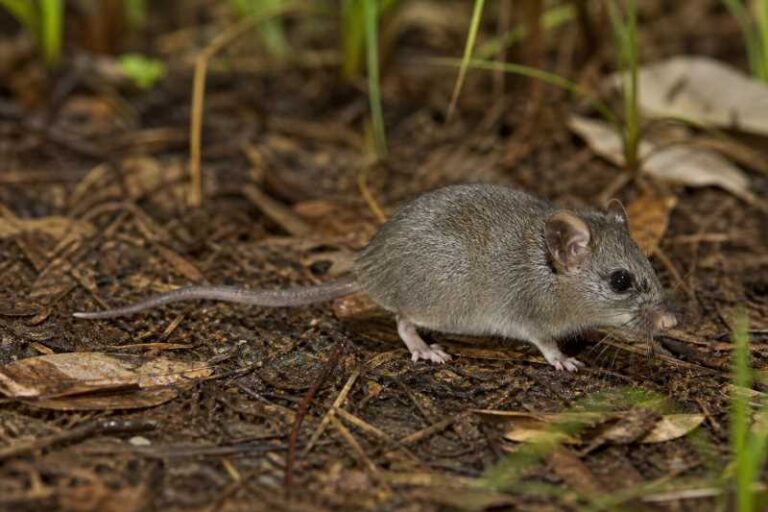
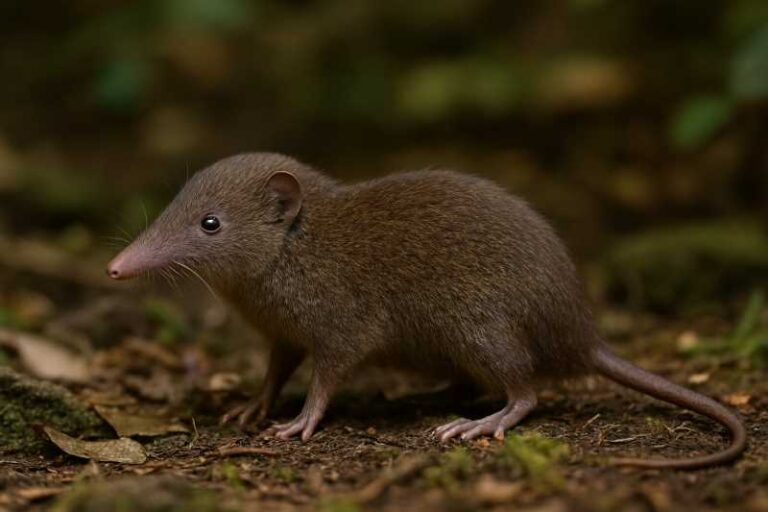
The Boquete Rice Rat is a medium-sized rodent distinguished by its soft, dense fur that provides insulation against the cooler mountain temperatures. The fur is typically a rich brown on the dorsal side, transitioning to a lighter, almost white hue on the ventral side. Adult Boquete Rice Rats generally measure between 12 to 18 centimeters in body length, with a tail that is almost equal in length to the body, aiding in balance and agility in their arboreal habitat. The species features small, rounded ears and a pointed snout, characteristics that are typical of many rodent species. Their sharp incisors are adapted for gnawing on a variety of food sources available in their environment.
Range and Habitat
Nephelomys devius is endemic to the highland regions of Panama, with a significant population concentrated around the Boquete area, from which it derives its common name. These rats thrive in cloud forests that offer dense vegetation and a rich array of food resources. The elevation at which they are commonly found ranges from 1,200 to 2,200 meters above sea level. This specific habitat provides the cool, humid conditions ideal for their survival.
The cloud forests of Panama are characterized by frequent mists, high humidity, and a diverse ecosystem that supports a wide variety of plant and animal species. The Boquete Rice Rat’s habitat is often interspersed with streams and rivers, contributing to the lush vegetation and providing essential water sources.
Behavior and Diet
The Boquete Rice Rat is primarily nocturnal, spending most of its active hours foraging for food under the cover of darkness. This rodent has an omnivorous diet, consisting of seeds, fruits, insects, and small invertebrates. Its role as both predator and prey within its ecosystem highlights its importance in the food chain, aiding in seed dispersal and controlling insect populations.
Socially, the Boquete Rice Rat tends to be solitary, except during mating seasons when brief interactions with conspecifics occur. Breeding typically results in small litters, and the young are cared for by the mother until they are independent.
Identification Tips
Field identification of the Boquete Rice Rat can be challenging due to its nocturnal nature and the dense habitat it occupies. However, there are several features to note for accurate identification:
- Fur Color: Look for the distinct brown dorsal fur, contrasted with the lighter, creamy underside.
- Tail Length: The tail is nearly as long as the body, aiding in balance.
- Size: Medium-sized relative to other sympatric rodent species, measuring about 12-18 cm in body length.
- Behavioral Cues: Typically observed during night foraging, often heard rustling through leaf litter.
Recognizing these characteristics can aid researchers and enthusiasts in distinguishing the Boquete Rice Rat from similar species in the region.
Conservation Status
The Boquete Rice Rat is currently classified as "Least Concern" by the International Union for Conservation of Nature (IUCN). However, its population is subject to several threats that could impact its status in the future. Habitat destruction due to agriculture, logging, and human settlement poses significant risks to the cloud forests it inhabits.
Conservation efforts are focused on habitat preservation and mitigating human impact. National parks and protected areas within Panama play a crucial role in maintaining the natural environment necessary for the survival of this species. Continued research and monitoring are essential to ensure the Boquete Rice Rat remains a thriving component of its ecosystem.
Frequently Asked Questions
What does the Boquete Rice Rat eat? The Boquete Rice Rat is an omnivore, feeding on a diet of seeds, fruits, insects, and small invertebrates. This varied diet allows it to adapt to the available resources in its cloud forest habitat.
Where can the Boquete Rice Rat be found? This species is endemic to the highland regions of Panama, particularly concentrated in the cloud forests around the Boquete area. It thrives at elevations ranging from 1,200 to 2,200 meters.
How can I identify a Boquete Rice Rat in the wild? Identifying the Boquete Rice Rat involves observing its medium size, distinctive brown dorsal and creamy ventral fur, and long tail. Note its nocturnal behavior and preference for dense vegetation.
Is the Boquete Rice Rat endangered? Currently, the Boquete Rice Rat is classified as "Least Concern." However, habitat destruction poses a potential threat, and ongoing conservation efforts are necessary to maintain its population.
What role does the Boquete Rice Rat play in its ecosystem? As an omnivore, the Boquete Rice Rat contributes to seed dispersal and insect population control, playing a vital role in maintaining ecological balance in its cloud forest habitat.
Related posts