Introduction
The Yucatán Deermouse, scientifically known as Peromyscus yucatanicus, is an intriguing mammal species native to the Yucatán Peninsula. An integral component of its ecosystem, this small rodent plays a crucial role in seed dispersion and serves as prey for various predators. Despite its size, the Yucatán Deermouse is a subject of scientific interest due to its unique adaptations and behaviors. This article delves into the various aspects of the Yucatán Deermouse, including its physical traits, habitat preferences, behavior, and conservation status.
Physical Description
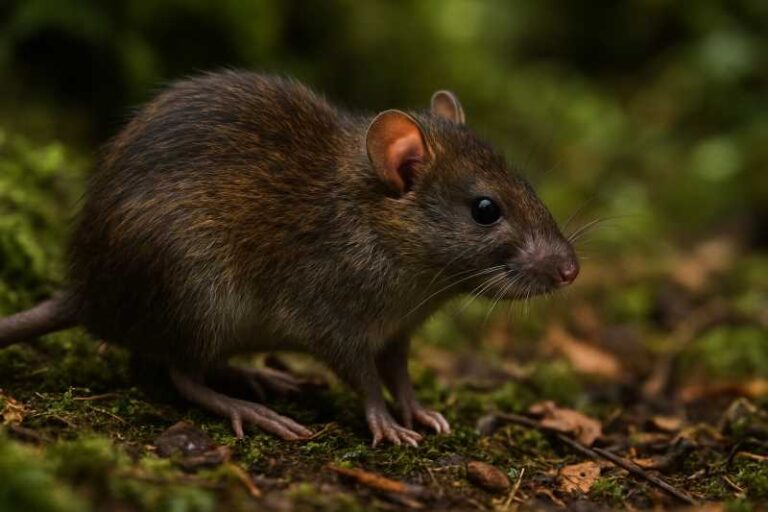
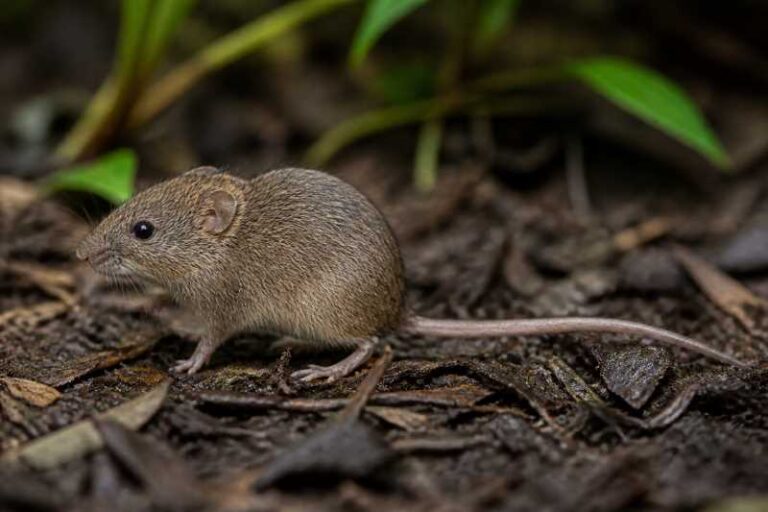
The Yucatán Deermouse is a small rodent, typically weighing between 30 to 50 grams and measuring from 15 to 20 centimeters in total length, including its tail. The species is characterized by its soft, dense fur, which is generally grayish-brown on the dorsal side and lighter, often white or cream, on the ventral side. The tail is notably long, often equaling or exceeding the body length, and is covered with short hairs.
The species’ most distinguishing feature is its large, prominent eyes and ears, adaptations that enhance its nocturnal lifestyle. These features, along with its agile limbs, aid in its foraging activities and predator evasion. Its dentition is typical of the genus Peromyscus, with sharp incisors adapted for gnawing.
Range and Habitat
The Yucatán Deermouse is endemic to the Yucatán Peninsula, which includes parts of Mexico, Belize, and Guatemala. Its range is predominantly within tropical and subtropical regions, where it thrives in various habitats.
Commonly found in lowland tropical forests, the Yucatán Deermouse favors areas with dense vegetation that provide ample cover from predators. It is also found in secondary forests, shrublands, and occasionally in agricultural lands where its presence is dictated by the availability of food and shelter.
Behavior and Diet
The Yucatán Deermouse is primarily nocturnal. Its activity peaks during the night when it forages for food and explores its territory. This species is generally solitary, although overlapping home ranges may occur in areas with abundant resources.
Its diet consists mainly of seeds, fruits, and insects. The Yucatán Deermouse plays a vital ecological role through seed dispersal, contributing to forest regeneration. It uses its acute sense of smell to locate food and its sharp incisors to access it.
Identification Tips (Field Recognition Cues)
Identifying the Yucatán Deermouse in the field requires attention to several key characteristics:
- Fur Coloration: Look for a grayish-brown dorsal side with a lighter ventral side.
- Size: Note the small size, with a total length of 15 to 20 cm, including the tail.
- Tail: A long tail, often as long as or longer than the body, is a notable feature.
- Eyes and Ears: Large eyes and ears are adapted for nocturnal activity.
Conservation Status (with Threats and Protections)
The Yucatán Deermouse is currently listed as Least Concern by the IUCN Red List. However, its population faces several threats, primarily habitat loss due to deforestation and land conversion for agriculture.
Conservation efforts focus on habitat preservation and the implementation of sustainable land-use practices. Protected areas within the Yucatán Peninsula provide refuge for this species, ensuring its continued survival.
Frequently Asked Questions
What is the primary habitat of the Yucatán Deermouse?
The Yucatán Deermouse primarily inhabits lowland tropical forests with dense vegetation, providing ample cover from predators and abundant food resources.
What does the Yucatán Deermouse eat?
It feeds on a diet of seeds, fruits, and insects, playing a crucial role in seed dispersal and forest regeneration.
Is the Yucatán Deermouse endangered?
Currently, it is listed as Least Concern, but habitat loss due to deforestation poses a significant threat to its population.
How can you identify a Yucatán Deermouse?
Look for its grayish-brown dorsal fur, lighter ventral side, long tail, and large eyes and ears, which are adaptations for its nocturnal lifestyle.
Where is the Yucatán Deermouse found?
The species is endemic to the Yucatán Peninsula, spanning parts of Mexico, Belize, and Guatemala.
Related posts