Introduction
The Shantar Vole, scientifically known as Alexandromys shantaricus, is a small mammal that has garnered interest among mammalogists and ecologists due to its limited distribution and unique habitat preferences. Found primarily in the Shantar Islands of Russia, this vole species is an integral part of the local ecosystem. As a relatively lesser-known species, the Shantar Vole provides valuable insights into the biodiversity and ecological dynamics of the region.
Understanding the Shantar Vole is crucial, not just for those interested in rodent species, but also for conservationists who aim to preserve the delicate balance of the island ecosystems. This article delves into the various aspects of the Shantar Vole, from its physical characteristics to its behavior, habitat preferences, and conservation status.
Physical Description
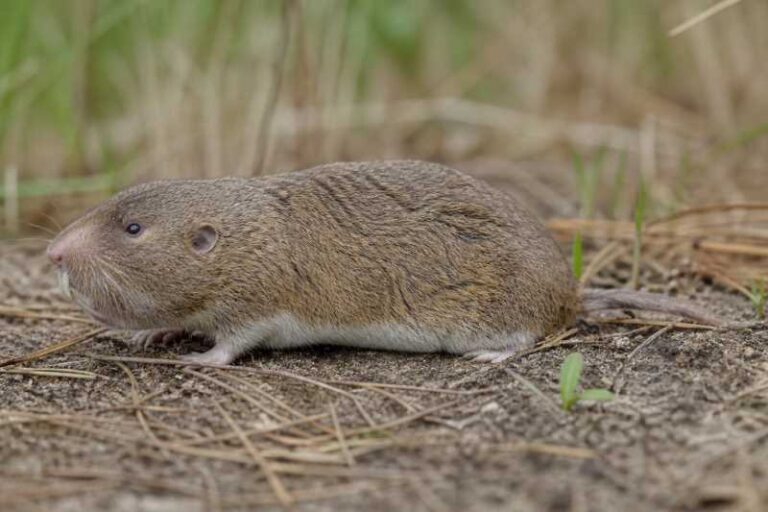
The Shantar Vole is a small rodent characterized by its compact and robust body. Typically, an adult vole measures about 10-12 cm in body length, with a tail length of approximately 3-5 cm. The body is covered in dense, soft fur that provides insulation against the cold climate of its habitat. The fur is predominantly grayish-brown, with lighter underparts that aid in camouflage against the ground cover and rocky terrain.
The vole’s eyes are small and beady, adapted to its crepuscular lifestyle, while its ears are rounded and partially concealed by fur. The incisors are sharp and ever-growing, suitable for gnawing on tough vegetation and roots. Overall, the Shantar Vole’s physical adaptations are well-suited for survival in its cool, moist environment.
Range and Habitat
The Shantar Vole is endemic to the Shantar Islands, a remote archipelago located in the Sea of Okhotsk, off the eastern coast of Russia. This isolated range makes the species particularly interesting from an evolutionary standpoint, as it has adapted to the specific environmental conditions of the islands.
The voles inhabit a variety of terrestrial habitats within the islands, including coastal meadows, tundra, and forested areas. They prefer regions with dense vegetation cover, which provides both food and protection from predators. The Shantar Islands’ climate is characterized by cold winters and cool, moist summers, conditions to which the Shantar Vole has adapted over time.
Behavior and Diet
The Shantar Vole is primarily crepuscular, being most active during the twilight hours of dawn and dusk. This behavior helps it avoid many of its natural predators, such as birds of prey and carnivorous mammals. The vole is a social species, often found in small colonies that share underground burrow systems.
Diet-wise, the Shantar Vole is herbivorous, feeding on a variety of plant materials. Its diet includes grasses, sedges, and the shoots of shrubs. During the warmer months, it may also consume seeds and berries. The vole’s foraging activities contribute to seed dispersal and soil aeration, playing a vital role in the local ecosystem.
Identification Tips (Field Recognition Cues)
Identifying the Shantar Vole in the field requires attention to several key features:
- Size and Shape: Look for a small, compact rodent with a body length of 10-12 cm and a short tail.
- Fur Coloration: Note the grayish-brown fur with lighter underparts, which help it blend into its surroundings.
- Habitat: Typically found in dense vegetation within coastal meadows or tundra.
- Behavior: Primarily active during dawn and dusk, often seen foraging for plant materials.
- Social Structure: Observing small colonies or groups can be a strong indicator of the presence of Shantar Voles.
Conservation Status (with Threats and Protections)
The conservation status of the Shantar Vole is currently listed as "Data Deficient" by the International Union for Conservation of Nature (IUCN) due to limited information on its population size and trends. However, being restricted to the Shantar Islands means that the species is vulnerable to habitat changes and environmental disruptions.
Threats:
- Climate Change: Alterations in temperature and precipitation patterns could impact the vole’s habitat and food availability.
- Human Activity: Although the islands are largely uninhabited, any increase in human activity for resource extraction or tourism could pose a threat.
- Predation: Natural predators include birds of prey and carnivorous mammals, which could impact vole populations if predator numbers increase.
Protections:
- The Shantar Islands are part of a natural reserve, offering some level of habitat protection.
- Conservation efforts focus on monitoring vole populations and understanding ecological dynamics to inform potential conservation strategies.
Frequently Asked Questions
1. What is the habitat of the Shantar Vole?
The Shantar Vole inhabits the Shantar Islands in the Sea of Okhotsk, preferring coastal meadows, tundra, and forested areas with dense vegetation.
2. How does the Shantar Vole adapt to its environment?
The vole has developed physical adaptations like dense fur for insulation, and behavioral adaptations such as crepuscular activity patterns to avoid predators.
3. What does the Shantar Vole eat?
It primarily feeds on grasses, sedges, and shrub shoots, supplementing its diet with seeds and berries during the warmer months.
4. Are there any conservation efforts for the Shantar Vole?
Yes, the Shantar Islands’ designation as a natural reserve provides habitat protection, and ongoing research aims to better understand and conserve this species.
5. Why is the conservation status of the Shantar Vole "Data Deficient"?
There is limited information on its population size and trends, making it difficult to assess its conservation status accurately.
Related posts