Samana Hutia (Plagiodontia ipnaeum): A Comprehensive Guide
Introduction
The Samana Hutia, scientifically known as Plagiodontia ipnaeum, is a rare and fascinating mammal species native to the Dominican Republic. As a member of the hutia family, this rodent-like creature is an intriguing subject for biodiversity enthusiasts and conservationists alike. This article delves into the various aspects of the Samana Hutia, including its physical characteristics, habitat, behavior, diet, and conservation status, providing a thorough understanding of this unique species.
Physical Description
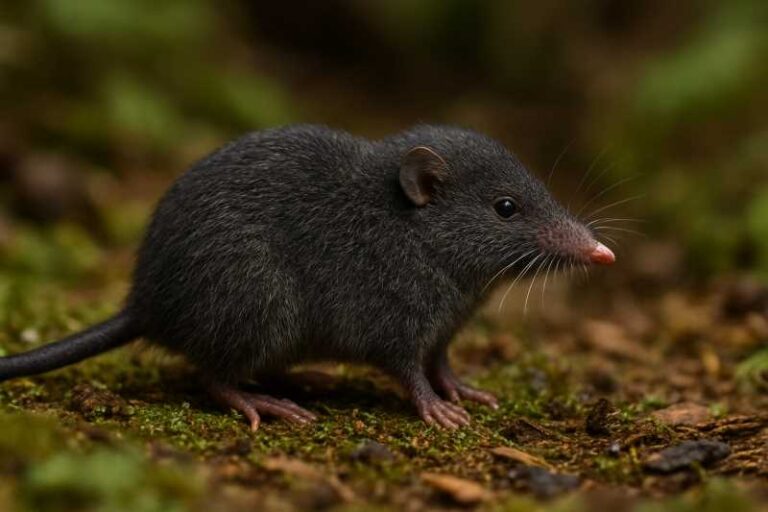
The Samana Hutia is a medium-sized rodent with a robust body and short limbs. It typically measures between 30 to 40 centimeters in length, excluding the tail, which adds another 10 to 20 centimeters. The hutia’s fur is dense and coarse, predominantly grayish-brown, which aids in camouflaging within its natural habitat. Its rounded head is equipped with small, rounded ears and large, dark eyes, giving it a somewhat endearing appearance. The incisors are prominent, indicative of its herbivorous diet.
Distinguishing Features
- Fur Texture and Color: The coarse, grayish-brown fur provides excellent camouflage.
- Tail: The tail is relatively short compared to its body, aiding in balance and agility.
- Ears and Eyes: Small ears and large eyes are adapted to its nocturnal lifestyle.
- Teeth: Sharp incisors are specialized for gnawing on tough vegetation.
Range and Habitat
The Samana Hutia is endemic to the Samaná Peninsula in the Dominican Republic. It inhabits a range of environments, from lowland forests to mountainous regions, displaying remarkable adaptability. These creatures prefer dense, humid forests where they can find ample food sources and shelter. Their habitats are often characterized by a rich understory and abundant canopy cover, providing protection from predators and human disturbances.
Habitat Preferences
- Forest Density: Prefers dense, humid forests.
- Altitude Range: Inhabits both lowland and montane areas.
- Cover: Requires thick understory and canopy for protection.
Behavior and Diet
The Samana Hutia is primarily nocturnal, spending daylight hours hidden in burrows or dense vegetation. These social animals often live in small family groups, exhibiting complex social structures. Communication among hutias involves a series of vocalizations and scent markings.
Dietary Habits
As herbivores, Samana Hutias primarily feed on leaves, fruits, and bark. Their sharp incisors are perfectly adapted for gnawing on tough plant material, enabling them to exploit a variety of food sources within their habitat.
- Primary Diet: Leaves, fruits, and bark.
- Foraging Behavior: Nocturnal foraging in small groups.
- Adaptations: Sharp incisors for gnawing.
Identification Tips
Identifying the Samana Hutia in the wild requires keen observation and knowledge of its distinguishing features. Here are some field recognition cues:
- Size and Shape: Look for a medium-sized rodent with a stout body and short limbs.
- Fur: Note the coarse, grayish-brown fur that blends into the forest floor.
- Tail: Observe the relatively short tail, often used for balance.
- Activity Pattern: Spot them during nighttime hours when they are most active.
Conservation Status
The Samana Hutia is currently listed as an endangered species, facing numerous threats that jeopardize its survival. Habitat destruction due to deforestation and agricultural expansion is the most significant threat. Additionally, hunting for bushmeat poses a direct risk to their population.
Threats
- Habitat Loss: Deforestation and land conversion.
- Hunting: Targeted for bushmeat by local communities.
Conservation Efforts
Several conservation initiatives are underway to protect the Samana Hutia. These include habitat restoration projects, legal protections, and community awareness programs aimed at reducing hunting pressures.
- Legal Protections: Enforced hunting restrictions.
- Habitat Restoration: Reforestation and protection of critical habitats.
- Community Engagement: Education and outreach to local populations.
Frequently Asked Questions
What does the Samana Hutia eat?
The Samana Hutia primarily feeds on leaves, fruits, and bark, utilizing its sharp incisors to process tough plant materials.
Where can I find the Samana Hutia?
This species is endemic to the Samaná Peninsula in the Dominican Republic, thriving in dense, humid forests with ample canopy cover.
Why is the Samana Hutia endangered?
The primary threats to the Samana Hutia include habitat loss due to deforestation and hunting for bushmeat, leading to its endangered status.
How does the Samana Hutia communicate?
Samana Hutias communicate through vocalizations and scent markings, which are used to coordinate group activities and establish territories.
What conservation measures are in place for the Samana Hutia?
Conservation measures include habitat restoration, legal protections against hunting, and community engagement to raise awareness about the species’ plight.
Related posts