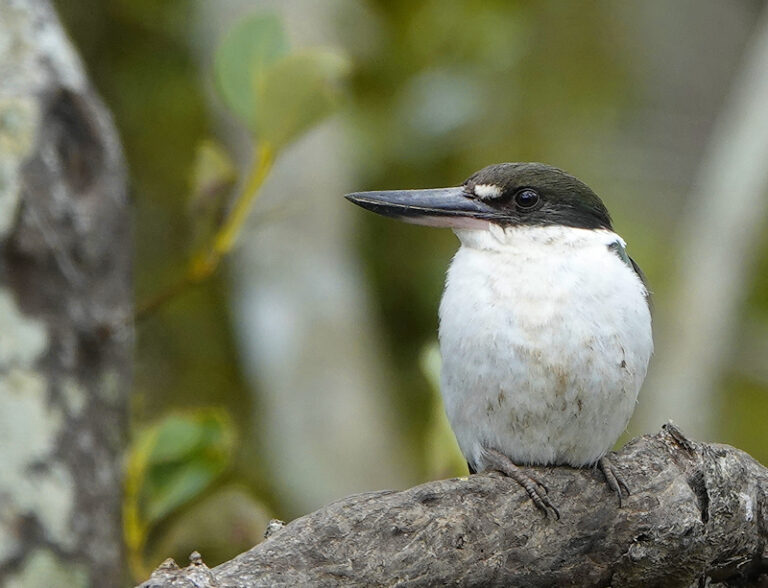
The Vibrant Red-throated Parrotfinch: A Jewel of the Avian World
The Red-throated Parrotfinch (Erythrura psittacea), a striking member of the family Estrildidae, is a small passerine bird that captures the imagination with its vibrant plumage and charming demeanor. This avian species, native to the lush islands of the South Pacific, particularly New Caledonia, is renowned for its vivid coloration and melodic calls, making it a subject of interest for ornithologists and bird enthusiasts alike.
Taxonomy and Classification
Belonging to the genus Erythrura, the Red-throated Parrotfinch is closely related to other parrotfinches that are characterized by their colorful appearance and sociable nature. The genus name ‘Erythrura’ is derived from the Greek words ‘erythros’ meaning red, and ‘oura’ meaning tail, which aptly describes the bright plumage seen in these species. The specific epithet ‘psittacea’ is a nod to the bird’s parrot-like features, including its vibrant colors and stout beak.
Physical Characteristics
The Red-throated Parrotfinch is relatively small, measuring about 11-12 cm in length. The most distinctive feature of this bird is its iridescent plumage, predominantly green with a striking red throat and face, which fades into a softer, more subdued green on the back and wings. The vibrant red extends to the cheeks and throat, creating a stark contrast against the surrounding green plumage. The tail feathers are also a brilliant red, further contributing to its colorful appearance.
Both males and females exhibit similar coloration, although the males tend to have a slightly brighter and more intense hue. This dimorphism, though subtle, is often used by experts during breeding studies to distinguish between genders in natural settings.
Habitat and Distribution
The Red-throated Parrotfinch is endemic to the island of New Caledonia, where it inhabits a variety of environments ranging from humid forests and woodlands to gardens and plantations. The bird thrives in areas with dense foliage, which provide ample food sources and nesting sites. Its adaptability to different habitats has allowed it to maintain a stable population, though deforestation and habitat degradation pose potential threats.
Diet and Feeding Behavior
This parrotfinch primarily feeds on seeds, with a preference for those of grasses and small plants. However, its diet is not strictly limited to seeds; it also consumes small insects and larvae, especially during the breeding season when the demand for protein increases. The bird’s stout, conical beak is perfectly adapted for seed consumption, allowing it to crack open hard shells with ease.
In the wild, the Red-throated Parrotfinch can often be seen foraging in flocks, a behavior that not only increases foraging efficiency but also offers protection against predators. This social feeding behavior is characteristic of many estrildid finches and is an essential aspect of their ecological success.
Reproduction and Nesting
Breeding in the Red-throated Parrotfinch is closely tied to the availability of food resources. The breeding season typically occurs during the wet season when seeds and insects are abundant. Pairs form strong monogamous bonds, often lasting for several breeding seasons.
Nests are constructed in dense foliage or within the cavities of trees, providing protection from predators and the elements. The female typically lays a clutch of four to six eggs, which are incubated for about two weeks. Both parents partake in the nurturing and feeding of the chicks, which fledge approximately three weeks after hatching.
Conservation and Threats
Currently, the Red-throated Parrotfinch is classified as Least Concern by the International Union for Conservation of Nature (IUCN). Despite its stable population, ongoing habitat destruction due to logging and agricultural expansion poses a significant threat. Conservation efforts are focused on preserving natural habitats and promoting sustainable land-use practices in New Caledonia.
The bird’s popularity among aviculturists has also led to concerns about illegal trapping and trade. While it is bred in captivity, wild-caught individuals are sometimes illegally exported, which could impact local populations if not properly managed.
Conclusion
The Red-throated Parrotfinch is a vibrant testament to the beauty and diversity of avian life. Its striking appearance and engaging behavior make it a favorite among bird watchers and researchers. As with many species, maintaining its habitat and addressing potential threats are crucial to ensuring its continued survival. By understanding and appreciating the ecological role of this colorful finch, we can work towards a future where it continues to thrive in its natural habitat.
For those interested in observing the Red-throated Parrotfinch in its natural setting, a trip to New Caledonia promises an opportunity to witness one of nature’s most vibrant avian spectacles.
Meta Title
“Red-throated Parrotfinch: A Jewel of the Avian World”
Meta Description
“Explore the vibrant Red-throated Parrotfinch, its habitat, behavior, and conservation status in this comprehensive article.”
Related posts