Understanding the Yellow-rumped Flowerpecker: A Jewel of Southeast Asia’s Avian World
Introduction
The Yellow-rumped Flowerpecker (Prionochilus xanthopygius) is a striking bird species endemic to the lush forests of Southeast Asia. Known for its vibrant plumage and unique foraging habits, this small avian species plays a vital role in the ecosystem as both a pollinator and seed disperser. Despite its diminutive size, the Yellow-rumped Flowerpecker is a key player in maintaining the health and diversity of its forest habitat.
Taxonomy and Distribution
Belonging to the family Dicaeidae, the Yellow-rumped Flowerpecker is one of several species within the genus Prionochilus. It is primarily found in the tropical lowland and montane forests of Borneo, Sumatra, and the Malay Peninsula. This bird tends to inhabit areas rich in fruiting trees and flowering plants, which provide ample food resources and breeding opportunities.
Physical Characteristics
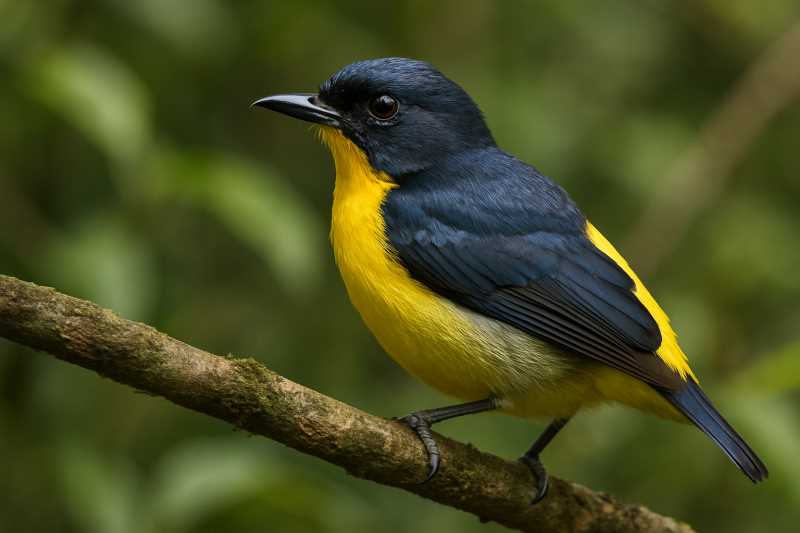
The Yellow-rumped Flowerpecker is named for its distinctive yellow patch on the rump, which stands out against its predominantly olive-green upperparts. The underparts are lighter, often showing a subtle cream or pale yellow hue. Males and females display similar plumage, although males may exhibit slightly brighter coloration. Measuring about 9 to 10 centimeters in length, this species is characterized by its short, stout bill, which is perfectly adapted for its frugivorous diet.
Behavior and Diet
This flowerpecker is primarily frugivorous, with a diet consisting mainly of small fruits and berries. It is particularly fond of mistletoe berries, which it helps disperse through its droppings. The Yellow-rumped Flowerpecker also feeds on nectar, playing a crucial role as a pollinator for various flowering plants. Its foraging behavior is marked by quick, agile movements as it flits between branches, using its bill to pluck fruit and sip nectar.
The species is often observed in pairs or small family groups, engaging in social activities such as grooming and vocalizing. Their calls are high-pitched and musical, often described as a series of sharp “tsip” or “chip” notes. These vocalizations serve various purposes, from signaling alarm to maintaining contact with other group members.
Breeding and Nesting
The breeding season for the Yellow-rumped Flowerpecker typically coincides with the peak fruiting period of its habitat, ensuring ample food supply for raising chicks. The female constructs a small, cup-shaped nest from plant fibers, moss, and spider silk, often suspended from a branch. She lays a clutch of two to three eggs, which she incubates for about two weeks.
Both parents are involved in feeding the chicks, diligently bringing back regurgitated fruit and insects. The fledglings leave the nest after approximately three weeks, though they may remain under parental care for some time afterward, honing their foraging skills and learning essential survival behaviors.
Conservation Status and Threats
The International Union for Conservation of Nature (IUCN) currently lists the Yellow-rumped Flowerpecker as a species of Least Concern. However, like many forest-dependent species, it faces threats from habitat loss due to deforestation and land-use change. Logging, agricultural expansion, and urban development continue to reduce the availability of suitable habitats, posing a long-term threat to its populations.
Conservation efforts are crucial to ensure the survival of the Yellow-rumped Flowerpecker and the rich biodiversity of its forest home. Protected areas and national parks within its range provide some refuge, but sustainable land management and reforestation initiatives are essential for preserving these vital ecosystems.
Ecological Importance
Beyond its aesthetic appeal, the Yellow-rumped Flowerpecker plays a critical ecological role. As both a pollinator and seed disperser, it contributes to the regeneration and diversity of its forest habitat. Its consumption of mistletoe berries, in particular, helps control the growth of this parasitic plant, maintaining the health of host trees.
By spreading seeds and aiding in plant reproduction, the Yellow-rumped Flowerpecker supports the complex web of life that relies on a healthy forest ecosystem. Its presence is an indicator of ecological balance, and its decline could signal broader environmental issues within its range.
Conclusion
The Yellow-rumped Flowerpecker is a remarkable species that exemplifies the intricate relationships found in nature. Its vibrant colors and dynamic behaviors make it a favorite among birdwatchers and naturalists. Preserving its habitat and ensuring its continued survival is vital not only for the species itself but also for the health of Southeast Asia’s tropical forests.
Through concerted conservation efforts and increased awareness, we can protect the Yellow-rumped Flowerpecker and the diverse ecosystems it inhabits. By valuing and safeguarding our natural heritage, we ensure a future where this small yet significant bird continues to thrive and enchant generations to come.
Related posts