The Enigmatic Pin-tailed Green Pigeon: A Jewel of the Forest Canopy
The Pin-tailed Green Pigeon (Treron apicauda) is a remarkable species that captures the essence of the tropical forests of South and Southeast Asia. With its vibrant plumage and distinctive features, this bird represents not only a marvel of avian evolution but also an important component of its native ecosystems. This article delves deep into the unique aspects of the Pin-tailed Green Pigeon, examining its behavior, habitat, and the conservation efforts aimed at preserving this exquisite species.
A Closer Look at the Pin-tailed Green Pigeon
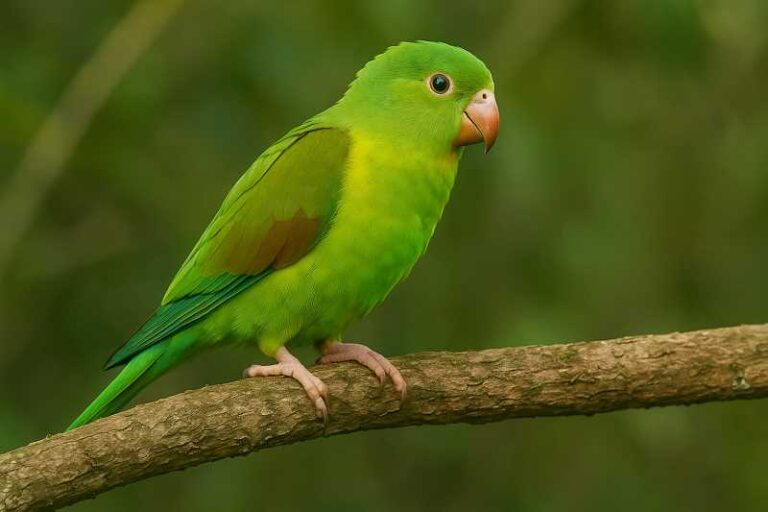
The Pin-tailed Green Pigeon is a member of the Columbidae family and is known for its striking appearance. Measuring approximately 29 to 32 centimeters in length, this bird boasts a predominantly green plumage, which provides excellent camouflage in its leafy habitat. The males are particularly colorful, with a characteristic maroon patch on their wings and a distinctive long, pointed tail that gives the species its name. Females, while also beautiful, exhibit more subdued coloration.
This bird’s vibrant appearance is not merely for show; it plays a crucial role in its survival. The green plumage helps it blend seamlessly into the canopy, protecting it from predators. Additionally, the maroon wing patch of the males is thought to play a role in mating displays and territorial defense.
Habitat and Distribution
The Pin-tailed Green Pigeon is found primarily in the subtropical and tropical moist lowland forests of South Asia, ranging from the foothills of the Himalayas through Northeast India, Bangladesh, Bhutan, and parts of Myanmar, Thailand, Laos, and Vietnam. These birds are highly arboreal, spending most of their lives in the forest canopy where they feed, mate, and nest.
Their diet consists mainly of fruits, especially figs, which they deftly pluck from branches. This frugivorous diet not only supports their nutritional needs but also positions them as important seed dispersers, contributing to the regeneration of their forest habitats.
Behavioral Traits and Social Structure
Pin-tailed Green Pigeons are known for their social nature. They often congregate in small flocks, especially when feeding. These flocks can sometimes merge with other fruit-eating birds, forming mixed-species feeding groups that enhance foraging success and predator vigilance.
Their calls are a series of soft, repetitive coos that can be heard echoing through the forest. During the breeding season, males engage in elaborate courtship displays, showcasing their vibrant plumage and performing aerial acrobatics to attract females.
Reproduction and Lifecycle
Breeding typically occurs in the warmer months, with variations depending on the region. The Pin-tailed Green Pigeon builds a simple nest of twigs in the forks of trees, where the female lays one to two eggs. Both parents take turns incubating the eggs and caring for the chicks.
Once hatched, the chicks are altricial, meaning they are born relatively undeveloped and require significant parental care. They are fed a diet of regurgitated fruit until they are ready to fledge. The fledging period is a critical time as young pigeons learn to forage and navigate the complex forest environment.
Conservation Status and Threats
The International Union for Conservation of Nature (IUCN) currently lists the Pin-tailed Green Pigeon as a species of Least Concern. However, this status does not mean the species is free from threats. Habitat destruction, primarily due to deforestation and conversion of land for agriculture, poses a significant risk to their populations.
Conservation efforts are essential to safeguard the future of the Pin-tailed Green Pigeon. Protecting large tracts of forest and promoting sustainable land-use practices are critical steps in ensuring that these birds continue to thrive in their natural habitats.
Conclusion
The Pin-tailed Green Pigeon is a captivating species that plays an integral role in the ecosystems of South and Southeast Asia. Its beauty and ecological importance underscore the need for concerted conservation efforts. By understanding and appreciating the intricacies of this bird’s life, we can better advocate for the preservation of the rich biodiversity that defines our planet’s forests.
In conclusion, the Pin-tailed Green Pigeon is not just a symbol of the lush tropical forests but also a reminder of the delicate balance that exists within nature. Protecting this species and its habitat ensures that future generations will also have the opportunity to marvel at its splendor.
Related posts