Introduction
The Dabie Mountains Shrew Mole, scientifically known as Uropsilus dabieshanensis, is an intriguing small mammal that belongs to the family Talpidae. The species is part of the larger order Eulipotyphla, which includes shrews, hedgehogs, and moles. First described relatively recently, the Dabie Mountains Shrew Mole is a lesser-known species, primarily due to its elusive nature and specific habitat preferences. This article aims to provide a comprehensive overview of this unique mammal, covering its physical characteristics, natural habitat, behavior, and conservation status.
Physical Description
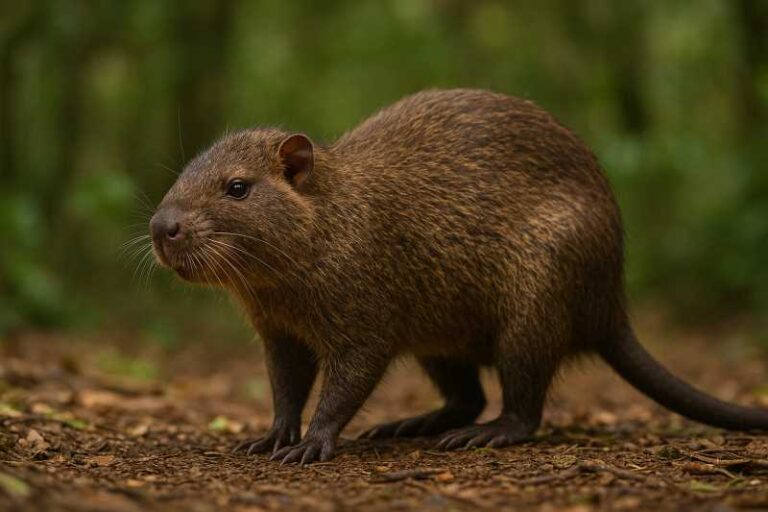
The Dabie Mountains Shrew Mole exhibits a fascinating blend of characteristics typical of both moles and shrews. Typically, individuals measure around 12 to 15 centimeters in length, with a tail that constitutes roughly one-third of its body length. Its weight ranges from 30 to 50 grams. The fur of the Dabie Mountains Shrew Mole is dense and velvety, providing excellent insulation against the cold subterranean environments it inhabits.
The species is characterized by a long, pointed snout and small, hidden eyes, adaptations that are crucial for its underground lifestyle. Unlike typical moles, the Dabie Mountains Shrew Mole possesses forelimbs that are less specialized for digging, reflecting its primary dependence on burrowing through softer soils. Its ears are small and well concealed under the fur, further emphasizing its adaptation to a life mostly spent below the ground surface.
Range and Habitat
The Dabie Mountains Shrew Mole is endemic to the Dabie Mountains, a mountainous region located at the junction of Hubei, Henan, and Anhui provinces in central China. This specific geographic range is crucial for the survival of the species, which thrives in cool, moist environments.
The preferred habitat of the Dabie Mountains Shrew Mole includes forested areas with rich, loose soils that facilitate burrowing. These environments not only provide shelter but also support a diverse array of invertebrate prey, essential for the shrew mole’s diet. The species is often found at elevations ranging from 800 to 1,500 meters above sea level, where the climatic conditions remain relatively stable throughout the year.
Behavior and Diet
The Dabie Mountains Shrew Mole leads a predominantly solitary lifestyle, with individuals occupying distinct territories. Its behavior is largely influenced by its need to forage for food and avoid predators. The species is primarily nocturnal, engaging in most of its activities under the cover of darkness to reduce the risk of predation.
Dietarily, the Dabie Mountains Shrew Mole is an insectivore, with a diet consisting mainly of earthworms, insects, and other small invertebrates. Its keen sense of smell helps it detect prey underground. The shrew mole uses its pointed snout to probe into the soil, capturing prey with remarkable efficiency.
Identification Tips (Field Recognition Cues)
Identifying the Dabie Mountains Shrew Mole in the field can be challenging due to its secretive nature and subterranean habits. However, certain characteristics can aid in its identification:
- Body Size and Shape: Look for a small, streamlined body with a long snout. The size is comparable to that of a small mouse.
- Fur Texture: The dense, velvety fur is distinctive, offering a tactile clue when handling specimens.
- Burrow Features: The presence of shallow burrows in loose, moist soil can indicate the presence of the Dabie Mountains Shrew Mole. These burrows often have small, inconspicuous entrances.
- Activity Signs: Look for signs of nocturnal activity, such as disturbed soil or feeding traces near burrow entrances.
Conservation Status (With Threats and Protections)
The conservation status of the Dabie Mountains Shrew Mole is currently listed as "Data Deficient" by the International Union for Conservation of Nature (IUCN). This classification reflects the limited information available regarding its population size and trends. However, several factors threaten its survival, including habitat destruction and fragmentation due to deforestation and agricultural expansion.
Protection measures for the Dabie Mountains Shrew Mole are primarily habitat-based. Conservation efforts focus on preserving the forested environments of the Dabie Mountains, which are crucial for the species’ survival. Additionally, further research is necessary to gather detailed data on the species’ ecology and population dynamics, which will aid in developing targeted conservation strategies.
Frequently Asked Questions
What is the Dabie Mountains Shrew Mole’s scientific name?
The scientific name of the Dabie Mountains Shrew Mole is Uropsilus dabieshanensis. This species is part of the Talpidae family, which includes moles and their relatives.
Where can the Dabie Mountains Shrew Mole be found?
The Dabie Mountains Shrew Mole is endemic to the Dabie Mountains region in central China, spanning parts of Hubei, Henan, and Anhui provinces.
What does the Dabie Mountains Shrew Mole eat?
The Dabie Mountains Shrew Mole primarily feeds on earthworms, insects, and other small invertebrates, relying on its keen sense of smell to locate prey underground.
How can you identify a Dabie Mountains Shrew Mole in the wild?
Identifying the Dabie Mountains Shrew Mole involves looking for a small, streamlined body with dense, velvety fur and a long snout. Shallow burrows in moist soil may also indicate its presence.
What are the main threats to the Dabie Mountains Shrew Mole?
The main threats to the Dabie Mountains Shrew Mole include habitat destruction and fragmentation due to deforestation and agricultural activities in its native range.
Related posts