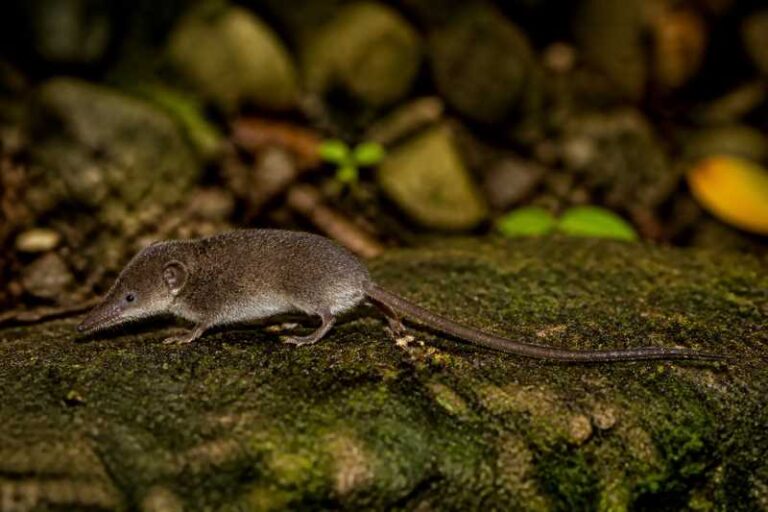
Roman Mole (Talpa romana): An In-Depth Exploration
Introduction
The Roman Mole, known scientifically as Talpa romana, is a captivating mammal species that resides primarily in the Mediterranean regions. This fascinating creature, part of the Talpidae family, is often misunderstood due to its subterranean lifestyle. Despite its elusive nature, the Roman Mole plays a vital role in its ecosystem, contributing to soil aeration and pest control. This article provides a comprehensive exploration of the Roman Mole, offering insights into its physical characteristics, habitat preferences, behaviors, diet, identification tips, and conservation status.
Physical Description
The Roman Mole is a small but robust mammal characterized by its cylindrical body, which is perfectly adapted for a life spent mostly underground. It typically measures between 11 to 15 centimeters in length, excluding the tail, which adds an additional 2 to 4 centimeters. Weighing between 70 to 120 grams, this mole is equipped with velvety, dark gray fur that allows it to move easily through its tunnel systems.
One of the most distinctive features of the Roman Mole is its powerful forelimbs, which are specially adapted for digging. These limbs are broader and more muscular compared to other small mammals, ending in large, spade-like paws with sharp claws. This makes the Roman Mole an efficient digger, capable of creating extensive underground networks. Its eyes and ears are reduced, reflecting its adaptation to a life without much reliance on vision or sound.
Range and Habitat
The Roman Mole is predominantly found in the Mediterranean regions, with its range extending across parts of Italy and into some neighboring areas. It thrives in a variety of habitats, including deciduous and mixed woodlands, grasslands, and cultivated lands. The preference for well-drained, loose soil is crucial, as it facilitates their digging activities and supports their prey base.
These moles are particularly common in agricultural areas, where they benefit from the high availability of earthworms and other soil-dwelling invertebrates. However, they are also found in suburban gardens and parks, where they often become a nuisance due to their tunneling behavior, which can disrupt plant roots and landscaping.
Behavior and Diet
Roman Moles are solitary creatures, spending most of their life in solitude except during the breeding season. They are active year-round, with no true hibernation, although activity levels may decrease during the colder months. Their lifestyle is largely nocturnal, and they are most active during dawn and dusk.
The diet of the Roman Mole is mainly carnivorous, with a strong preference for earthworms, which form the bulk of their diet. They also consume insects, larvae, and other small invertebrates. Occasionally, they may eat plant matter, but this is not a significant component of their diet. Their foraging behavior involves creating extensive tunnel systems to trap prey, which they then capture using their acute sense of touch and smell.
Identification Tips
Identifying the Roman Mole in the field can be challenging due to its subterranean habits. However, certain cues can aid in recognition:
- Molehills: Look for small, conical mounds of soil that indicate the presence of a mole’s tunnel system below.
- Tunnels: Shallow surface tunnels can often be seen as raised ridges in the soil.
- Appearance: If you happen to see a mole above ground, note its cylindrical body, dark velvety fur, and large forelimbs.
- Behavioral Signs: Listen for subtle sounds of digging or rustling under the soil surface.
Conservation Status
The Roman Mole is currently classified as "Least Concern" by the International Union for Conservation of Nature (IUCN). Despite this relatively secure status, the species faces several threats that could impact its population in the future.
Threats
- Habitat Destruction: Urbanization and agricultural expansion can lead to habitat fragmentation and loss.
- Chemical Usage: Pesticides and other chemicals used in agriculture can reduce prey availability and directly harm moles.
- Persecution: In some areas, moles are considered pests and are actively removed or killed.
Protections
Efforts to conserve the Roman Mole focus on habitat protection and sustainable agricultural practices. Encouraging organic farming and reducing chemical use can help maintain healthy mole populations. Additionally, raising awareness about the ecological benefits of moles can reduce persecution.
Frequently Asked Questions
What do Roman Moles eat?
Roman Moles primarily feed on earthworms, which make up a significant part of their diet. They also consume insects, larvae, and other small invertebrates found in the soil.
Where do Roman Moles live?
Roman Moles are found in the Mediterranean regions, particularly in Italy. They inhabit deciduous woodlands, grasslands, and agricultural areas with well-drained soils.
How do you identify a molehill?
Molehills appear as small, conical mounds of soil on the surface. They are a clear indication of a mole’s tunneling activity below ground.
Are Roman Moles harmful to gardens?
While Roman Moles can disrupt gardens by creating tunnels, they also provide benefits by aerating the soil and controlling insect populations.
What is the conservation status of the Roman Mole?
The Roman Mole is classified as "Least Concern" by the IUCN, but it faces threats such as habitat destruction and chemical use.
Related posts