Introduction
The Caucasian Pygmy Shrew, scientifically known as Sorex volnuchini, is a fascinating small mammal that inhabits the Caucasus region. This elusive species plays a vital role in its ecosystem, contributing to soil health and pest control. Despite its importance, the Caucasian Pygmy Shrew is often overshadowed by its more prominent relatives. This article delves into the intricate details of this miniature mammal, exploring its physical characteristics, habitat, behavior, and conservation status.
Physical Description
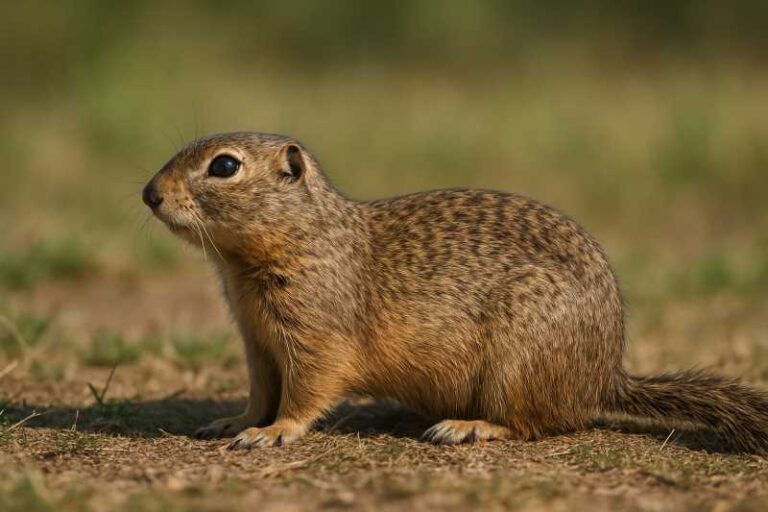
The Caucasian Pygmy Shrew is one of the smallest mammals in the world, with an average body length ranging from 4 to 6 centimeters, excluding the tail, which adds an additional 3 to 5 centimeters. Weighing between 2 to 4 grams, this shrew is a featherweight creature. It is characterized by its slender, elongated snout, which is highly sensitive and equipped with whiskers that aid in navigating its environment and locating prey.
The fur of the Caucasian Pygmy Shrew is typically a blend of gray and brown, providing effective camouflage against the forest floor. Its underside is a lighter gray, and the transition between the dorsal and ventral sides is usually gradual. The shrew’s small eyes and poor eyesight are compensated by an acute sense of hearing and smell, essential for survival in the wild.
Range and Habitat
The Caucasian Pygmy Shrew is endemic to the Caucasus region, encompassing parts of Russia, Georgia, Armenia, and Azerbaijan. It predominantly inhabits forested areas, including deciduous, mixed, and coniferous forests. These environments offer abundant leaf litter and undergrowth, which the shrew uses for foraging and shelter.
This species is also found in alpine meadows and along the banks of streams and rivers, where moisture levels are higher. The Caucasian Pygmy Shrew prefers habitats with soft, moist soil that facilitates easy burrowing. Its range is somewhat restricted by altitude, as it is typically found at elevations between 500 to 2,500 meters above sea level.
Behavior and Diet
The Caucasian Pygmy Shrew is primarily nocturnal, spending its nights foraging for food. Its diet consists mainly of insects and other invertebrates, including beetles, spiders, and worms. The shrew’s high metabolism requires it to consume an amount of food equal to its body weight each day.
Socially, the Caucasian Pygmy Shrew is solitary and highly territorial. It communicates with conspecifics through high-pitched squeaks and scent markings. During the breeding season, which occurs in the spring and early summer, males and females come together briefly to mate. After a gestation period of about three weeks, the female gives birth to a litter of 2 to 8 young, which she raises alone.
Identification Tips (field recognition cues)
Identifying the Caucasian Pygmy Shrew in the field requires attention to several key features:
- Size: As one of the smallest mammals, its diminutive size is a significant clue.
- Coloration: Look for the characteristic gray-brown fur with a lighter underside.
- Snout: Note the long, narrow snout, which is used for probing soil and leaf litter.
- Tail: The tail is relatively long, often about the same length as the body.
- Behavior: Observing its rapid, scurrying movements, especially during nighttime, can also aid in identification.
Conservation Status (with threats and protections)
The Caucasian Pygmy Shrew is currently classified as Least Concern by the International Union for Conservation of Nature (IUCN). However, its populations are thought to be declining due to several threats.
Habitat destruction poses the most significant threat, as deforestation and land conversion for agriculture and urbanization reduce the available habitat. Climate change also poses a potential threat by altering the shrew’s montane habitats, possibly leading to range shifts or population declines.
Conservation efforts for the Caucasian Pygmy Shrew include habitat protection and restoration. Preserving forested areas in the Caucasus through protected areas and sustainable forestry practices is crucial for maintaining the shrew’s habitat.
Frequently Asked Questions
What is the size of the Caucasian Pygmy Shrew?
The Caucasian Pygmy Shrew measures around 4 to 6 centimeters in body length, with an additional 3 to 5 centimeters for the tail, and weighs between 2 to 4 grams.
Where can I find the Caucasian Pygmy Shrew?
This shrew is found in the Caucasus region, including parts of Russia, Georgia, Armenia, and Azerbaijan, primarily in forested and alpine meadow habitats.
How does the Caucasian Pygmy Shrew communicate?
The shrew communicates through high-pitched squeaks and scent markings, which are used to establish territory and during mating.
What does the Caucasian Pygmy Shrew eat?
Its diet consists mainly of insects and other invertebrates such as beetles, spiders, and worms, which it hunts using its keen sense of smell and hearing.
Are Caucasian Pygmy Shrews endangered?
While currently listed as Least Concern by the IUCN, the species faces threats from habitat destruction and climate change, which could impact its conservation status in the future.
Related posts