Large-headed White-toothed Shrew (Crocidura grandiceps): A Comprehensive Guide
Introduction
The Large-headed White-toothed Shrew, scientifically known as Crocidura grandiceps, is a fascinating small mammal belonging to the family Soricidae. Known for their significant ecological roles, shrews are vital components of food webs, serving as both predators and prey. This article delves into the unique characteristics of the Large-headed White-toothed Shrew, covering its physical attributes, habitat preferences, behavioral patterns, and conservation status.
Physical Description
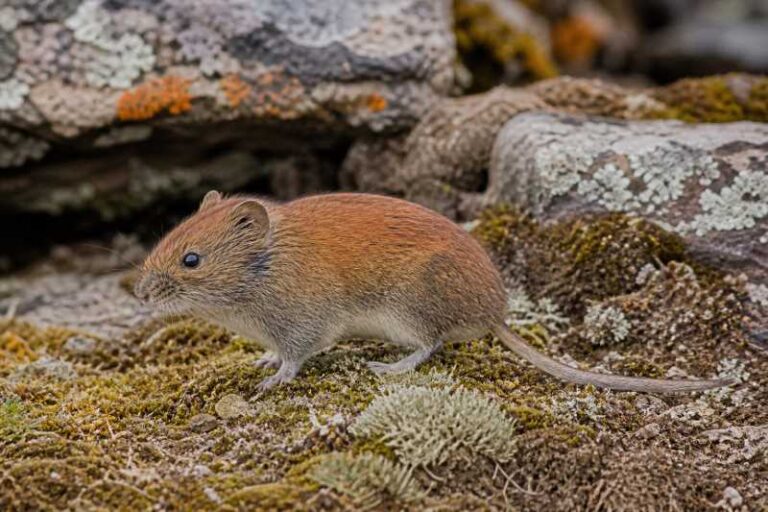
The Large-headed White-toothed Shrew stands out among its relatives with a distinctive combination of physical features. As its name suggests, this species is recognized for its relatively large head compared to other shrews. It sports a dense, short fur coat that appears grayish-brown on the dorsal side and slightly lighter on the ventral side. This coloration provides excellent camouflage against the leaf litter and soil in its natural habitat.
Measuring approximately 5 to 8 centimeters in body length, with a tail length of around 3 to 5 centimeters, this shrew is small yet robust. The species is characterized by its slender, elongated snout and sharp, white teeth, which are crucial for its insectivorous diet. The eyes are small and beady, adapted for its nocturnal lifestyle, while its ears are rounded and partially hidden within the fur.
Range and Habitat
Crocidura grandiceps is primarily found in sub-Saharan Africa, where it inhabits a range of environments. Its distribution includes countries such as Kenya, Uganda, Tanzania, and parts of the Democratic Republic of the Congo. This shrew prefers moist, tropical, and subtropical forests, where it can find ample cover and food resources.
Within these habitats, the Large-headed White-toothed Shrew favors areas with dense undergrowth and abundant leaf litter, which provide shelter and hunting grounds. It is also occasionally found in grasslands and near human settlements, particularly in regions where natural habitats have been altered or fragmented.
Behavior and Diet
The Large-headed White-toothed Shrew is predominantly nocturnal, exhibiting peak activity during the night. This behavior helps it avoid predators and take advantage of cooler temperatures. Shrews are solitary creatures, with each individual maintaining a specific territory marked by scent glands.
Dietarily, this shrew is insectivorous, feeding primarily on insects, spiders, and other small invertebrates. Its keen sense of smell and acute hearing aid in locating prey, while its sharp teeth and agile movements ensure successful captures. Occasionally, the shrew may supplement its diet with small amounts of plant material or carrion.
Identification Tips
Identifying the Large-headed White-toothed Shrew in the field can be challenging due to its elusive nature and resemblance to other shrew species. However, several key characteristics can aid in recognition:
- Head Size: The notably large head relative to body size is a distinguishing feature.
- Fur Coloration: Look for the uniform grayish-brown fur with a lighter underside, which differentiates it from similar species.
- Tail Proportion: The tail is relatively short, only about half the length of the body.
- Behavior: Observing nocturnal activity patterns can help identify this species.
Conservation Status
The conservation status of the Large-headed White-toothed Shrew is currently assessed as "Least Concern" by the International Union for Conservation of Nature (IUCN). Despite this classification, the species faces several threats, primarily due to habitat destruction and fragmentation caused by agricultural expansion, logging, and human settlement.
Conservation efforts are crucial to ensure the survival of this species. Protected areas play a significant role in preserving its habitats, while environmental awareness and sustainable land-use practices can mitigate further habitat loss.
Frequently Asked Questions
What is the lifespan of a Large-headed White-toothed Shrew?
The Large-headed White-toothed Shrew typically has a lifespan of about 1 to 2 years in the wild. This short lifespan is common among small mammals and is offset by high reproductive rates.
How does the Large-headed White-toothed Shrew contribute to its ecosystem?
As an insectivore, this shrew helps control insect populations, thus maintaining ecological balance. Additionally, it serves as prey for larger predators, contributing to the food web.
Are there any specific conservation programs for this shrew?
Currently, there are no species-specific conservation programs. However, general conservation efforts aimed at preserving tropical forests indirectly benefit the Large-headed White-toothed Shrew.
How can I attract Large-headed White-toothed Shrews to my garden?
To attract shrews, maintain a garden with dense undergrowth and leaf litter, which provide shelter and hunting grounds. Avoid using pesticides, as these can reduce their food sources.
What are the main predators of the Large-headed White-toothed Shrew?
Main predators include birds of prey, snakes, and small carnivorous mammals. Its nocturnal habits and cryptic coloration help evade these predators.
Related posts