Introduction
Garlepp’s Mouse, scientifically known as Galenomys garleppii, is a lesser-known rodent species that inhabits the South American continent. Named after the German naturalist Gustav Garlepp, this species is an enigmatic member of the family Cricetidae. Despite its relatively obscure status in the mammalian world, Garlepp’s Mouse plays a vital role in its ecosystem. This article seeks to explore the various facets of Garlepp’s Mouse, from its physical characteristics to its conservation status, and offers insights for wildlife enthusiasts and researchers alike.
Physical Description
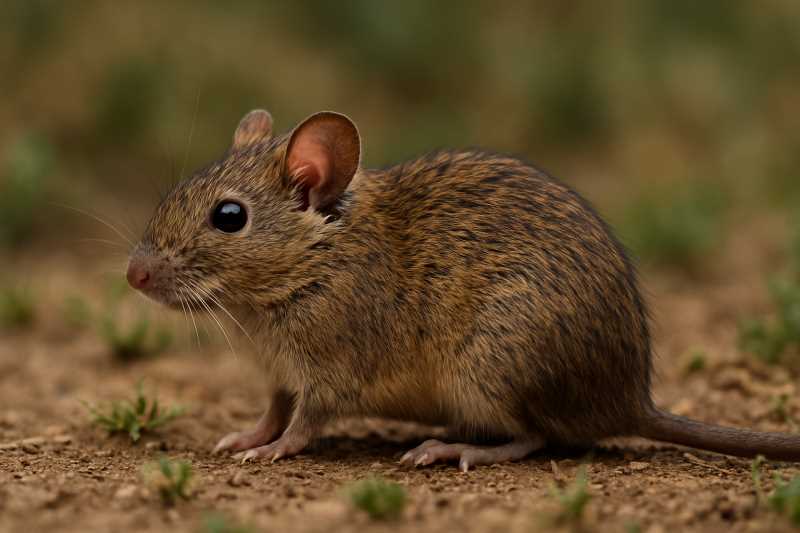
Garlepp’s Mouse is a small rodent characterized by its compact body and distinctive fur patterns. Typically, an adult Garlepp’s Mouse measures around 10 to 15 centimeters in length, excluding the tail, which can add another 5 to 10 centimeters. The fur is generally soft and dense, with a coloration that ranges from grayish-brown to a more earthy hue, allowing it to blend seamlessly into its natural habitat.
One of the notable features of Garlepp’s Mouse is its large, rounded ears which are highly sensitive, aiding in the detection of predators and communication among the species. The eyes are also relatively large, providing excellent night vision, which is crucial for its predominantly nocturnal lifestyle. The tail, often as long as the body, is covered with fine hair and serves as a balance aid when the mouse navigates through rocky terrains.
Range and Habitat
Garlepp’s Mouse is native to the high-altitude regions of the Andes in South America, specifically within the countries of Peru and Bolivia. The species thrives in environments ranging from 2,500 to 4,500 meters above sea level. It prefers rocky habitats with sparse vegetation, which offer ample hiding spots from predators and harsh weather conditions.
These mice are well adapted to the cold, arid climate of the Andean mountains. Their burrowing behavior not only provides them with shelter but also plays a role in the aeration of the soil, thus contributing to the health of their ecosystem. The presence of Garlepp’s Mouse is often an indicator of a healthy, balanced environment.
Behavior and Diet
Garlepp’s Mouse is predominantly nocturnal, venturing out of its burrow at night to forage for food. Its diet consists mainly of seeds, grasses, and small insects, making it an omnivorous creature. The ability to adapt its diet based on availability is a testament to its resilience and versatility in the face of environmental changes.
Socially, Garlepp’s Mice are relatively solitary creatures, often only coming together during the breeding season. They communicate through a series of high-pitched squeaks and rely heavily on their keen sense of smell and hearing to interact with one another and detect potential threats.
Identification Tips (Field Recognition Cues)
For those interested in identifying Garlepp’s Mouse in the wild, there are several key characteristics to look for:
- Size and Shape: Look for a small rodent with a body length of approximately 10 to 15 cm, not including the tail.
- Fur Color: Note the grayish-brown to earthy fur, which helps it blend into the rocky Andean environment.
- Ears and Eyes: Large, rounded ears and prominent eyes are distinctive features.
- Tail: The long tail, often as long as the body, is covered with fine hair.
Observing these features can help differentiate Garlepp’s Mouse from other rodent species in the Andes.
Conservation Status (With Threats and Protections)
Garlepp’s Mouse is currently listed as "Data Deficient" on the IUCN Red List, indicating that there is insufficient information available to make a precise assessment of its conservation status. The primary threats to this species include habitat destruction due to agricultural expansion and climate change, which alters the delicate balance of its high-altitude habitat.
Conservation efforts are focused on habitat preservation and monitoring populations to better understand their ecology and adaptation mechanisms. Protected areas within the Andes serve as crucial refuges for Garlepp’s Mouse and other endemic species.
Frequently Asked Questions
1. What adaptations help Garlepp’s Mouse survive in high-altitude environments?
Garlepp’s Mouse has several adaptations that aid its survival in high-altitude environments, including a dense fur coat for insulation against cold temperatures and a diet that can vary based on food availability. Its burrowing behavior provides shelter and protection from predators.
2. How does Garlepp’s Mouse contribute to its ecosystem?
Garlepp’s Mouse contributes to its ecosystem by aerating the soil through its burrowing activities, which enhances soil health. As an omnivore, it also helps control insect populations and disperses seeds, promoting plant diversity.
3. Why is Garlepp’s Mouse considered a "Data Deficient" species?
Garlepp’s Mouse is classified as "Data Deficient" because there is not enough comprehensive data on its population size, distribution, and ecological requirements. More research is needed to accurately assess its conservation status and implement effective protection measures.
4. What are the main threats to Garlepp’s Mouse?
The main threats to Garlepp’s Mouse include habitat destruction due to agricultural expansion and climate change, which can alter its natural habitat and food availability.
5. Where can I see Garlepp’s Mouse in the wild?
Garlepp’s Mouse can be observed in the high-altitude regions of the Andes in Peru and Bolivia, particularly in rocky areas with sparse vegetation. Observers should look for its distinctive features and nocturnal activity patterns.
Related posts