Introduction
The Guizhou Snub-nosed Monkey, scientifically known as Rhinopithecus brelichi, is a mesmerizing primate species that has captivated the attention of wildlife enthusiasts and researchers alike. Sometimes referred to as the Guizhou Golden Monkey, this creature is a rare and endangered species native to China. Known for its distinct facial features and unique behavior, the Guizhou Snub-nosed Monkey is an emblem of biodiversity in its native region. This article delves into the various aspects of this fascinating species, from its physical description and habitat to its conservation status.
Physical Description
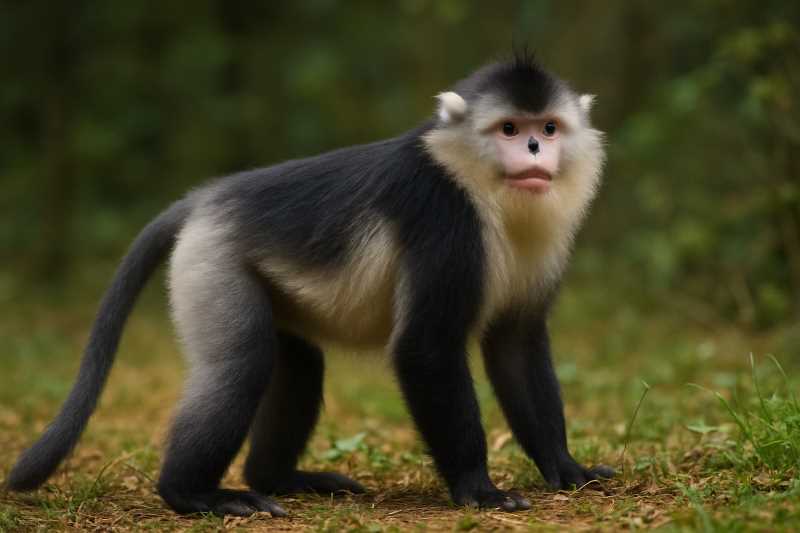
The Guizhou Snub-nosed Monkey is a medium-sized primate notable for its remarkable appearance. Adults typically measure between 60 to 70 cm in body length, with a tail that extends an additional 70 to 80 cm. They are characterized by their distinctive upturned noses, which lack nasal bones, giving them the ‘snub-nosed’ appearance that is unique to the Rhinopithecus genus.
Their fur is dense and woolly, adapting them well to the cold climates of their mountainous habitats. The coloration is predominantly gray with a golden hue on the back and limbs, while their face is a striking pale blue with pinkish lips. This coloration provides a stark contrast, making them one of the most visually striking primates in their range.
Males are generally larger than females and possess a more robust build, which is typical of many primate species. Their long, prehensile tails assist in balancing as they navigate the treetops of their forest home.
Range and Habitat
The Guizhou Snub-nosed Monkey is endemic to China, specifically the Fanjingshan National Nature Reserve in Guizhou Province. This region is characterized by its subtropical evergreen broadleaf forests, which provide a rich and varied habitat for these monkeys.
Fanjingshan’s rugged terrain, with its steep cliffs and deep valleys, offers an ideal environment for the Guizhou Snub-nosed Monkey. They thrive in elevations ranging from 1,500 to 2,300 meters above sea level, where temperatures can be quite low, especially during winter months. These monkeys are primarily arboreal, spending most of their time in the forest canopy, which provides both food and protection from predators.
Behavior and Diet
Guizhou Snub-nosed Monkeys exhibit complex social structures. They live in multi-level societies with groups consisting of several family units. Each family unit typically has one dominant male, several females, and their offspring. These groups can merge into larger bands, sometimes numbering over 100 individuals, especially when food is abundant.
Their diet is predominantly herbivorous, consisting mainly of leaves, fruits, seeds, and flowers. During the winter months, when food is scarce, they have been observed eating bark and lichens. This adaptability in diet is crucial for their survival in the challenging conditions of their high-altitude habitat.
Identification Tips (Field Recognition Cues)
Identifying the Guizhou Snub-nosed Monkey in the wild can be a rewarding experience. Here are some tips to aid in their identification:
- Distinctive Snub Nose: Look for the unique upturned nose, which is a defining characteristic of the species.
- Facial Coloration: Their pale blue face with pinkish lips is a standout feature.
- Fur Color and Texture: Notice the dense, woolly fur with a golden sheen on the back and limbs.
- Social Behavior: Observe their social interactions within large groups, often seen grooming or foraging together.
- Vocalizations: Listen for their distinctive calls, which vary from soft grunts to loud whoops used for communication within the group.
Conservation Status (With Threats and Protections)
The Guizhou Snub-nosed Monkey is classified as endangered, with an estimated population of fewer than 750 individuals. Their limited range and specific habitat requirements make them particularly vulnerable to threats.
Threats:
- Habitat Loss: Deforestation and land use changes have severely impacted their natural habitat.
- Climate Change: Alterations in climate can affect the availability of food and suitable habitat.
- Human Disturbance: Increasing human activities, including tourism, can disrupt their natural behaviors.
Protections:
Fanjingshan National Nature Reserve provides a sanctuary for these monkeys, where conservation efforts are ongoing. Protective measures include anti-poaching patrols, habitat restoration projects, and community education programs to raise awareness of the monkey’s plight.
Frequently Asked Questions
- What is the lifespan of the Guizhou Snub-nosed Monkey?
- In the wild, Guizhou Snub-nosed Monkeys can live up to 20 years, though this can vary based on environmental conditions and threats.
- How does the Guizhou Snub-nosed Monkey adapt to cold climates?
- Their dense, woolly fur provides insulation against cold temperatures, and their social behavior, including huddling together, helps them conserve heat.
- Are Guizhou Snub-nosed Monkeys aggressive?
- Generally, they are not aggressive towards humans but can exhibit defensive behaviors if they feel threatened. Within their groups, they display a range of social behaviors.
- What are the main conservation efforts for this species?
- Conservation efforts focus on habitat protection, anti-poaching measures, and community education to reduce human impact on their environment.
- How can tourists help in conserving the Guizhou Snub-nosed Monkey?
- Tourists can support conservation by following guidelines for responsible wildlife viewing and supporting local conservation initiatives.
Related posts