Introduction
The Western False Pipistrelle, known scientifically as Falsistrellus mackenziei, is a fascinating member of the mammalian order Chiroptera, commonly referred to as bats. First described in the latter part of the 20th century, this species is one of the more enigmatic members of the bat family due to its limited range and unique ecological role. As the name suggests, this bat can be found in the western regions of Australia, where it inhabits certain types of forests. Its elusive nature and specific habitat requirements make it a subject of interest among mammalogists and conservationists alike.
Bats are vital components of ecosystems, serving as pollinators, seed dispersers, and pest controllers. The Western False Pipistrelle is no exception, contributing significantly to the ecological balance in its native habitat. This article explores various aspects of the Western False Pipistrelle, including its physical description, habitat preferences, behavior, diet, and conservation status. This comprehensive overview aims to enhance understanding and appreciation of this unique species.
Physical Description
The Western False Pipistrelle is a medium-sized bat, with a wingspan ranging from 30 to 35 centimeters. Its body length is typically between 5 and 6 centimeters, and it weighs approximately 15 to 20 grams. The species is characterized by its long, narrow wings, which are adapted for agile flight and allow it to navigate through dense forest canopies with ease.
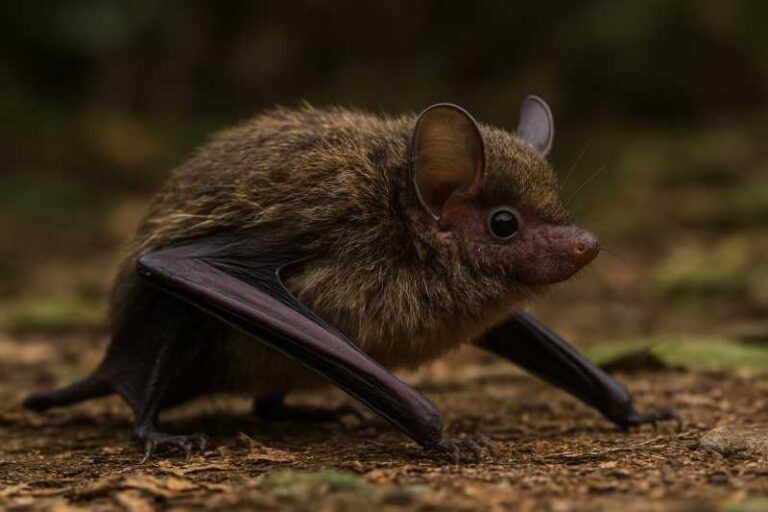
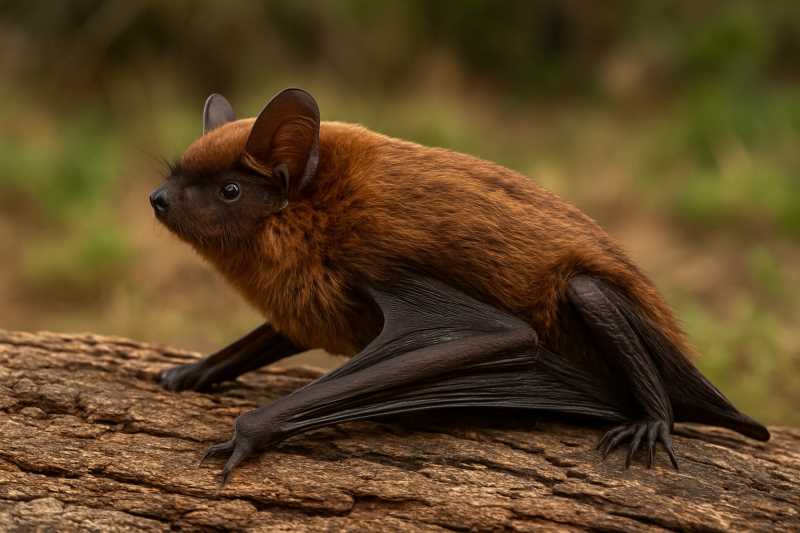
The fur of the Western False Pipistrelle is one of its most distinguishing features. It is soft and dense, predominantly dark brown with a subtle reddish tinge. This coloration provides effective camouflage among the trees and bark of its forest habitat. The ears are relatively large and rounded, aiding in its acute sense of echolocation, which is critical for navigating and hunting in the dark.
The face of the Western False Pipistrelle is somewhat flattened, with a broad snout and a subtle, yet noticeable, false noseleaf structure that distinguishes it from true pipistrelles. This false noseleaf is a key feature that contributes to its name and helps in identifying it from similar bat species.
Range and Habitat
The Western False Pipistrelle is endemic to the southwestern regions of Australia, particularly in the states of Western Australia and South Australia. It predominantly inhabits temperate and subtropical forests, favoring areas with dense foliage that provide ample cover and feeding opportunities.
These bats are known to roost in tree hollows and under loose bark, often selecting sites that offer both security from predators and proximity to food sources. They are also occasionally found in caves or other sheltered environments that offer similar protection and access to foraging areas.
The specific habitat requirements of the Western False Pipistrelle make it vulnerable to habitat loss and fragmentation, which are significant concerns for its long-term survival. Conservation efforts are focused on preserving these habitats and mitigating the impacts of human activities that threaten their integrity.
Behavior and Diet
The Western False Pipistrelle is a nocturnal species, active primarily during the night when it hunts for food. Its diet mainly consists of insects, which it catches in flight using its highly developed echolocation abilities. The bat emits high-frequency calls that bounce off objects and return as echoes, allowing it to detect, identify, and capture prey with remarkable accuracy.
During the day, the Western False Pipistrelle rests in its roost, conserving energy for its nightly foraging activities. It is a solitary animal, though it may sometimes be found in small groups, particularly during the breeding season.
Breeding occurs once a year, with females giving birth to a single pup after a gestation period of around three months. The young are cared for by the mother, who nurses them until they are capable of fending for themselves.
Identification Tips (field recognition cues)
Identifying the Western False Pipistrelle in the field can be challenging due to its nocturnal habits and elusive nature. However, there are several key features that can aid in its identification:
- Fur Coloration: Look for the distinctive dark brown fur with a reddish tinge. This coloration helps the bat blend into its forest environment.
- Wingspan and Flight Pattern: Observe the bat’s flight pattern. The Western False Pipistrelle has a wingspan of 30-35 cm and exhibits agile, maneuverable flight, which is characteristic of this species.
- Echolocation Calls: Use a bat detector to listen for its echolocation calls, which are typically in the frequency range of 40-50 kHz.
- Roosting Habits: Check tree hollows and under bark for potential roosting sites. This species prefers these locations for daytime resting.
- Facial Characteristics: Note the broad snout and false noseleaf structure, which are distinguishing features of this species.
Conservation Status (with threats and protections)
The conservation status of the Western False Pipistrelle is currently listed as Near Threatened by the International Union for Conservation of Nature (IUCN). This designation reflects concerns over habitat loss and fragmentation, which are the primary threats to the species.
Deforestation, land development, and changes in land use have significantly reduced the available habitat for these bats. Additionally, climate change poses a long-term threat by altering the ecosystems they rely on for survival.
Conservation efforts are focused on protecting critical habitats, implementing land management practices that preserve forest ecosystems, and conducting research to better understand the species’ ecology and needs. Legal protections are in place in some regions, and conservation organizations are actively working to raise awareness and support for the Western False Pipistrelle.
Frequently Asked Questions
1. What is the primary diet of the Western False Pipistrelle?
The Western False Pipistrelle primarily feeds on insects. It uses echolocation to locate, identify, and capture various insect species during its nocturnal foraging activities.
2. Where can the Western False Pipistrelle be found?
This species is native to southwestern Australia, particularly within the states of Western Australia and South Australia. It predominantly resides in temperate and subtropical forests.
3. How does the Western False Pipistrelle contribute to its ecosystem?
As a bat species, the Western False Pipistrelle plays a crucial role in insect population control, helping maintain a balanced ecosystem. Its presence is also vital for the health of forest habitats where it resides.
4. What are the main threats to the Western False Pipistrelle’s survival?
The main threats include habitat loss due to deforestation and land use changes, as well as the impacts of climate change, which can alter the ecosystems they depend on.
5. How can we help conserve the Western False Pipistrelle?
Supporting conservation efforts that focus on habitat protection, sustainable land management, and raising awareness about the species are crucial steps in ensuring the survival of the Western False Pipistrelle.
Related posts