Introduction
Temminck’s Myotis, scientifically known as Myotis tricolor, is a fascinating bat species that belongs to the family Vespertilionidae. This species is named after the Dutch zoologist Coenraad Jacob Temminck, who made significant contributions to the study of mammals. As an integral part of the ecosystem, Temminck’s Myotis plays a crucial role in insect control and plant pollination. This article will provide a comprehensive insight into the characteristics, habitat, behavior, and conservation status of Temminck’s Myotis, alongside tips for identification in the field.
Physical Description
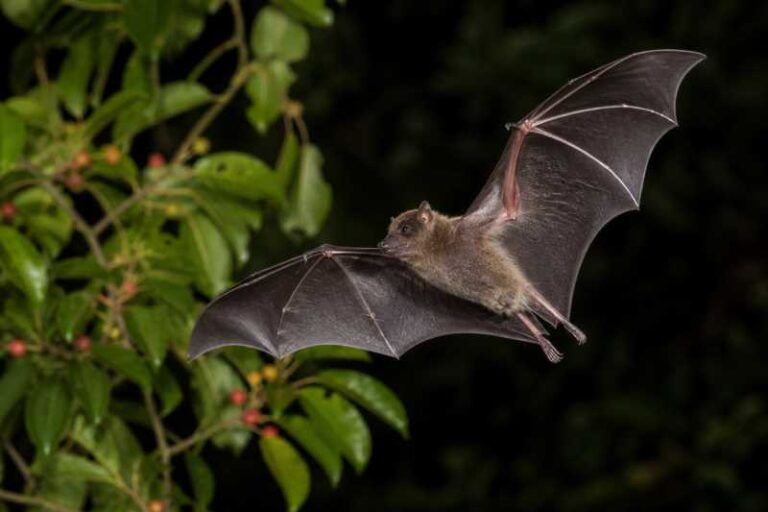
The Temminck’s Myotis is a medium-sized bat with distinct physical characteristics that make it easily recognizable. Adult individuals have a forearm length ranging from 37 to 46 mm, and their wingspan can extend up to 30 cm. The body mass of this species typically varies between 7 to 12 grams.
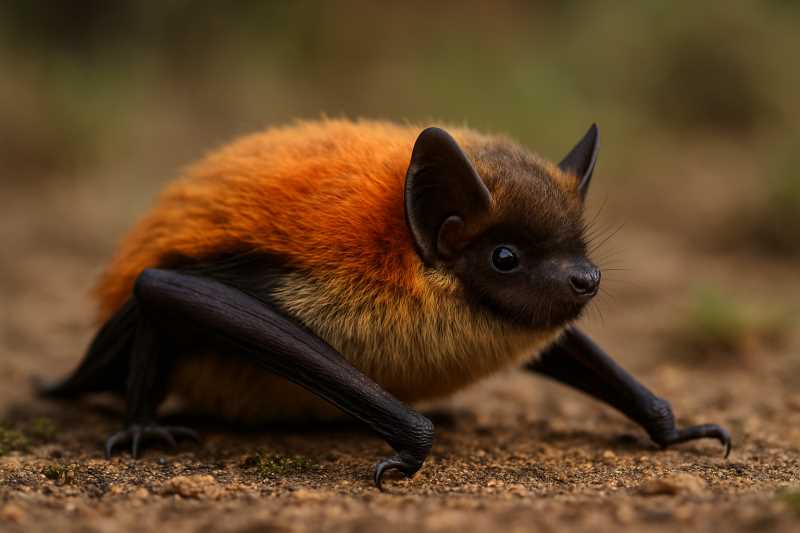
The fur of Temminck’s Myotis is dense and soft, characterized by a tricolor pattern that adds to its unique appearance. The dorsal side of the bat showcases a striking reddish-brown color, while the ventral side is lighter, often appearing off-white or cream. This contrasting coloration helps in camouflage and protection against predators.
The face and ears of Temminck’s Myotis are noteworthy as well. The species has a short and broad snout, with a dark, hairless nose. Its ears are relatively large and rounded, enhancing its echolocation capabilities, which are vital for navigation and hunting.
Range and Habitat
Temminck’s Myotis is predominantly found in sub-Saharan Africa, with its range extending across various countries including South Africa, Zimbabwe, Namibia, and Botswana. The species is adaptable and inhabits a variety of environments, ranging from savannas and woodlands to forests and grasslands.
This bat species is known for its preference for roosting in caves, but it can also be found in abandoned mines, crevices, and even in man-made structures like buildings and bridges. The selection of roosting sites is largely influenced by the availability of food resources and environmental conditions such as temperature and humidity.
Behavior and Diet
Temminck’s Myotis is primarily nocturnal, emerging at dusk to commence its nightly foraging activities. This species is highly reliant on echolocation to navigate and hunt, emitting high-frequency sound waves that bounce off objects and return as echoes.
The diet of Temminck’s Myotis is mainly insectivorous. It preys on a variety of insects, including moths, beetles, and mosquitoes. By controlling insect populations, this bat plays a valuable role in maintaining ecological balance and reducing the spread of insect-borne diseases.
Social behavior in Temminck’s Myotis varies. While some individuals prefer solitary roosting, others form small colonies, especially during the breeding season. These social groups can aid in protection from predators and in nurturing young bats.
Identification Tips (Field Recognition Cues)
Identifying Temminck’s Myotis in the field involves observing several key characteristics:
- Size and Shape: Look for a medium-sized bat with a wingspan of up to 30 cm.
- Coloration: Note the tricolor fur pattern, with a reddish-brown dorsal side and a lighter ventral side.
- Ears and Face: Observe the large, rounded ears and dark, hairless snout.
- Roosting Sites: Check likely habitats such as caves, abandoned structures, and tree crevices.
- Echolocation Calls: Use a bat detector to listen for high-frequency echolocation calls.
Conservation Status (with Threats and Protections)
The conservation status of Temminck’s Myotis is currently classified as Least Concern by the International Union for Conservation of Nature (IUCN). Despite this classification, the species faces several threats that could impact its populations.
Threats
- Habitat Destruction: Deforestation and land conversion for agriculture and urban development reduce suitable roosting and foraging habitats.
- Disturbance of Roosting Sites: Human activities, such as cave exploration and mining, can disturb roosting sites, leading to habitat loss.
- Pesticide Use: The use of pesticides reduces insect populations, which in turn affects the food availability for insectivorous bats like Temminck’s Myotis.
Protections
Efforts to protect Temminck’s Myotis include conservation initiatives aimed at preserving natural habitats and educating the public about the ecological importance of bats. Legal protections in certain regions prohibit the destruction of known roosting sites.
Frequently Asked Questions
1. What does Temminck’s Myotis eat?
Temminck’s Myotis primarily feeds on insects, including moths, beetles, and mosquitoes. Its insectivorous diet helps control insect populations and maintain ecological balance.
2. Where can Temminck’s Myotis be found?
This species is found in sub-Saharan Africa, in countries such as South Africa, Zimbabwe, Namibia, and Botswana, inhabiting environments like savannas, woodlands, and forests.
3. How does Temminck’s Myotis navigate?
Temminck’s Myotis uses echolocation for navigation and hunting. It emits high-frequency sound waves that bounce off objects and return as echoes.
4. What are the threats to Temminck’s Myotis?
Major threats include habitat destruction, disturbance of roosting sites, and pesticide use, all of which impact the availability of food and suitable habitats.
5. Is Temminck’s Myotis endangered?
Currently, Temminck’s Myotis is classified as Least Concern by the IUCN. However, ongoing threats could potentially impact its populations if not addressed.
Related posts