Introduction
The Burmese Short-tailed Shrew, scientifically known as Blarinella wardi, is a lesser-known mammalian species that captivates biologists and wildlife enthusiasts alike. This elusive shrew is part of the Soricidae family and is predominantly found in Southeast Asia. Despite its small size, the Burmese Short-tailed Shrew plays a significant role in its ecosystem, contributing to insect population control and soil aeration.
Understanding the life and habits of the Burmese Short-tailed Shrew is crucial for appreciating the biodiversity of the regions it inhabits. This article delves into various aspects of this remarkable animal, including its physical characteristics, habitat preferences, behavior, and conservation status.
Physical Description
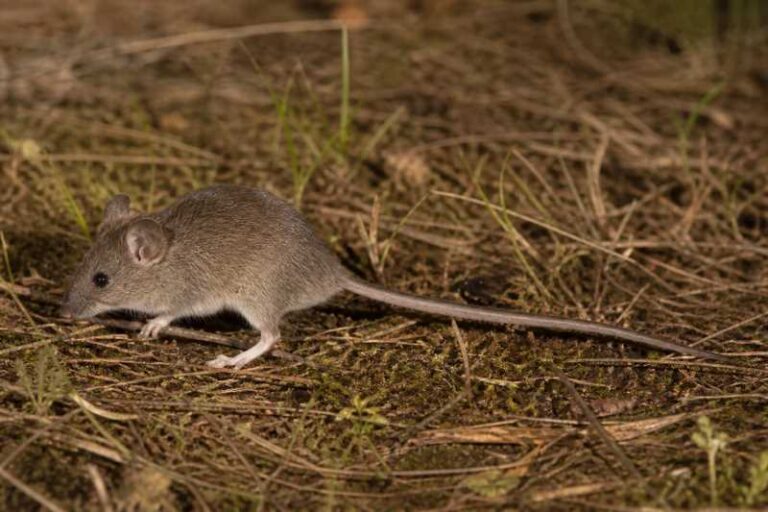
The Burmese Short-tailed Shrew is a small, compact mammal characterized by its short tail and dense fur. Adult shrews typically weigh between 10 to 15 grams and measure around 8 to 12 centimeters in length. Their fur is a dark gray or brown, providing excellent camouflage against the forest floor.
One of the most distinctive features of the Burmese Short-tailed Shrew is its elongated snout, which is highly sensitive and aids in foraging for food. Their small eyes and ears are well-suited for their subterranean lifestyle, where hearing and touch are more critical than vision.
Range and Habitat
The geographical range of the Burmese Short-tailed Shrew is relatively restricted, primarily found in Myanmar, with sporadic sightings in neighboring regions. This species prefers the dense, moist environments of subtropical and tropical forests, often thriving in areas with rich leaf litter and abundant undergrowth.
The shrew’s habitat is characterized by a stable climate with high humidity and moderate temperatures, which supports a diverse array of invertebrate prey. Conservation of these forested areas is vital for the survival of this species, as habitat destruction poses a significant threat.
Behavior and Diet
Burmese Short-tailed Shrews are predominantly nocturnal creatures, spending most of their active hours foraging during the night. They possess a high metabolic rate, necessitating a diet rich in protein. Consequently, they primarily feed on insects, earthworms, and other small invertebrates.
These shrews are solitary animals, with each individual maintaining a territory that it defends vigorously against intruders. Communication among Burmese Short-tailed Shrews involves a variety of vocalizations and scent markings, which play essential roles in territory establishment and mating.
Identification Tips
Identifying the Burmese Short-tailed Shrew in the field requires keen observation skills and familiarity with their habitat. Here are some tips for recognizing this species:
- Size and Shape: Look for a small, compact body with a notably short tail.
- Coloration: Dark gray or brown fur that blends well with the forest floor.
- Behavior: Nocturnal activity and a preference for dense leaf litter.
- Habitat: Presence in subtropical and tropical forests, especially in Myanmar.
Conservation Status
The conservation status of the Burmese Short-tailed Shrew is currently categorized as Data Deficient by the International Union for Conservation of Nature (IUCN). This classification highlights the need for further research to accurately assess population trends and threats.
Primary threats to the species include habitat destruction due to logging, agricultural expansion, and human settlement. However, some areas where the shrew is found benefit from conservation measures and protected status, which help mitigate these threats.
Conservation efforts must focus on habitat preservation, research to fill gaps in knowledge, and raising awareness about the ecological importance of this species.
Frequently Asked Questions
Q1: What is the primary diet of the Burmese Short-tailed Shrew?
The Burmese Short-tailed Shrew primarily feeds on insects, earthworms, and other small invertebrates, which provide the necessary protein to sustain its high metabolic rate.
Q2: Where can I find the Burmese Short-tailed Shrew?
This shrew is predominantly found in Myanmar, inhabiting dense, moist subtropical and tropical forests, often in areas with abundant leaf litter and undergrowth.
Q3: How is the Burmese Short-tailed Shrew adapted to its environment?
Adaptations include a highly sensitive snout for foraging, small eyes and ears suited for a subterranean lifestyle, and fur coloration that provides camouflage against the forest floor.
Q4: What are the main threats to the Burmese Short-tailed Shrew?
The main threats include habitat destruction due to logging, agricultural expansion, and human settlement, which lead to the loss of their forest habitats.
Q5: How can we help protect the Burmese Short-tailed Shrew?
Efforts to protect this species should focus on habitat conservation, conducting more research to fill current knowledge gaps, and promoting awareness about its ecological role.
Related posts