Introduction
Rainey’s White-toothed Shrew, scientifically known as Crocidura raineyi, is a fascinating yet elusive mammal species. Part of the Soricidae family, this small insectivorous mammal is of particular interest to biologists and conservationists due to its unique adaptations and restricted range. Understanding the characteristics, habitat, and behavior of Rainey’s White-toothed Shrew not only adds to our knowledge of biodiversity but also aids in conservation efforts for this and other similar species.
Physical Description
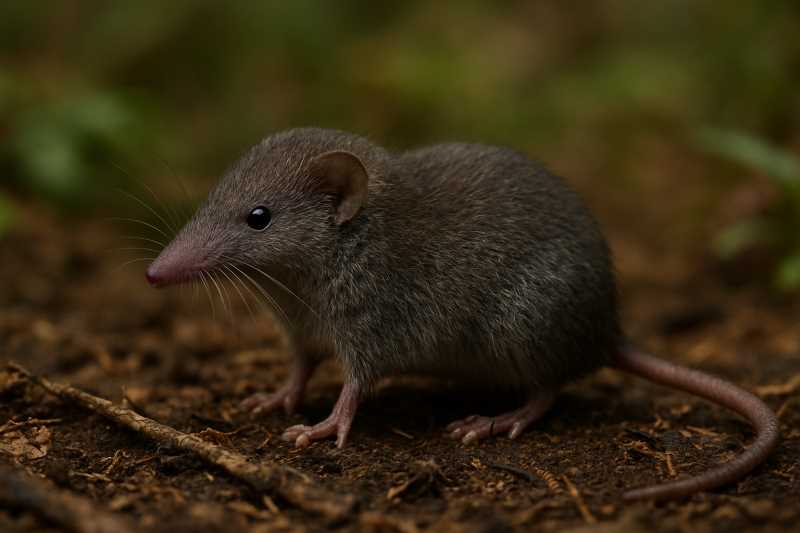
The Rainey’s White-toothed Shrew is a small mammal, typically measuring between 50 to 70 millimeters in length, excluding the tail, which adds another 30 to 50 millimeters. The body is covered with soft, dense fur that ranges from grayish to brown, providing excellent camouflage in its natural habitat. As the name suggests, one of the distinguishing features of this species is its white teeth, a characteristic common to the Crocidura genus. The shrew has a pointed snout and small, beady eyes that are well-adapted to its nocturnal lifestyle.
The limbs of the Rainey’s White-toothed Shrew are relatively short, but its feet are well-developed, enabling it to navigate through dense underbrush and leaf litter with ease. It has a high metabolic rate, which is typical of small mammals, necessitating a diet rich in protein to sustain its energy levels.
Range and Habitat
Rainey’s White-toothed Shrew is endemic to specific regions in East Africa, primarily found in Kenya and Tanzania. Its habitat is typically confined to montane forests, grasslands, and shrublands, where it takes advantage of the rich diversity of insects and other invertebrates. These habitats provide the necessary cover and food resources, although they are increasingly threatened by human activities such as agriculture and deforestation.
The shrew tends to prefer moist habitats with plenty of ground cover, which offer protection from predators and harsh weather conditions. This preference means that the preservation of these specific environments is crucial for the survival of the species.
Behavior and Diet
Rainey’s White-toothed Shrew is primarily nocturnal, spending most of its active hours during the night. Its behavior is characterized by a solitary lifestyle, although it may occasionally be found in small, loose groups. Like other shrews, it is territorial and can be aggressive when defending its space.
The diet of Rainey’s White-toothed Shrew consists mainly of insects, spiders, and other small invertebrates. It uses its keen sense of smell and hearing to locate prey, often foraging through leaf litter and underbrush. The shrew’s high metabolism demands frequent feeding, and it is known to consume up to twice its body weight in food each day.
Identification Tips (Field Recognition Cues)
Identifying Rainey’s White-toothed Shrew in the field can be challenging due to its small size and secretive nature. However, there are several cues that can aid in recognition:
- Size and Shape: Look for a small, mouse-sized mammal with a pointed snout and a relatively short, hairy tail.
- Coloration: Its fur is generally grayish to brown, which blends well with the forest floor.
- Activity Patterns: Active primarily at night, so sightings during the day are rare.
- Habitat: Found in montane forests and grasslands, areas with dense ground cover.
- Sound: May produce high-pitched squeaks, especially when disturbed.
Conservation Status (with Threats and Protections)
As of the latest assessments, Rainey’s White-toothed Shrew is classified as Data Deficient by the International Union for Conservation of Nature (IUCN). This status highlights the need for more comprehensive studies to determine the population size and distribution of this species.
Threats
The primary threats facing Rainey’s White-toothed Shrew include habitat loss and fragmentation due to agricultural expansion, logging, and human settlement. Climate change also poses a long-term threat by altering the delicate balance of the ecosystems they inhabit.
Protections
Conservation efforts for Rainey’s White-toothed Shrew involve habitat preservation and restoration. Protecting montane forests and limiting deforestation are crucial steps. Additionally, raising awareness and conducting further research are vital for developing effective conservation strategies.
Frequently Asked Questions
- What does Rainey’s White-toothed Shrew eat?
Rainey’s White-toothed Shrew primarily feeds on insects, spiders, and other small invertebrates, sustaining its high metabolism with a protein-rich diet.
- Where can Rainey’s White-toothed Shrew be found?
This species is found in the montane forests and grasslands of East Africa, particularly in Kenya and Tanzania.
- How can you identify Rainey’s White-toothed Shrew?
Identification is based on its small size, grayish-brown coloration, nocturnal activity, and presence in specific habitats.
- What are the main threats to Rainey’s White-toothed Shrew?
The shrew faces threats from habitat loss due to deforestation, agricultural activities, and climate change.
- Is Rainey’s White-toothed Shrew endangered?
Currently, it is listed as Data Deficient by the IUCN, indicating a need for more research to determine its conservation status accurately.
Related posts