Introduction
The Montane Bornean White-bellied Rat, scientifically known as Niviventer rapit, is a notable small mammal species indigenous to the island of Borneo. This rodent is part of the family Muridae, which encompasses various other species of rats and mice. The Montane Bornean White-bellied Rat is particularly interesting due to its restricted range and specialized habitat preferences. This article delves into the intricacies of this species, including its physical characteristics, habitat preferences, behaviors, diet, conservation status, and more.
Physical Description
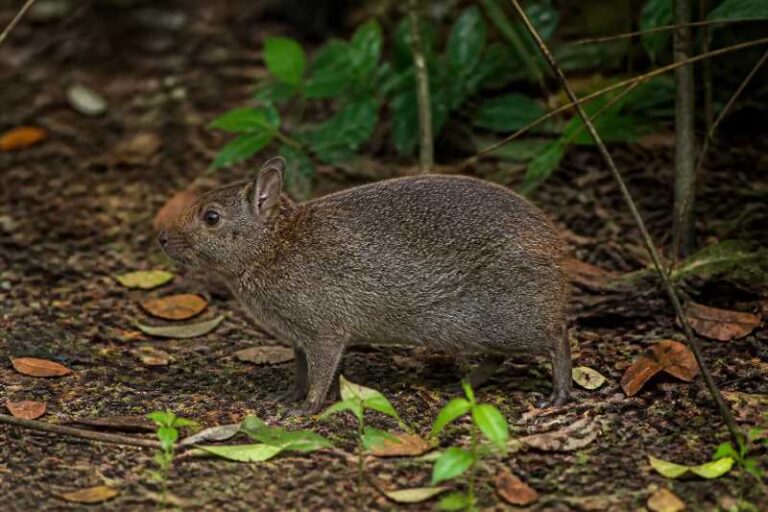
The Montane Bornean White-bellied Rat is a medium-sized rodent characterized by distinct morphological features. Adults typically measure between 18 to 22 centimeters in body length, with tails that can be just as long or slightly longer. The rat’s fur is dense and soft, predominantly grayish-brown on the dorsal side, transitioning to a pristine white on the ventral side, hence the name "White-bellied." The tail is covered with small scales and sparse hair, contributing to its slender appearance. Notably, the ears are rounded and relatively large compared to the head, aiding in acute hearing—a critical adaptation for survival in its dense montane habitat. The eyes are prominent and dark, indicating a nocturnal lifestyle, while the whiskers are long and sensitive, facilitating navigation through its environment.
Range and Habitat
Niviventer rapit is endemic to the montane forests of Borneo, predominantly found at elevations above 1,000 meters. These regions are characterized by cool temperatures and high humidity, providing an ideal environment for this species. The rat thrives in primary montane forests, where the dense canopy and undergrowth offer ample cover and resources. Occasionally, it may be found in secondary forests, but such occurrences are rare, as the species shows a marked preference for undisturbed habitats. The geographical range is relatively limited, with sightings concentrated in the central and northern regions of Borneo, within Malaysia and Indonesia.
Behavior and Diet
The Montane Bornean White-bellied Rat is primarily nocturnal, engaging in most of its activities during the night. It exhibits arboreal tendencies, often found foraging in trees and shrubs. However, it is also known to descend to the forest floor in search of food. Its diet is omnivorous, comprising seeds, fruits, insects, and occasionally small vertebrates. The species plays a crucial role in seed dispersal, thus contributing to the ecological dynamics of its habitat.
Socially, these rats are relatively solitary, with interactions typically occurring during the breeding season. Communication is facilitated through vocalizations and scent markings, which help establish territories and attract mates. The reproductive cycle is not well-documented, but it is presumed to be similar to other members of the genus Niviventer, with a gestation period of around 20 to 30 days and litter sizes ranging from 2 to 5 offspring.
Identification Tips (Field Recognition Cues)
Identifying the Montane Bornean White-bellied Rat in the field can be challenging due to its elusive nature and the dense habitats it occupies. However, several key characteristics can aid in its recognition:
- Coloration: Look for the distinctive grayish-brown dorsum and white ventral fur.
- Size: Medium size with a body length of 18 to 22 cm and a tail of similar length.
- Tail: Long, slender tail with sparse hair and small scales.
- Ears and Eyes: Large, rounded ears and prominent eyes suited for nocturnal activity.
- Habitat: Presence in montane forests above 1,000 meters elevation.
Conservation Status (with Threats and Protections)
The conservation status of the Montane Bornean White-bellied Rat is currently classified as "Data Deficient" by the International Union for Conservation of Nature (IUCN). This classification highlights the need for more comprehensive research to ascertain the population trends and threats facing this species. However, the primary concerns include habitat loss due to logging and agricultural expansion, which threaten the integrity of its montane forest habitat.
Conservation efforts are crucial for this species, focusing on habitat protection and sustainable forest management practices. National parks and protected areas within Borneo provide some refuge, but continued vigilance and research are necessary to ensure the species’ long-term survival.
Frequently Asked Questions
What does the Montane Bornean White-bellied Rat eat?
The diet of this rat is omnivorous, consisting of seeds, fruits, insects, and occasionally small vertebrates. Its feeding habits contribute to seed dispersal in its habitat.
Where is the Montane Bornean White-bellied Rat found?
This species is endemic to the montane forests of Borneo, found primarily at elevations above 1,000 meters in Malaysia and Indonesia.
How can you identify a Montane Bornean White-bellied Rat?
Key identification features include its grayish-brown and white coloration, medium size, long tail, and large ears. It is typically found in high-elevation montane forests.
What threats does the Montane Bornean White-bellied Rat face?
The main threats include habitat loss due to deforestation and agricultural development, which can lead to population declines.
What is the conservation status of the Montane Bornean White-bellied Rat?
It is currently classified as "Data Deficient" by the IUCN, indicating a need for further research on its population and threats.
Related posts