Mechuka Giant Flying Squirrel: A Comprehensive Guide to the Elusive Petaurista mechukaensis
Introduction
The Mechuka Giant Flying Squirrel, scientifically known as Petaurista mechukaensis, is a fascinating mammal species that has captured the attention of wildlife enthusiasts and researchers alike. Discovered relatively recently, this squirrel species is named after the Mechuka Valley in Arunachal Pradesh, India, where it is predominantly found. As a member of the Sciuridae family, the Mechuka Giant Flying Squirrel is known for its remarkable gliding ability, which enables it to soar from tree to tree, lending it an almost mythical presence in the dense forests it inhabits.
This article delves into the intriguing world of the Mechuka Giant Flying Squirrel, providing detailed insights into its physical characteristics, habitat, behavior, and more. We also explore its current conservation status and the efforts being made to protect this unique species.
Physical Description
The Mechuka Giant Flying Squirrel is aptly named for its impressive size. Adult individuals can reach a body length of approximately 40 to 50 centimeters, with a tail that can add an additional 50 to 60 centimeters to their overall length. This large size is complemented by a thick, bushy tail which aids in balance and maneuverability during gliding.
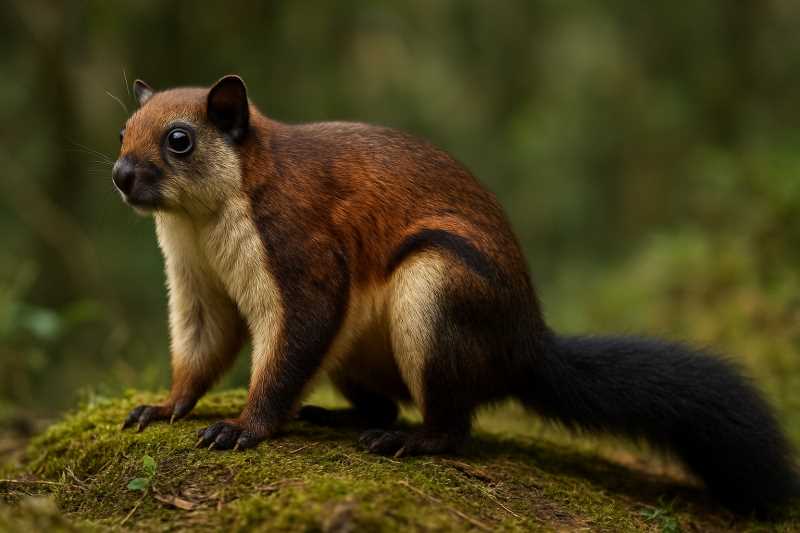
The fur of the Mechuka Giant Flying Squirrel is dense and soft, predominantly featuring a reddish-brown hue with variations that include shades of gray and cream. This coloration provides an excellent camouflage against the bark and leaves of its forest habitat. The species possesses large eyes, which are adapted for nocturnal activity, and sharp claws that are essential for climbing.
One of the most distinctive features of the Mechuka Giant Flying Squirrel is its patagium—a membrane stretching from the wrists to the ankles. This skin flap allows the squirrel to glide effectively, making it one of the most proficient gliders among terrestrial mammals.
Range and Habitat
The Mechuka Giant Flying Squirrel is endemic to the northeastern region of India, specifically the Mechuka Valley in Arunachal Pradesh. This area, characterized by its rich biodiversity and dense forests, provides an ideal habitat for the species. The forests here are typically subtropical or temperate, with plenty of tall trees that are crucial for the squirrel’s arboreal lifestyle.
The habitat of the Mechuka Giant Flying Squirrel is largely influenced by the altitude, as these squirrels prefer to reside in areas that range from 1,500 to 2,500 meters above sea level. This altitude range offers a unique set of flora and fauna, which supports the dietary and shelter needs of the species.
Behavior and Diet
The Mechuka Giant Flying Squirrel is primarily nocturnal, becoming active during the twilight hours. This nocturnal nature helps it avoid many diurnal predators and exploit food resources without much competition. During the day, the squirrel rests in tree hollows or nests it constructs using leaves and twigs.
In terms of diet, the Mechuka Giant Flying Squirrel is omnivorous. Its diet comprises a variety of fruits, nuts, leaves, and occasionally small insects. The availability of food resources heavily influences its foraging behavior, often leading the squirrel to travel considerable distances across its home range.
Socially, the Mechuka Giant Flying Squirrel is relatively solitary, with interactions primarily occurring during the mating season. Communication is facilitated through vocalizations and scent markings.
Identification Tips (Field Recognition Cues)
Identifying the Mechuka Giant Flying Squirrel in the wild can be challenging due to its nocturnal habits and excellent camouflage. However, there are several field recognition cues that can aid in its identification:
- Size and Shape: Look for a large squirrel with a bushy tail and a distinctive gliding membrane between its limbs.
- Color: Its reddish-brown fur with gray and cream tones helps it blend into the forest canopy.
- Behavior: Observe for gliding behavior at dusk or dawn, as these squirrels are most active during these times.
- Habitat: Focus on high-altitude forests in the Mechuka Valley region.
Conservation Status (With Threats and Protections)
The conservation status of the Mechuka Giant Flying Squirrel is currently listed as Data Deficient by the International Union for Conservation of Nature (IUCN). This classification highlights the need for more comprehensive studies to understand the population dynamics and threats facing the species.
The primary threats to the Mechuka Giant Flying Squirrel include habitat destruction due to logging, agricultural expansion, and infrastructure development. Additionally, climate change poses a long-term threat by altering the ecosystem dynamics of its habitat.
Conservation efforts are focused on habitat protection and the establishment of protected areas within the Mechuka Valley. Community awareness programs are also crucial in promoting sustainable practices that benefit both local populations and wildlife.
Frequently Asked Questions
What is the Mechuka Giant Flying Squirrel?
The Mechuka Giant Flying Squirrel is a large squirrel species found in the Mechuka Valley, Arunachal Pradesh, India. It is known for its gliding ability and nocturnal habits.
How can I identify a Mechuka Giant Flying Squirrel in the wild?
Look for a large, reddish-brown squirrel with a bushy tail and a gliding membrane. They are most active at dusk and dawn in high-altitude forests.
What does the Mechuka Giant Flying Squirrel eat?
This species has an omnivorous diet, including fruits, nuts, leaves, and small insects.
Are Mechuka Giant Flying Squirrels endangered?
The species is currently classified as Data Deficient by the IUCN, indicating a need for more research to determine its exact conservation status.
What are the threats to the Mechuka Giant Flying Squirrel?
Major threats include habitat destruction from logging and agriculture, as well as the impacts of climate change.
Related posts