Introduction
The Little Indochinese Field Rat, scientifically known as Rattus sakeratensis, is a fascinating rodent species native to the Indochinese region of Southeast Asia. This small mammal, which is often overshadowed by its more notorious relatives, plays a significant role in its ecosystem. As human activities increasingly encroach upon its natural habitat, understanding the Little Indochinese Field Rat’s ecology and behavior becomes crucial for conservation efforts. This article provides a comprehensive overview of this species, emphasizing its physical characteristics, habitat preferences, behavior, diet, and conservation status.
Physical Description
The Little Indochinese Field Rat is a small to medium-sized rodent, characterized by its sleek and agile body. Adults typically measure between 10 to 15 centimeters in body length, with a tail that adds another 12 to 18 centimeters, making the tail slightly longer than the head and body combined. This rat species exhibits a relatively light weight, usually ranging from 50 to 100 grams.
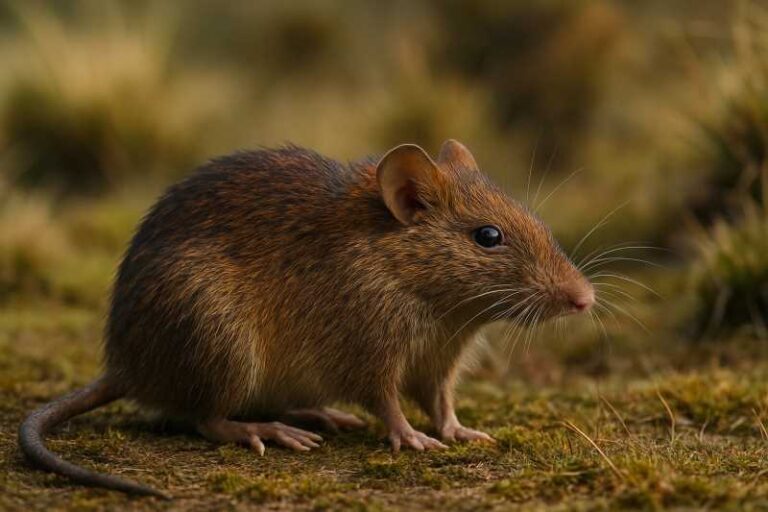
The fur of the Little Indochinese Field Rat is short and coarse, with a coloration that varies from grayish-brown to a more reddish-brown hue, providing excellent camouflage in its natural surroundings. The underbelly is generally lighter, often appearing white or pale gray. Its ears are large and prominent, offering acute hearing, while the eyes are dark and expressive, aiding in nocturnal activities.
Range and Habitat
The geographical range of the Little Indochinese Field Rat spans across several countries in Southeast Asia, including Vietnam, Laos, Thailand, and Cambodia. This species has adapted to a variety of habitats but is predominantly found in open fields and agricultural lands, such as rice paddies, which are abundant in these regions.
Apart from agricultural areas, the Little Indochinese Field Rat is also found in secondary forests and grasslands. It is highly adaptable and can survive in both dry and wet environments, although it shows a preference for areas with abundant vegetation that provides cover from predators. Its presence in agricultural areas often brings it into conflict with human activities, as it is known to feed on crops.
Behavior and Diet
The Little Indochinese Field Rat is predominantly nocturnal, meaning it is most active during the night. This behavior helps it avoid many of its natural predators. It is a social species, often found in small groups, which enhances its chances of survival by providing protection and facilitating foraging.
In terms of diet, the Little Indochinese Field Rat is an omnivore, feeding on a wide range of food sources. Its diet primarily consists of seeds, grains, and fruits, but it is also known to consume insects and small invertebrates when available. This dietary flexibility allows it to thrive in various environments, from lush forests to cultivated fields.
Identification Tips (Field Recognition Cues)
Identifying the Little Indochinese Field Rat in the field requires attention to several key characteristics:
- Size and Proportions: Look for a small to medium-sized rodent with a body length of 10 to 15 centimeters and a tail longer than the body.
- Fur and Coloration: Note the short, coarse fur with a grayish to reddish-brown hue and a lighter underbelly.
- Ears and Eyes: Large, prominent ears and dark eyes are distinctive features.
- Environment: Consider the habitat; this species is commonly found in fields, grasslands, and agricultural areas.
Conservation Status (with Threats and Protections)
The Little Indochinese Field Rat is currently not listed as endangered or vulnerable on a global scale. However, its populations are affected by several threats, primarily habitat loss due to agricultural expansion and urban development. Additionally, as a species that often inhabits agricultural areas, it faces threats from pest control measures, including poisoning and trapping.
Conservation efforts for the Little Indochinese Field Rat include habitat protection and management strategies that promote sustainable agriculture. By maintaining healthy ecosystems and reducing the use of harmful pesticides, we can help preserve this species and its role in the environment.
Frequently Asked Questions
1. What is the primary diet of the Little Indochinese Field Rat?
The Little Indochinese Field Rat is an omnivore, primarily feeding on seeds, grains, and fruits, but it also consumes insects and small invertebrates when available.
2. Where can the Little Indochinese Field Rat be found?
This species is native to Southeast Asia, specifically found in countries like Vietnam, Laos, Thailand, and Cambodia, often inhabiting open fields and agricultural lands.
3. How can you identify a Little Indochinese Field Rat?
Key identifiers include its small to medium size, long tail, short coarse fur with a grayish to reddish-brown color, large ears, and dark eyes.
4. Is the Little Indochinese Field Rat endangered?
Currently, it is not listed as endangered globally, but it faces threats from habitat loss and pest control measures in agricultural areas.
5. What time of day is the Little Indochinese Field Rat most active?
This species is predominantly nocturnal, meaning it is most active during the night, which helps it avoid many predators.
Related posts