Medog White-toothed Shrew (Crocidura medogensis): A Comprehensive Overview
Introduction
The Medog White-toothed Shrew, scientifically known as Crocidura medogensis, is a small mammalian species found in the lush, biodiverse regions of Southeast Tibet. Renowned for its elusive nature and unique adaptations, this shrew is a subject of interest for both scientific research and conservation efforts. This article delves into the various aspects of the Medog White-toothed Shrew, covering its physical characteristics, habitat, behavior, and more, while also addressing its conservation status and the challenges it faces in the wild.
Physical Description
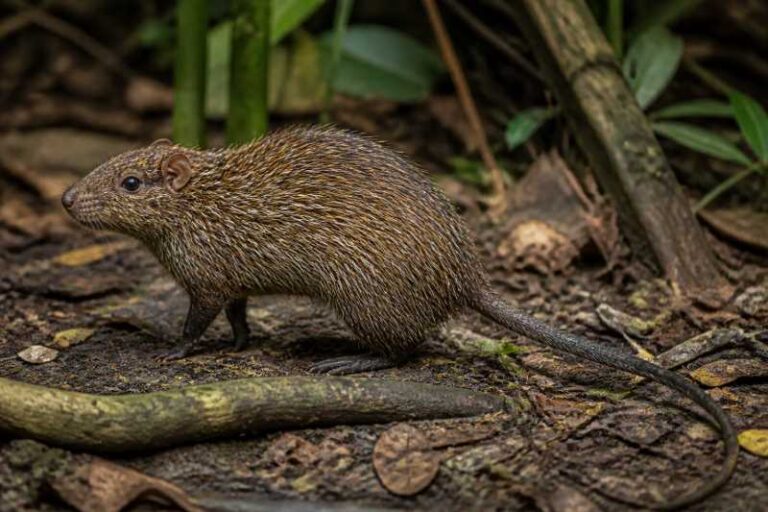
The Medog White-toothed Shrew is a diminutive creature, characterized by its slender body and distinct white teeth, from which its name is derived. Typically measuring between 50 to 70 millimeters in body length, with a tail that adds another 40 to 50 millimeters, this shrew is adept at navigating through its habitat. Its fur is generally dark grey or brown, providing effective camouflage against the forest floor. The shrew’s pointed snout and small, sharp eyes are adapted for its insectivorous diet, while its keen sense of smell aids in hunting prey.
Range and Habitat
The Medog White-toothed Shrew is endemic to the Medog region in Tibet, an area known for its rich biodiversity and dense forest cover. This region is characterized by a subtropical climate, with high humidity and significant rainfall, creating an ideal environment for the shrew. The shrew thrives in the undergrowth of these forests, often found in areas with abundant leaf litter and fallen logs, which provide both shelter and food sources. Despite the limited range, the Medog White-toothed Shrew plays a crucial role in the ecosystem, contributing to insect population control and soil aeration.
Behavior and Diet
Primarily nocturnal, the Medog White-toothed Shrew is most active during the cooler parts of the day, using its acute senses to forage for food. Its diet consists mainly of insects, worms, and other small invertebrates, which it hunts with remarkable efficiency. The shrew’s behavior is largely solitary, with individuals maintaining small territories that they defend vigorously. During the breeding season, however, these shrews may come together briefly for mating. Little is known about their social structures, but ongoing research aims to uncover more about their reproductive habits and lifecycle.
Identification Tips (Field Recognition Cues)
Recognizing the Medog White-toothed Shrew in the field can be challenging due to its small size and secretive nature. However, a few key features can aid in identification:
- Body Size: Look for a small mammal with a body length of 50-70mm.
- Coloration: Observe the coloration; typically dark grey or brown fur.
- Teeth: If visible, note the distinctive white teeth, which are unique among shrews.
- Habitat: Focus on forested areas with dense undergrowth and leaf litter.
- Behavior: Watch for rapid, darting movements often associated with foraging.
Conservation Status (with threats and protections)
Currently, the Medog White-toothed Shrew is classified as "Data Deficient" by the IUCN Red List, indicating that there is insufficient information to make a direct assessment of its risk of extinction. However, habitat destruction poses a significant threat to its population. Deforestation and land conversion for agriculture are primary concerns, leading to habitat fragmentation and loss.
Efforts to protect the Medog White-toothed Shrew focus on preserving its natural habitat through conservation initiatives and sustainable land-use practices. Research is also vital, as increased understanding of the species’ ecology could inform more effective conservation strategies.
Frequently Asked Questions
What is the primary diet of the Medog White-toothed Shrew?
The Medog White-toothed Shrew primarily feeds on insects, worms, and small invertebrates, using its keen senses to locate prey in the dense forest undergrowth.
Where can the Medog White-toothed Shrew be found?
This shrew is endemic to the Medog region in Southeast Tibet, thriving in subtropical, forested habitats with high humidity and abundant leaf litter.
Why is the Medog White-toothed Shrew considered "Data Deficient"?
The "Data Deficient" status reflects the lack of comprehensive data on the species’ population size, distribution, and ecological needs, making it challenging to assess its conservation status accurately.
How can I identify a Medog White-toothed Shrew in the wild?
Look for a small, dark grey or brown mammal with a body length of 50-70mm, a distinct pointed snout, and white teeth. Its rapid, darting movements in forested areas can also be a clue.
What are the main threats to the Medog White-toothed Shrew?
The primary threats include habitat destruction due to deforestation and land conversion for agriculture, leading to habitat fragmentation and loss.
Related posts