Introduction
The Zanj Sun Squirrel (Heliosciurus undulatus) is a captivating rodent species that belongs to the family Sciuridae. Known for its vibrant coloration and energetic behavior, this squirrel is not only a fascinating subject for wildlife enthusiasts but also plays a crucial role in its ecosystem. Native to the eastern African regions, the Zanj Sun Squirrel has been a subject of study for its unique adaptations and behaviors. In this comprehensive article, we will delve into the physical characteristics, habitat preferences, dietary habits, and conservation status of the Zanj Sun Squirrel, providing valuable insights for researchers, conservationists, and nature lovers alike.
Physical Description
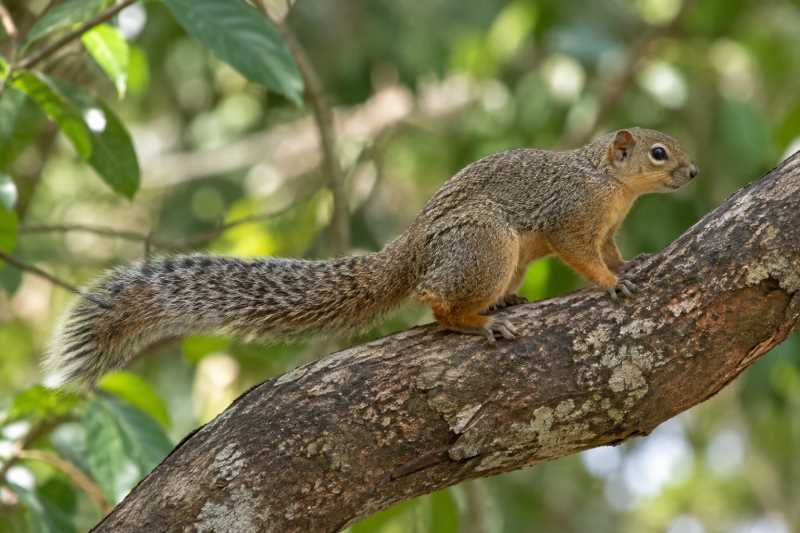
The Zanj Sun Squirrel is recognized for its striking appearance. Adult squirrels typically measure between 30 to 40 centimeters in length, including their bushy tails which account for nearly half of their total length. The fur of the Zanj Sun Squirrel is a distinctive blend of grays, browns, and tans, often featuring a subtle undulating pattern that provides camouflage against the forest floor and tree bark. This coloration is not only aesthetically pleasing but also serves as a vital adaptation for avoiding predators.
Their large, expressive eyes are well-adapted for keen vision, crucial for detecting both predators and food sources. The ears of the Zanj Sun Squirrel are small and rounded, often hidden within the fur, adding to their streamlined appearance. The limbs are strong and agile, equipped with sharp claws that aid in climbing and foraging.
Range and Habitat
The Zanj Sun Squirrel is predominantly found in the eastern regions of Africa, including countries like Kenya, Tanzania, and parts of Mozambique. They inhabit a variety of forested environments, from coastal woodlands to montane forests. These squirrels demonstrate a preference for areas that provide ample tree cover, which offers both food resources and protection from predators.
Their adaptability to different forest types showcases their ecological versatility. However, they are most commonly associated with areas that have a diverse array of fruiting trees, as these are critical components of their diet.
Behavior and Diet
Zanj Sun Squirrels are diurnal, meaning they are active during the day. Their behavior is characterized by a high level of energy and agility, often seen darting through the trees or scampering across the forest floor. They are primarily arboreal but will descend to the ground to forage for food.
Their diet is omnivorous, consisting of fruits, nuts, seeds, and occasionally insects. This diverse diet helps them to thrive in varied environments, though they show a marked preference for areas where fruiting trees are abundant. Their foraging behavior also plays a role in seed dispersal, contributing to forest regeneration and biodiversity.
Identification Tips (Field Recognition Cues)
Identifying the Zanj Sun Squirrel in the wild requires attention to several key features:
- Fur Pattern and Coloration: Look for the characteristic undulating pattern on their fur, which is a mix of grays, browns, and tans.
- Tail: Their bushy tail is often held over their back and is almost as long as their body, a useful trait for balance and thermoregulation.
- Size: They are medium-sized squirrels, larger than chipmunks but smaller than the commonly known gray squirrel.
- Behavior: Active during daylight, their quick, agile movements in trees are a good indicator of their presence.
Conservation Status (with Threats and Protections)
The Zanj Sun Squirrel is currently classified as Least Concern on the IUCN Red List, indicating that it is not at immediate risk of extinction. However, like many wildlife species, it faces several threats primarily due to human activities.
Threats:
- Habitat Destruction: Deforestation for agriculture and urban development is a significant threat, reducing the available habitat for these squirrels.
- Climate Change: Alterations in climate patterns can affect food availability and habitat conditions.
Protections:
- Protected Areas: Many of their habitats fall within protected national parks and reserves, which help mitigate the impact of human activities.
- Conservation Programs: Initiatives aimed at preserving forest habitats indirectly benefit the Zanj Sun Squirrel by maintaining the ecological balance of these environments.
Frequently Asked Questions
1. What does the Zanj Sun Squirrel eat in the wild? The Zanj Sun Squirrel primarily feeds on fruits, nuts, seeds, and occasionally insects. Their diet is varied, which allows them to adapt to different habitats and food availability.
2. Where can I see the Zanj Sun Squirrel in its natural habitat? You can observe the Zanj Sun Squirrel in forested regions of eastern Africa, particularly in Kenya, Tanzania, and Mozambique, often in areas with dense tree cover and fruiting trees.
3. How does the Zanj Sun Squirrel contribute to its ecosystem? The Zanj Sun Squirrel plays a vital role in seed dispersal, helping to maintain forest biodiversity and facilitate natural regeneration processes.
4. Are Zanj Sun Squirrels endangered? No, the Zanj Sun Squirrel is currently classified as Least Concern by the IUCN, though it faces threats from habitat destruction and climate change.
5. How can I help in the conservation of the Zanj Sun Squirrel? Supporting conservation programs that focus on habitat preservation and participating in initiatives that combat deforestation can aid in the protection of this species.
Related posts