The Enigmatic Chatham Islands Gerygone: A Jewel of the Pacific
The Chatham Islands Gerygone (Gerygone albofrontata), also known as the Chatham Island warbler, is a small but captivating songbird native to the remote Chatham Islands of New Zealand. This elusive bird is part of the Acanthizidae family, a group known for their small size and melodious songs. The Chatham Islands Gerygone is a testament to the unique biodiversity that has evolved in isolation on these islands, offering a fascinating glimpse into the complexities of island ecosystems.
A Distinctive Resident of the Chatham Islands
The Chatham Islands, located approximately 800 kilometers east of New Zealand’s South Island, are a treasure trove of endemic species. Like many island ecosystems, the flora and fauna have evolved in isolation, leading to the development of unique species such as the Chatham Islands Gerygone. This bird is particularly notable for its small size, measuring just 10-12 centimeters in length.
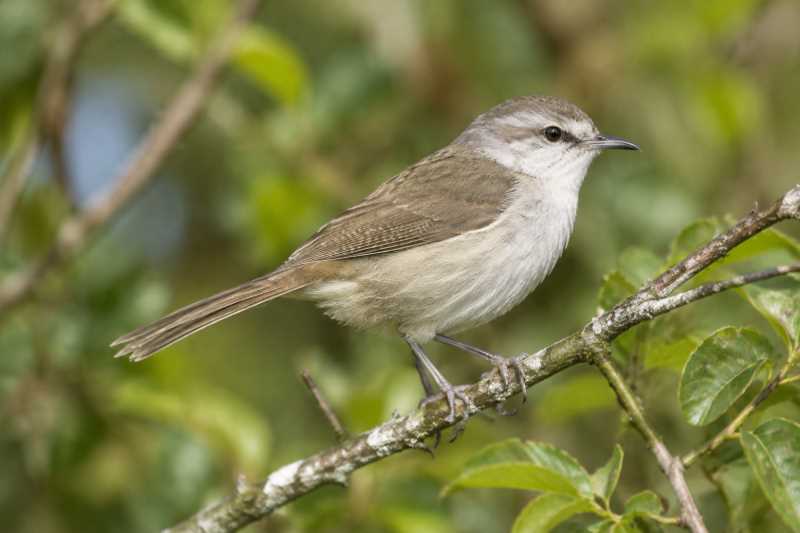
The Chatham Islands Gerygone is easily recognizable by its distinctive plumage. It features a soft grey-brown back, pale underparts, and a striking white forehead and eyebrow, which contrast sharply with its dark eye. This coloration provides excellent camouflage among the island’s dense shrubbery, allowing it to avoid predators and thrive in its natural habitat.
Habitat and Behavior
The natural habitat of the Chatham Islands Gerygone consists primarily of coastal forests, scrublands, and shrub-dominated landscapes. The bird is highly adaptable, thriving in a range of environments from dense forests to open scrubland. This adaptability is crucial for survival on the Chatham Islands, where environmental conditions can be harsh and resources scarce.
Gerygones are insectivorous, feeding primarily on small insects and spiders. They forage actively among the foliage, using their slender bills to probe for insects under leaves and bark. This feeding behavior not only sustains the birds but also plays a vital role in controlling insect populations, contributing to the ecological balance of their habitat.
In terms of behavior, the Chatham Islands Gerygone is known for its complex and melodious song, which is used by males to establish territory and attract mates. The song is a series of high-pitched notes that can be heard during the breeding season, echoing through the island’s forests and scrublands.
Reproduction and Lifespan
Breeding for the Chatham Islands Gerygone typically occurs between September and February, coinciding with the Southern Hemisphere’s spring and summer. During this period, males become particularly vocal, using their songs to court females and establish breeding territories.
Nest building is a collaborative effort between both male and female gerygones. They construct their nests using fine grasses, moss, and spider webs, creating a delicate, hanging structure often hidden in dense foliage. The female lays a clutch of two to four eggs, which are incubated for approximately 14-16 days. Both parents share the responsibilities of incubation and feeding the chicks, which fledge after about two weeks.
The lifespan of the Chatham Islands Gerygone is not well-documented, but it is believed to be similar to other small passerine birds, typically ranging from 5 to 10 years in the wild.
Conservation Status and Threats
The Chatham Islands Gerygone is currently classified as "Least Concern" by the International Union for Conservation of Nature (IUCN). However, like many island species, it faces threats from habitat loss, introduced predators, and climate change. The introduction of mammals such as rats and cats to the islands poses a significant threat, as these predators prey on eggs and young birds.
Conservation efforts are crucial to ensure the survival of this unique bird species. Habitat restoration and predator control programs are essential strategies being implemented to protect the Chatham Islands Gerygone and other endemic species. Conservationists are also working to raise awareness about the importance of preserving the unique biodiversity of the Chatham Islands.
The Importance of the Chatham Islands Gerygone
The Chatham Islands Gerygone is more than just a bird; it is a symbol of the unique biodiversity that island ecosystems can foster. Its presence is a reminder of the delicate balance that exists in nature and the importance of conserving these environments for future generations.
Studying the Chatham Islands Gerygone provides valuable insights into the processes of evolution and adaptation. As one of the few species endemic to the Chatham Islands, it offers a window into the evolutionary history of the region and the complex interactions within island ecosystems.
In conclusion, the Chatham Islands Gerygone is a remarkable example of the diversity and adaptability of life in isolated environments. Its survival is intricately linked to the health of its habitat, highlighting the need for continued conservation efforts. Protecting this small songbird is not only crucial for maintaining the ecological integrity of the Chatham Islands but also for preserving a unique piece of the world’s natural heritage.
Related posts