Introduction
The Western Black-handed Tamarin (Saguinus niger) is a captivating primate species that inhabits the lush tropical forests of South America. Known for its striking appearance and social behavior, this small New World monkey plays a critical role in its ecosystem. Its presence in the wild is a testament to the rich biodiversity of the Amazon Basin. In this comprehensive article, we will explore the various aspects of the Western Black-handed Tamarin, from its physical characteristics to its behavior and conservation status.
Physical Description
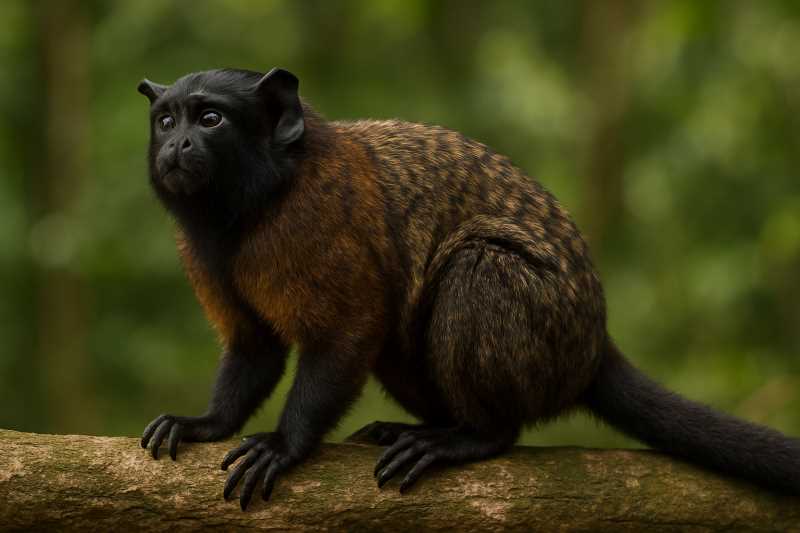
The Western Black-handed Tamarin is a small, agile primate characterized by its distinctive black hands and feet, which contrast sharply with its otherwise dark fur. This species exhibits sexual dimorphism, with males typically being slightly larger than females. Adult tamarins weigh between 400 to 550 grams and measure approximately 20 to 28 centimeters in body length, with an equally long tail that aids in balance and navigation through the treetops.
Their fur is predominantly black or dark brown, with subtle golden or reddish hues on their backs and limbs. Their faces are expressive, with bare, dark skin and pronounced white whiskers that give them a unique and endearing appearance. The Western Black-handed Tamarin’s sharp claws, unlike the flat nails of most primates, are adapted for climbing and foraging.
Range and Habitat
The Western Black-handed Tamarin is endemic to the Amazon rainforest, primarily found in the regions of northern Brazil, particularly in the states of Pará and Amazonas. These tamarins inhabit tropical rainforests, thriving in both primary and secondary forests, as well as in areas of forest regrowth. They prefer the mid to upper canopy levels, where they can efficiently forage for food and evade ground-dwelling predators.
This species is highly adaptable and can survive in fragmented habitats, although their population density tends to decrease significantly in areas heavily impacted by human activities such as deforestation and agriculture.
Behavior and Diet
Western Black-handed Tamarins are diurnal and arboreal, spending the majority of their time in the trees. They live in social groups typically composed of 2 to 8 individuals, featuring a dominant breeding pair and their offspring. These groups are territorial, communicating through vocalizations, scent marking, and physical displays to establish dominance and maintain social harmony.
Their diet is omnivorous, consisting primarily of fruits, insects, small vertebrates, and plant exudates such as gum and sap. Seasonal variations in food availability influence their foraging behavior and territorial range. The tamarins play a crucial role in seed dispersal, contributing to forest regeneration and biodiversity.
Identification Tips (Field Recognition Cues)
Identifying the Western Black-handed Tamarin in its natural habitat can be challenging due to its small size and the dense forest canopy. However, there are several key features to look for:
- Black Hands and Feet: The most distinctive feature, these appendages make them easily distinguishable from other tamarin species.
- Vocalizations: Listen for their high-pitched whistles and chirps used for communication within groups.
- Social Behavior: Look for groups moving through the trees, as they rarely venture alone.
- Tail Movement: Watch for their long tails used for balance and communication.
Conservation Status (with Threats and Protections)
The Western Black-handed Tamarin is currently classified as Least Concern by the International Union for Conservation of Nature (IUCN). Despite this seemingly favorable status, they face significant threats from habitat destruction due to deforestation, logging, and agriculture. Additionally, they are occasionally hunted for the illegal pet trade.
Conservation efforts are underway to protect their natural habitats through the establishment of protected areas and reserves. Environmental organizations are also working to raise awareness about the importance of biodiversity and the ecological role of tamarins.
Frequently Asked Questions
1. Where can I see a Western Black-handed Tamarin in the wild?
To observe these tamarins in their natural habitat, you should visit the Amazon rainforest regions in northern Brazil, particularly in the states of Pará and Amazonas. Guided tours and eco-lodges offer opportunities to see these primates in the wild.
2. What do Western Black-handed Tamarins eat?
Their diet is diverse and includes fruits, insects, small vertebrates, and plant exudates. They are opportunistic feeders and their diet varies seasonally based on availability.
3. Are Western Black-handed Tamarins endangered?
Currently, they are not classified as endangered. However, they are vulnerable to habitat loss and other human-induced threats. Conservation efforts are essential to ensure their long-term survival.
4. How do Western Black-handed Tamarins communicate?
They use a combination of vocalizations, scent marking, and body language to communicate within their social groups and establish territory.
5. Why are Western Black-handed Tamarins important to the ecosystem?
They play a vital role in seed dispersal, which helps maintain the health and diversity of the forest ecosystem. Their presence is an indicator of a healthy, functioning tropical rainforest.
Related posts