The Dusky-throated Antshrike: A Deep Dive into Its World
The Dusky-throated Antshrike (Thamnomanes ardesiacus) is a captivating bird species nestled within the dense tropical forests of South America. Known for its distinctive vocalizations and unique social behaviors, this bird plays a crucial role in the intricate ecosystem of its habitat. In this article, we explore the various facets of the Dusky-throated Antshrike, from its physical attributes and habitat to its behavior and ecological significance.
Physical Characteristics
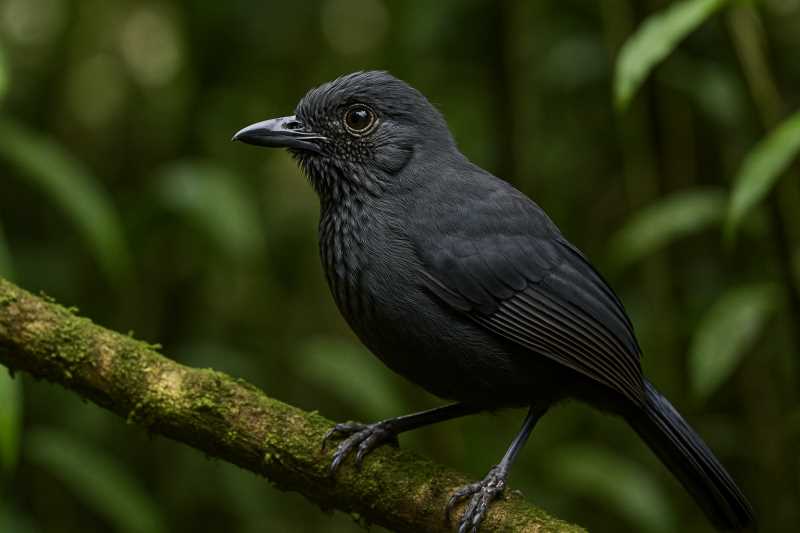
The Dusky-throated Antshrike is a medium-sized bird, measuring approximately 15 centimeters in length and weighing around 20 grams. Its plumage is predominantly slate gray, providing excellent camouflage against the forest floor and dense foliage. The bird’s name is derived from its dusky-colored throat, a feature that distinguishes it from other antshrike species. Males and females exhibit similar plumage, making it challenging to differentiate between the sexes based purely on appearance.
One of the most striking features of the Dusky-throated Antshrike is its large, hooked bill, which is perfectly adapted for its insectivorous diet. Its eyes are dark and beady, providing excellent vision for spotting prey in the dimly lit understorey of the forest.
Habitat and Distribution
The Dusky-throated Antshrike is primarily found in the lowland tropical forests of the Amazon Basin, spanning across countries like Brazil, Colombia, Ecuador, Peru, and Bolivia. These birds are residents of the forest’s midstory and understory, preferring areas with dense tangles of vines and foliage. Such habitats not only provide ample food resources but also offer protection from predators.
These antshrikes are non-migratory, maintaining a relatively stable home range throughout the year. The preservation of their habitat is crucial, as deforestation and habitat fragmentation pose significant threats to their populations.
Behavior and Social Structure
Dusky-throated Antshrikes are social birds, often found in mixed-species foraging flocks. These flocks can include a variety of other insectivorous birds, enhancing foraging efficiency and offering protection from predators. The antshrikes play a pivotal role in these flocks, often acting as sentinels by giving alarm calls when predators are nearby.
Their vocalizations are a key component of their behavior, with distinct calls used to communicate with flock members and warn of potential threats. The typical call of a Dusky-throated Antshrike is a series of sharp, repetitive notes, which can be heard echoing through the forest.
Breeding pairs of Dusky-throated Antshrikes are monogamous, with both males and females participating in nest construction and chick rearing. Nests are typically built in low shrubs or trees and consist of a loose cup of twigs and leaves.
Diet and Feeding
The diet of the Dusky-throated Antshrike primarily consists of insects and other small arthropods. They are adept at gleaning prey from foliage and branches, using their strong bills to capture and crush their food. Ants, beetles, and spiders are among their favored prey items.
In mixed-species flocks, these antshrikes often follow army ant swarms, taking advantage of the insects flushed out by the ants. This behavior not only provides a reliable food source but also highlights the complex interspecies interactions within the forest ecosystem.
Conservation Status
Currently, the Dusky-throated Antshrike is listed as a species of “Least Concern” by the International Union for Conservation of Nature (IUCN). However, this does not mean the species is free from threats. Habitat destruction, primarily due to logging and agricultural expansion, poses ongoing risks to their populations.
Conservation efforts aimed at preserving tropical forest habitats are crucial for the long-term survival of the Dusky-throated Antshrike. Protected areas and sustainable land-use practices are essential strategies for mitigating habitat loss and ensuring the species’ continued existence.
Conclusion
The Dusky-throated Antshrike is a fascinating example of the rich biodiversity found within the Amazon rainforest. Its unique behaviors and ecological role underscore the importance of conserving its habitat. As we continue to learn more about this species, it serves as a reminder of the intricate web of life that thrives in the world’s tropical forests and the need to protect these vital ecosystems for future generations.
Through understanding and conservation, we can ensure that the Dusky-throated Antshrike continues to be a vibrant part of its natural environment, contributing to the ecological balance and inspiring awe in all who have the privilege to observe it.
Related posts